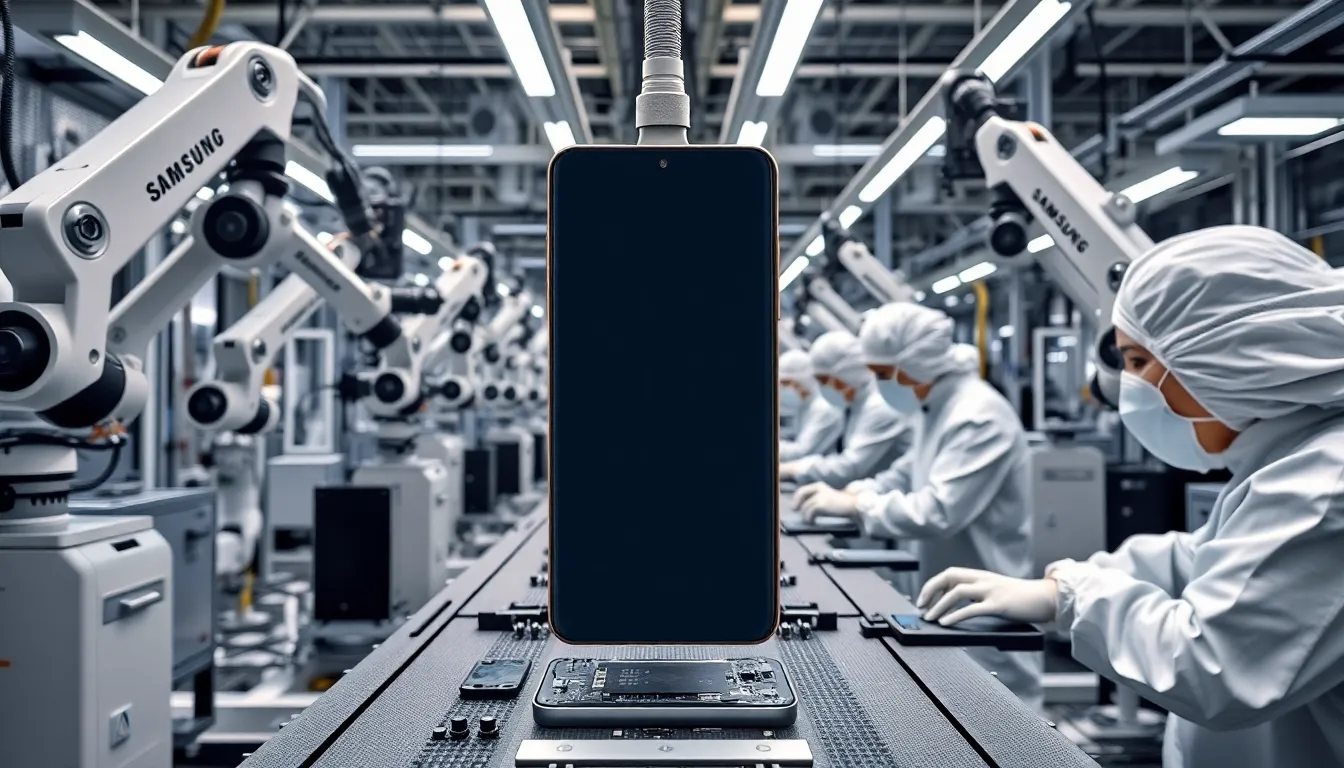
Samsung to Manufacture Galaxy S26 Series in India, Expanding Local Production
Samsung has announced that it will manufacture its latest flagship smartphone series, the Galaxy S26, in India. This move underscores the company's commitment to local production and highlights the significant role of its Indian research and development centers in the device's development.
Manufacturing Expansion to Noida
The Galaxy S26, Galaxy S26+, and Galaxy S26 Ultra will be produced at Samsung's smartphone factory in Noida, India. Noida is home to Samsung's largest smartphone manufacturing facility globally, complementing its existing plants in South Korea and Vietnam. While the exact start date for production in India has not been disclosed, it is expected to commence shortly following the series' recent launch and pre-order availability.
This decision aligns with Samsung's strategy to enhance its manufacturing footprint in key markets. The company has already begun delivering pre-ordered units to customers in India ahead of schedule, indicating robust logistics and supply chain readiness for the new series.
Indian R&D Contributions
Engineers from Samsung's research and development centers in Bengaluru and Noida played a pivotal role in developing the Galaxy S26 series. According to a senior company executive, features and technologies crafted by these teams were integral to the flagship's innovation. JB Park, President and CEO of Samsung Southwest Asia, emphasized the pride in this collaboration, stating that the local R&D efforts have directly influenced the series' development, now culminating in its production within India.
This integration of local expertise into global product lines reflects Samsung's investment in India's tech ecosystem, leveraging the country's talent pool for cutting-edge smartphone advancements.
Strategic Implications
Manufacturing the Galaxy S26 series in India may offer several benefits, including reduced import costs, faster market responsiveness, and alignment with government initiatives promoting local manufacturing. It also positions Samsung to better compete in one of the world's largest smartphone markets, where demand for premium devices continues to grow.
The move follows a trend of global tech companies localizing production in India to tap into its manufacturing incentives and vast consumer base. For Samsung, this reinforces its long-standing presence in the country, where it has operated for decades across various sectors.
Conclusion
Samsung's decision to manufacture the Galaxy S26 series in India marks a significant step in its production strategy, blending local innovation with global scale. By leveraging its Noida factory and Indian R&D centers, the company not only streamlines its supply chain but also highlights the growing importance of India in the global tech landscape. As production ramps up, consumers can expect enhanced availability and potentially more tailored offerings for the Indian market, solidifying Samsung's commitment to regional growth and technological collaboration.