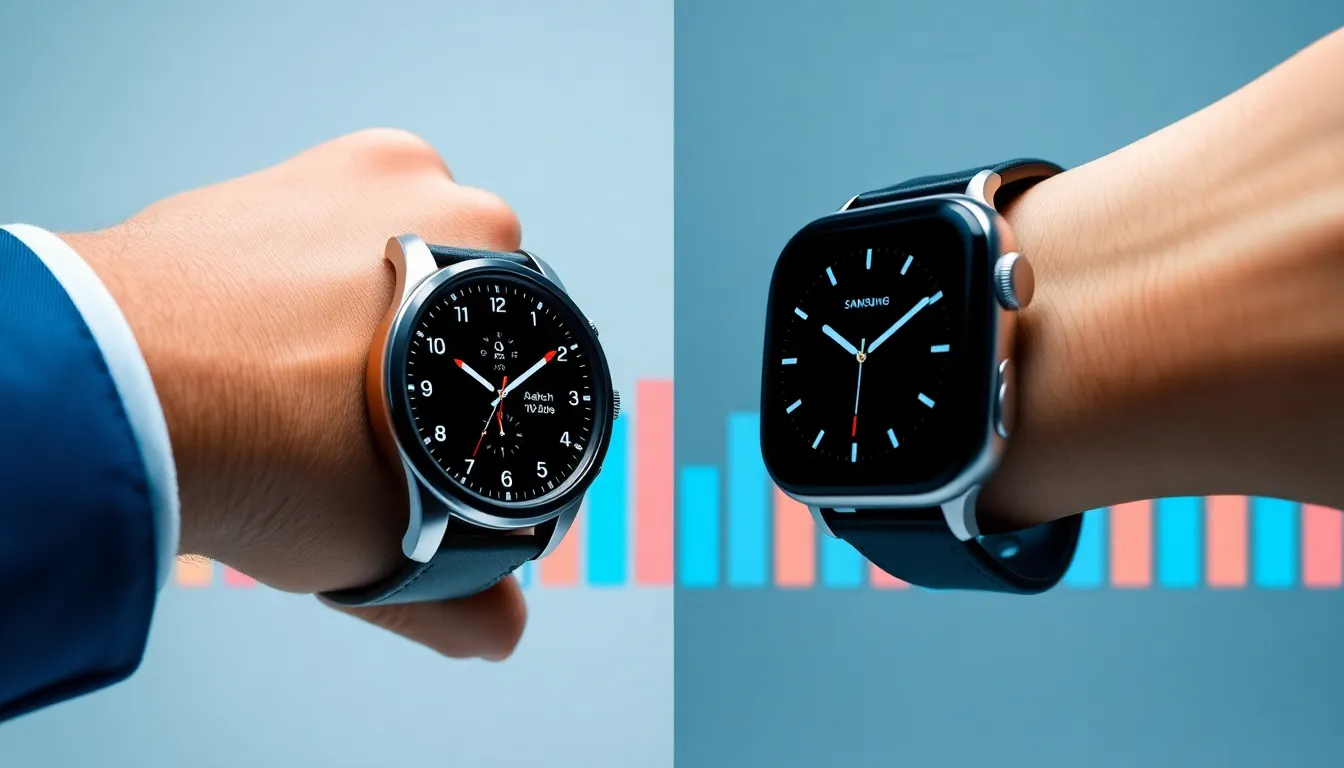
Samsung Smartwatch Sales Trail Apple by Half in 2025 Market Report
The global smartwatch market continues to see intense competition, with recent data highlighting a significant sales gap between two of the industry's leading smartphone manufacturers. While Samsung maintains its position as the world's top smartphone brand, its performance in the wearable segment tells a different story for 2025.
Market Share and Sales Figures
According to market research data for the first three quarters of 2025, Samsung sold approximately 11.8 million units from its Galaxy Fit and Galaxy Watch series. This represents a modest 1.5% increase compared to the same period in 2024. In contrast, Apple sold around 27.9 million Apple Watch units during the same timeframe, marking a substantial 23.9% year-over-year growth. This places Samsung's smartwatch sales at roughly half of Apple's volume for the reported period.
The overall market for fitness trackers and smartwatches was led by Huawei, which sold 28.6 million units, followed closely by Xiaomi with 27.9 million units. Apple ranked third in the combined category, while Samsung's sales placed it further down the list.
Launch Impact and Quarterly Performance
Samsung's sales trajectory showed improvement following the mid-2025 launch of its new wearable lineup, which included the Galaxy Watch 8, Galaxy Watch 8 Classic, and the Galaxy Watch Ultra. The data indicates that sales were lagging in the first two quarters compared to 2024, but the new releases helped the company post slightly higher overall numbers for the nine-month period.
The company's strategy of refreshing its smartwatch portfolio appears to have provided a necessary boost, though not enough to close the considerable gap with its main rival in the premium smartwatch segment.
Future Outlook and Industry Context
Looking ahead, Samsung is reportedly planning to launch the Galaxy Watch 9 and a Galaxy Watch Ultra 2 in mid-2026. Industry rumors suggest these future models may incorporate advanced battery technology, such as solid-state batteries, which could offer improvements in safety, capacity, and charging speed.
The smartwatch market remains dynamic, with competition extending beyond traditional tech giants to include specialized fitness brands and other smartphone manufacturers. While Samsung has demonstrated its ability to innovate in the smartphone space, translating that success to wearables presents an ongoing challenge in a market where Apple has established strong brand loyalty and ecosystem integration.
Conclusion
The 2025 sales data underscores the competitive landscape of the smartwatch market, where Samsung faces an uphill battle against Apple's dominant position. Despite launching three new models and achieving slight year-over-year growth, Samsung's sales volume remains approximately half that of its chief competitor. As both companies prepare their next-generation wearables, the focus will likely be on technological differentiation, ecosystem development, and capturing market share in an increasingly saturated segment. The coming year will reveal whether Samsung's upcoming releases can meaningfully alter this competitive dynamic.