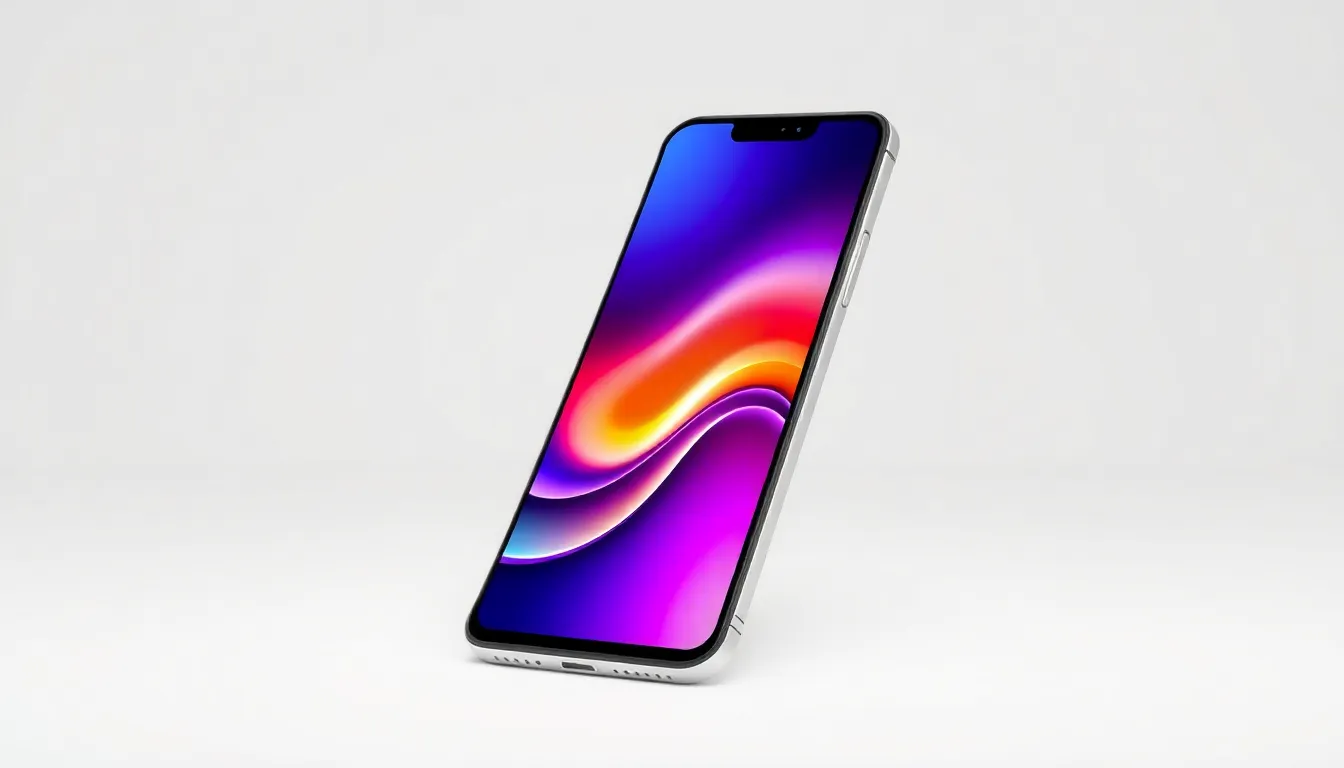
Samsung Secures Major OLED Panel Supply Deal for Apple's iPhone 17e
In a significant development for the smartphone supply chain, Samsung Display is poised to supply millions of OLED panels for Apple's newly announced iPhone 17e, reinforcing its position as a key component supplier in the competitive tech industry.
Supply Chain Dynamics and Market Share
Reports indicate that Samsung Display has secured the largest share of OLED panel supply for the iPhone 17e, Apple's latest entry-level smartphone. This follows a similar pattern from the previous model, the iPhone 16e, where Samsung reportedly supplied 11 million panels, accounting for 50% of the total volume. LG Display and BOE contributed 7.5 million and 3.5 million panels, respectively, and a comparable structure is expected for the iPhone 17e.
This arrangement highlights Apple's ongoing reliance on Samsung for high-quality OLED displays, despite past efforts to diversify its supplier base. A few years ago, Apple attempted to increase BOE's share to reduce dependency on Samsung, but quality issues led to a reversal, with Samsung's role expanding instead.
iPhone 17e Specifications and Features
The iPhone 17e, announced recently, features a 6.1-inch OLED panel with a 60Hz refresh rate and 1,200 nits of peak brightness, designed to offer a balance of performance and affordability. Key specifications include:
- Processor: 3nm A19 chip
- RAM: 8GB
- Cameras: 12MP front-facing and 48MP rear with OIS
- Storage: 256GB version priced at $599 in the USA
This configuration positions the iPhone 17e as a mid-range option, offering faster performance and features like Emergency SOS and wireless charging, though it compromises on aspects such as display fluidity and battery size compared to some competitors.
Industry Implications and Future Outlook
The deal underscores Samsung Display's dominance in the OLED market and its critical role in Apple's supply chain for budget-friendly devices. As OLED technology becomes standard in smartphones, such partnerships are likely to influence pricing, innovation, and market competition. The continued collaboration between Samsung and Apple may drive advancements in display quality and cost-efficiency, benefiting consumers seeking affordable yet capable devices.
Note: This article is based on industry reports and does not represent official statements from the companies involved. Specifications and details are subject to change as more information becomes available.
Conclusion
Samsung Display's supply of millions of OLED panels for the iPhone 17e marks a pivotal moment in the tech industry, highlighting the intricate relationships between major manufacturers. As Apple expands its entry-level lineup, Samsung's expertise in OLED technology ensures reliable quality, shaping the future of affordable smartphones. This partnership not only benefits both companies but also sets a benchmark for display standards in the mid-range segment, promising enhanced user experiences in the years to come.