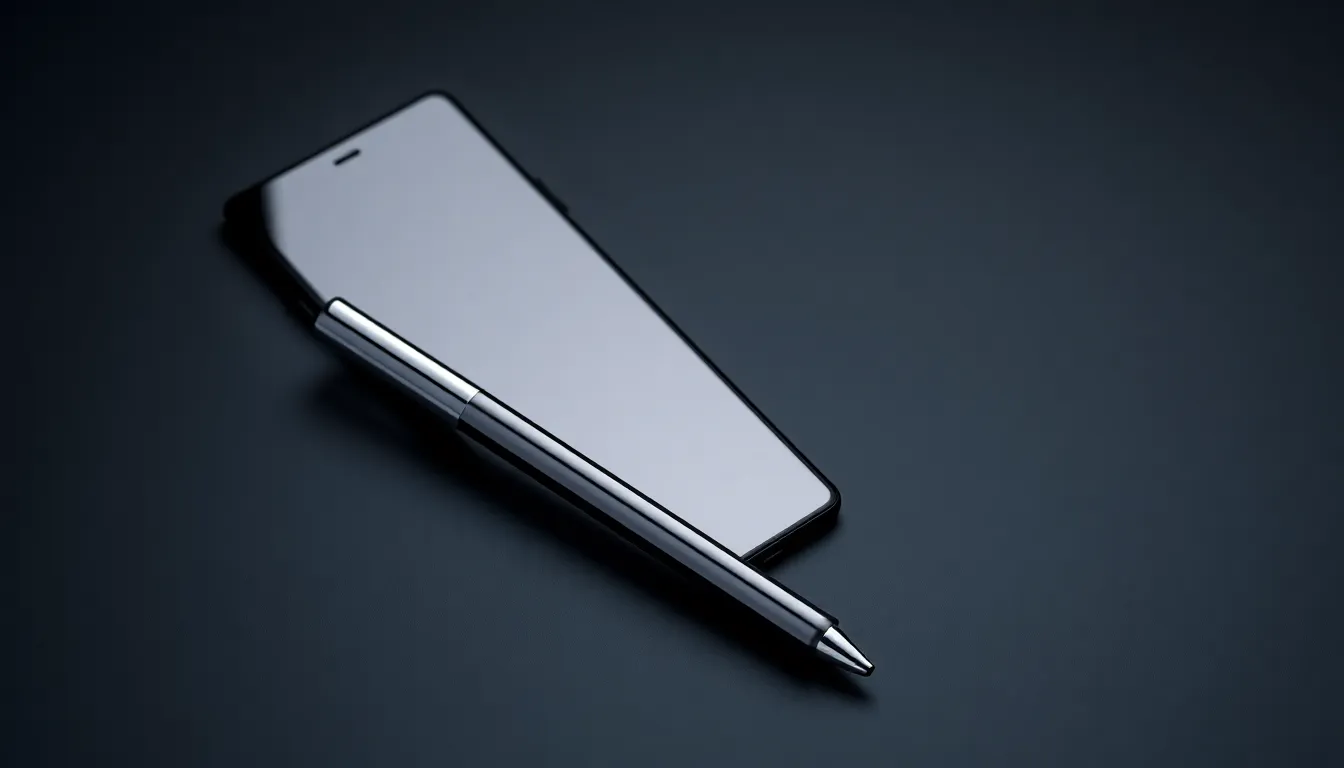
Samsung S26 Ultra S Pen Redesign: More Than Just Looks
The Galaxy S26 Ultra continues Samsung's tradition of integrating the S Pen into its flagship lineup, but the accessory's latest iteration brings design changes that extend beyond mere visual updates. While maintaining core functionality like low latency and omitting Bluetooth features, the S Pen's alterations influence how users interact with it daily, reflecting adjustments to accommodate the phone's evolving form factor.
A Tapered Clicker That Demands Attention
The most notable change is the S Pen's tapered clicker button, which now follows the curvature of the phone's frame, resulting in one end being thinner than the other. This redesign introduces a specific orientation requirement for inserting the S Pen into its holster—the thinner part of the clicker must face outward toward the phone's edge. While inserting it incorrectly won't cause it to get stuck, the clicker will protrude noticeably, serving as a visual cue to reorient it properly. This subtle yet impactful tweak marks the first time an S Pen has had a "correct" way to be stored, adding a layer of consideration for users accustomed to more forgiving designs.
Slimmer Design for a Thinner Phone
Beyond the clicker, the S Pen itself has been slimmed down, measuring 5.0 x 4.15mm compared to the S25 Ultra's 5.8 x 4.35mm. This reduction in size aligns with the Galaxy S26 Ultra's status as the thinnest Ultra model to date, with a chassis just 7.9mm thick. The S Pen's diet ensures it fits seamlessly within the phone's slimmer frame, though it may raise questions about ergonomics, given that previous models like the S Pen Pro were intentionally thicker for better handling. The move underscores Samsung's commitment to maintaining the S Pen's integration without compromising the phone's sleek profile.
Future-Proofing the Iconic Accessory
Despite these changes, the S Pen remains a core technology for Samsung, with ongoing development confirmed for future iterations. The redesign reflects a balance between aesthetic harmony with the phone and practical usability, ensuring the accessory evolves alongside the Ultra series. For long-time S Pen enthusiasts, these adjustments signal a thoughtful adaptation rather than a step backward, preserving the tool's functionality while aligning with modern design trends.
Conclusion
The Galaxy S26 Ultra's S Pen redesign demonstrates that even subtle modifications can have tangible effects on user experience. From the tapered clicker requiring mindful insertion to the slimmer build complementing the phone's thin frame, these changes highlight Samsung's attention to detail in integrating hardware and accessories. As the S Pen continues to evolve, it remains a defining feature of the Ultra lineup, blending tradition with innovation to meet the demands of contemporary smartphone design.