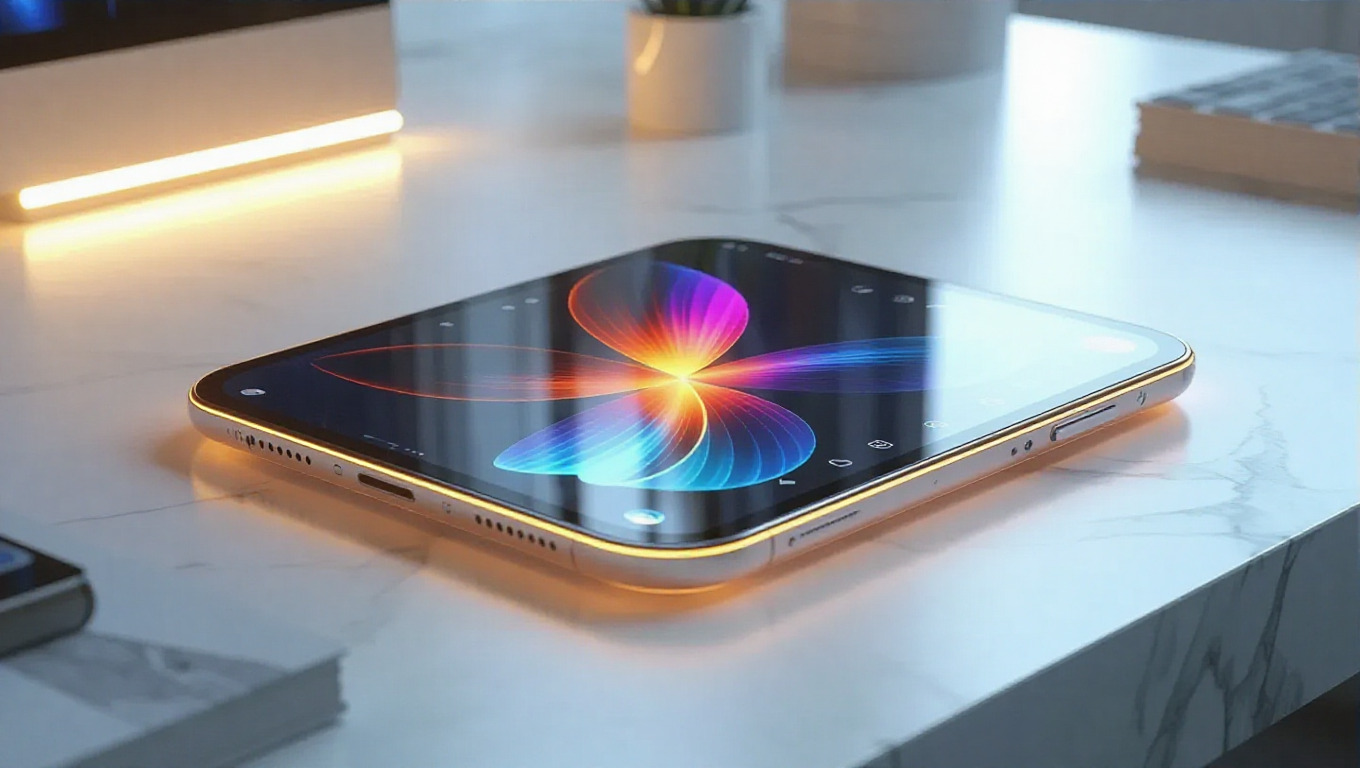
Samsung's Wider Galaxy Z Fold Model Emerges as Potential Rival to Foldable iPhone
The foldable smartphone market is poised for a significant evolution as Samsung prepares a strategic new entry. Following the successful refinement of its Galaxy Z Fold series, the company is reportedly developing a wider variant designed to launch in 2026, a move that appears timed to directly challenge Apple's anticipated entry into the foldable space.
A New Form Factor for a New Rivalry
Rumors suggest Samsung is working on a new Galaxy Z Fold model alongside the expected Galaxy Z Fold 8. This device, slated for a fall 2026 launch, is said to feature a "passport" style design with a 7.6-inch foldable main display and a 5.4-inch cover screen. Crucially, when opened, it would utilize a 4:3 screen aspect ratio, making it notably wider than previous Galaxy Z Fold iterations.
This development aligns with specifications circulating about Apple's first foldable iPhone, also rumored for 2026. That device is similarly expected to have a 7.58-inch foldable display and a 5.3-inch cover display, also with a 4:3 aspect ratio when unfolded. The potential similarity in screen sizes, ratios, and overall form factor sets the stage for a head-to-head competition between the two tech giants in a new product category.
Technical Speculations and Market Strategy
Beyond its form factor, the wider Galaxy Z Fold model is rumored to include advanced charging capabilities. It could feature 25W fast wireless charging and potentially become Samsung's first foldable to support the Qi2.2 standard with built-in magnets, a feature expected in the upcoming Galaxy S26 Ultra. This would address a common user desire for more convenient and faster charging solutions on premium devices.
Samsung's move to introduce a wider foldable appears to be a strategic effort to offer consumers more choice and preemptively compete in a segment where Apple is expected to make a major splash. The company has recently refined its flagship foldable, the Galaxy Z Fold 7, addressing previous concerns by making it the thinnest and lightest in its class, improving the primary camera, and minimizing the visibility of the screen crease.
Historical Context and Future Implications
The concept of a shorter, wider foldable isn't entirely new. Other manufacturers, like OPPO, initially launched models with similar "passport" form factors before later adopting a taller, narrower design more akin to Samsung's traditional Galaxy Z Fold look. Samsung's potential embrace of this wider format for a specific model suggests a calculated diversification of its foldable portfolio rather than a complete design shift.
By potentially launching a wider Galaxy Z Fold in the same year Apple enters the market, Samsung aims to solidify its position as the foldable market leader. It offers an alternative that matches the anticipated iPhone's form factor while leveraging Samsung's years of experience in foldable display technology, hinge design, and software optimization for large, flexible screens.
Conclusion
The rumored development of a wider Samsung Galaxy Z Fold model for 2026 highlights the intensifying competition in the high-end smartphone market. As Apple prepares its foldable iPhone, Samsung is not standing still. By potentially offering a device with a similar, more square-like aspect ratio, Samsung seeks to provide a direct alternative, ensuring consumers have a compelling Android option that matches the new form factor expected from its rival. This move underscores Samsung's commitment to innovation and market leadership in the foldable segment, setting the stage for one of the most intriguing tech showdowns of 2026.