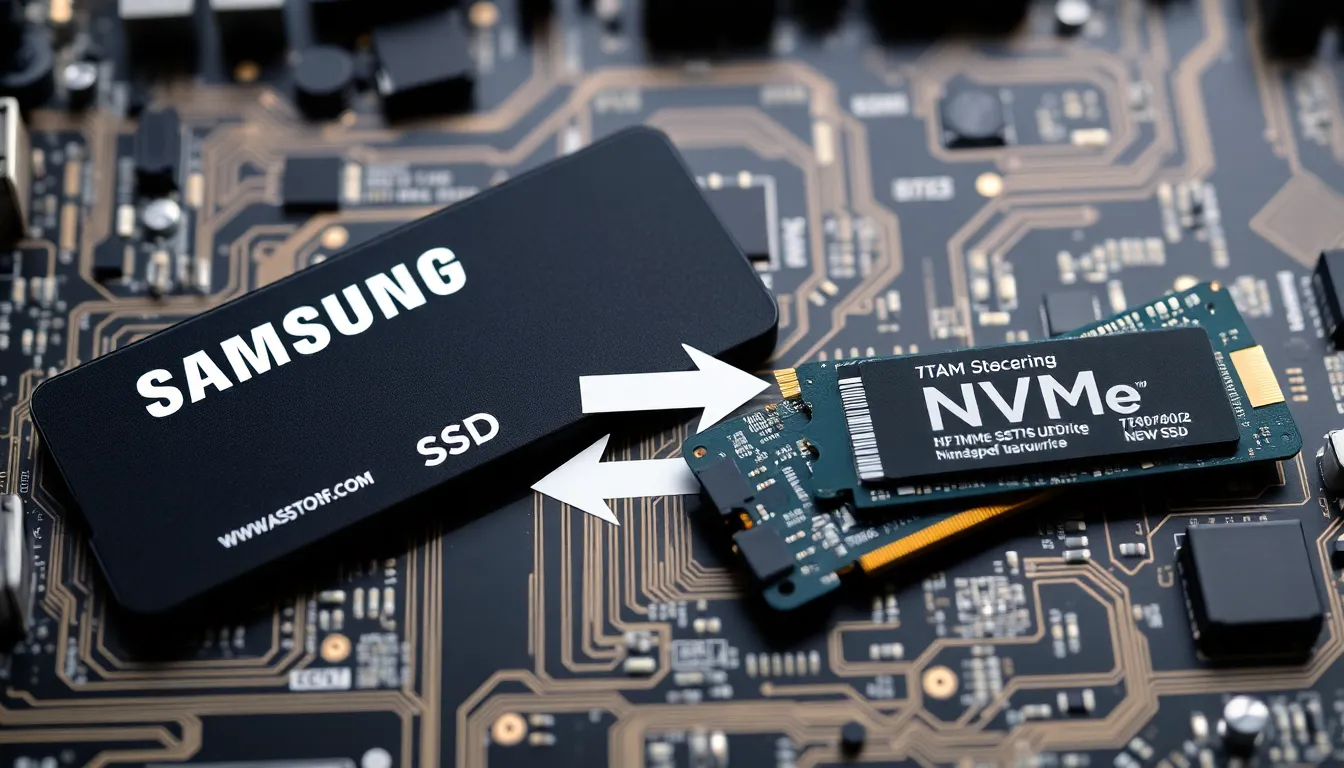
Samsung's SATA SSD Phase-Out Signals End of an Era for Budget Storage Upgrades
For nearly a decade, Samsung's 800 series SATA SSDs served as the universal solution for breathing new life into aging computers. From outdated laptops to budget gaming systems, swapping a traditional hard drive for one of these affordable solid-state drives provided the most cost-effective performance boost available. Now, that era appears to be coming to an end as Samsung shifts its focus away from consumer SATA storage.
The Changing Storage Landscape
Recent industry reports suggest Samsung is winding down production of consumer SATA-based SSDs, redirecting manufacturing capacity toward higher-margin NVMe drives and enterprise storage solutions. While the company has publicly denied plans to completely end SATA SSD production, market behavior indicates the interface is being gradually phased out from Samsung's consumer lineup.
This strategic shift reflects broader industry trends toward faster NVMe technology, which offers significantly higher speeds through direct PCIe connections rather than the SATA interface's limitations. However, the move away from SATA SSDs creates a significant gap in the market for affordable storage upgrades, particularly for older systems that lack NVMe compatibility.
Impact on Consumer Upgrades
The potential disappearance of Samsung's SATA SSDs from the consumer market represents more than just the loss of a specific product line—it signals the end of an accessible upgrade path for millions of computers. For years, these drives provided a straightforward, cost-effective way to extend the usable life of aging hardware, often delivering performance improvements that made systems feel brand new.
As one of the market leaders in SSD technology, Samsung's strategic decisions often influence broader industry trends. If other manufacturers follow suit in de-emphasizing SATA SSDs, consumers could face significantly higher costs for storage upgrades. The remaining SATA options may become more expensive as production volumes decrease, while the alternative—upgrading to NVMe—often requires newer hardware or additional adapters.
Looking Forward
The transition away from SATA SSDs highlights the accelerating pace of storage technology evolution. While NVMe drives offer undeniable performance advantages, their adoption requires compatible hardware that many existing systems lack. This creates a challenging situation for consumers with older computers who now face limited, potentially more expensive upgrade options.
Industry observers note that while Samsung's move aligns with technological progress, it leaves a significant portion of the market without the affordable upgrade path that has defined PC maintenance for the past decade. The question now becomes whether other manufacturers will fill this gap or if the era of budget-friendly storage upgrades has truly ended.
Conclusion
Samsung's apparent shift away from consumer SATA SSD production marks a significant turning point in storage technology adoption. While the move toward faster NVMe technology represents progress, it comes at the cost of eliminating the most accessible upgrade path for aging computer systems. Consumers planning future storage upgrades may need to budget more carefully or consider more comprehensive system updates as affordable SATA options become increasingly scarce. The universal band-aid for slow computers appears to be running out, and the replacement promises to be both faster and more expensive.