Samsung's New App Uses Sound to Combat Motion Sickness
Motion sickness affects approximately one-third of the population, causing nausea and dizziness during travel. While traditional remedies like medication exist, Samsung has introduced a novel digital solution that leverages audio technology to address these symptoms.
How the Technology Works
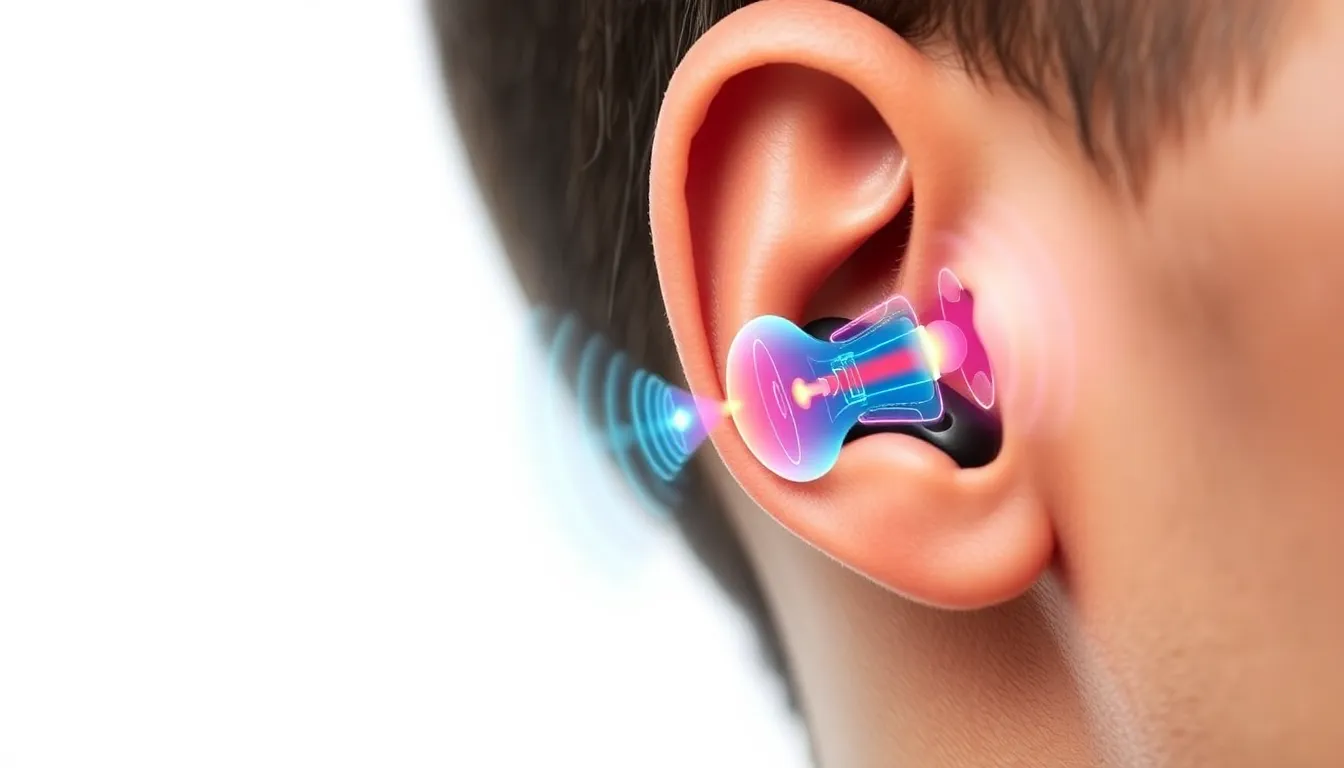
Samsung's recently launched app, called Hearapy, employs specific audio frequencies to stimulate the balance system in the inner ear. The application plays a 100Hz bass sine wave that targets the vestibular system, which is responsible for maintaining equilibrium. This auditory stimulation helps counteract the sensory conflicts that typically cause motion sickness symptoms.
The treatment protocol is remarkably simple and quick. Users need only listen to the therapeutic tone for 60 seconds to experience relief. Clinical observations suggest this brief session can alleviate symptoms for up to two hours, making it a practical solution for car rides, flights, or sea travel.
Accessibility and Compatibility
While initially developed for Samsung's Galaxy Buds lineup, the Hearapy application demonstrates broad compatibility. The software functions effectively with various earbud models, not exclusively Samsung products. This inclusive approach expands potential user access beyond specific hardware ecosystems.
The app represents a non-invasive alternative to pharmaceutical interventions, potentially appealing to those who prefer to avoid medication side effects or who seek immediate relief without systemic drug interactions. The technology operates entirely through audio output, requiring no additional sensors or specialized equipment beyond standard earbuds.
Potential Impact and Considerations
This innovation arrives as wearable audio technology becomes increasingly sophisticated, capable of delivering precise frequency ranges with consistency. The approach aligns with growing interest in digital therapeutics that address common health concerns through consumer electronics.
As with any emerging health technology, individual results may vary based on factors like the severity of motion sensitivity and specific physiological responses. The mechanism represents a promising avenue for further research into auditory-based interventions for vestibular disorders.
Samsung's Hearapy app introduces an innovative approach to managing motion sickness through targeted audio frequencies. By leveraging the connection between auditory stimulation and the inner ear's balance system, this technology offers a quick, non-pharmaceutical option for symptom relief. As digital health solutions continue to evolve, such applications demonstrate how everyday consumer electronics can be repurposed to address common medical concerns, potentially improving quality of life for the significant portion of the population affected by travel-related discomfort.