Samsung's Movingstyle: A Portable Display That Defies Easy Categorization
In the world of consumer electronics, where products typically fit neatly into established categories, Samsung has occasionally released devices that challenge conventional thinking. The Movingstyle, a 27-inch portable touchscreen that emerged seemingly out of nowhere, represents one of those puzzling yet fascinating exceptions. This device has sparked considerable discussion precisely because it resists simple classification, leaving observers simultaneously confused and intrigued by its potential applications.
A Product That Defies Definition
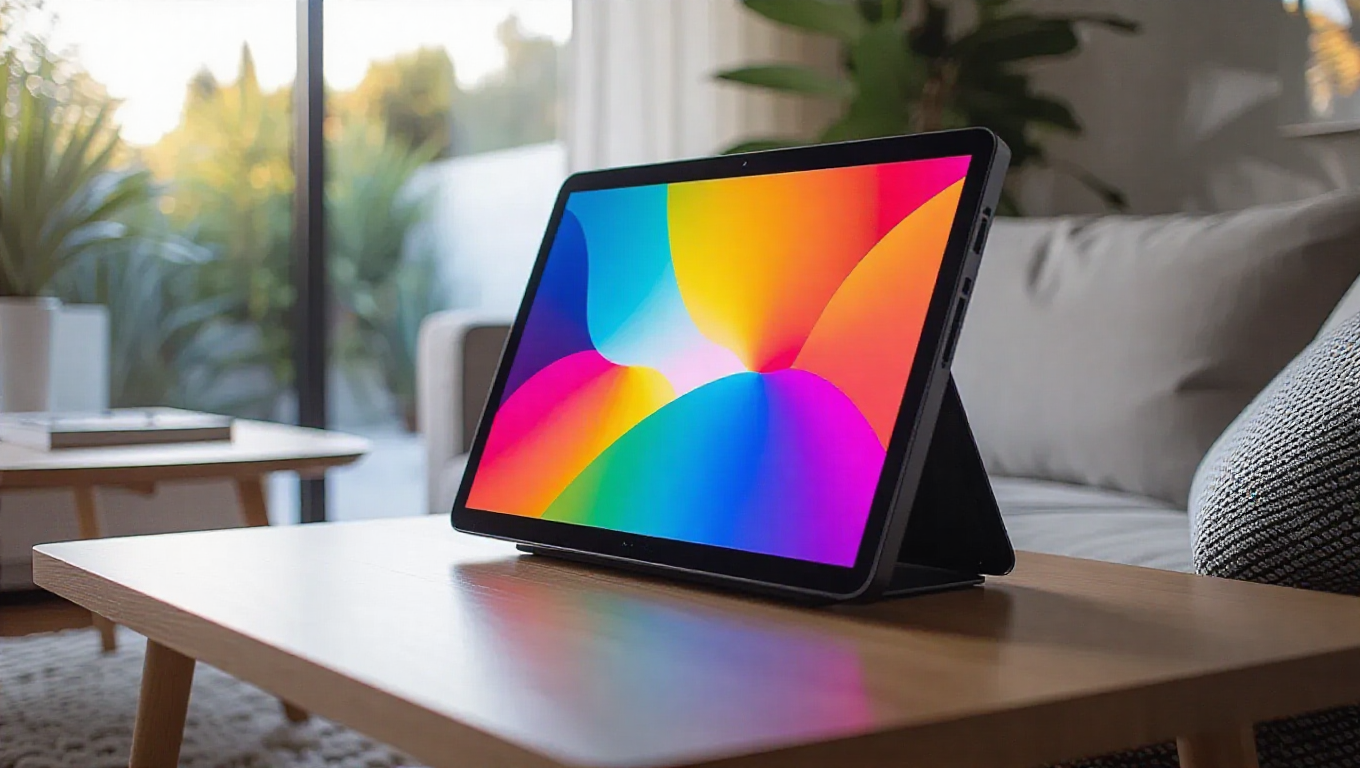
The Movingstyle presents as a 27-inch touchscreen display equipped with Dolby Atmos speakers and a built-in battery providing approximately three hours of operation. Its design includes a kickstand that doubles as a carrying handle and compatibility with a rolling floor stand, suggesting portability as a key feature. Running Samsung's Tizen operating system—typically associated with smart TVs—the device supports streaming services and includes a television-style remote control. Yet despite these television-like characteristics, it lacks fundamental TV features such as coaxial input and compatibility with Samsung's One Connect Box, preventing it from serving as a conventional television replacement.
What It Isn't: The Limitations of a Hybrid
Analysis reveals the Movingstyle's limitations across multiple categories. As a television alternative, it functions primarily as a streaming device without traditional broadcast capabilities. As a computer monitor, its single USB-C DisplayPort and HDMI port, combined with an ergonomically limited stand, make it unsuitable for extended workstation use. As a tablet, its substantial weight—approximately 57 pounds—and lack of S Pen support or Android-based One UI features eliminate true portability. This combination of characteristics creates a product that seems to straddle multiple categories without fully committing to any single one.
Potential Applications and Market Positioning
The ambiguity surrounding the Movingstyle's purpose may be intentional, representing what some describe as a 'lifestyle' product designed for niche applications. Its portability and battery operation suggest potential uses in mobile environments such as camping, van life, or temporary presentation setups. The 120Hz refresh rate and QHD resolution, while not matching premium gaming monitor specifications, could appeal to console gamers seeking a portable display solution. Some observers have speculated about its utility as a portable DeX screen for Samsung device users or as a digital canvas for creative applications, though these uses appear secondary to its core design.
The Intrigue of Ambiguity
What makes the Movingstyle particularly compelling is precisely its resistance to easy categorization. In an industry where products increasingly specialize, Samsung has created a device that invites users to define its purpose based on individual needs and circumstances. This approach represents both a marketing challenge and an opportunity—the product doesn't fit neatly into existing market segments, but its versatility could appeal to users with specific, unconventional requirements. The resulting conversation around the device's identity has generated more interest than a straightforward product release might have achieved.
Conclusion: A Calculated Experiment in Product Design
Samsung's Movingstyle represents a deliberate departure from conventional product development, creating a device that challenges users to reconsider how display technology might serve unconventional needs. While it may not excel in any single traditional category, its combination of portability, touch capability, and television-like features creates unique possibilities for specific user scenarios. The product's ambiguity has proven to be its most intriguing characteristic, sparking discussions about the future of display technology and how companies might innovate beyond established product categories. Whether it succeeds commercially or remains an interesting experiment, the Movingstyle demonstrates that even in a mature industry, there remains room for products that defy easy explanation.