Samsung's Legendary 1995 Phone Bonfire: A Turning Point in Quality Control
In the annals of corporate history, few moments are as visually striking and symbolically powerful as Samsung's 1995 decision to destroy 150,000 of its own phones in a massive bonfire. This dramatic act, orchestrated by the company's late Chairman Lee Kun-hee, was not an act of waste but a calculated statement that would fundamentally alter Samsung's trajectory from a manufacturer of middling electronics to a global technology leader.
The Catalyst for a Corporate Reckoning
The early 1990s were a challenging period for Samsung's mobile phone division. The company was struggling with significant quality control issues, and defect rates had reached an unacceptable peak. Chairman Lee Kun-hee, known for his intense focus on excellence, grew increasingly frustrated. He believed that verbal directives and standard corporate memos about improving quality were falling on deaf ears. The message was not getting through to the workforce or the corporate culture at large. He determined that a more visceral, unforgettable demonstration was necessary to shock the system and catalyze real change.
The Day Everything Changed
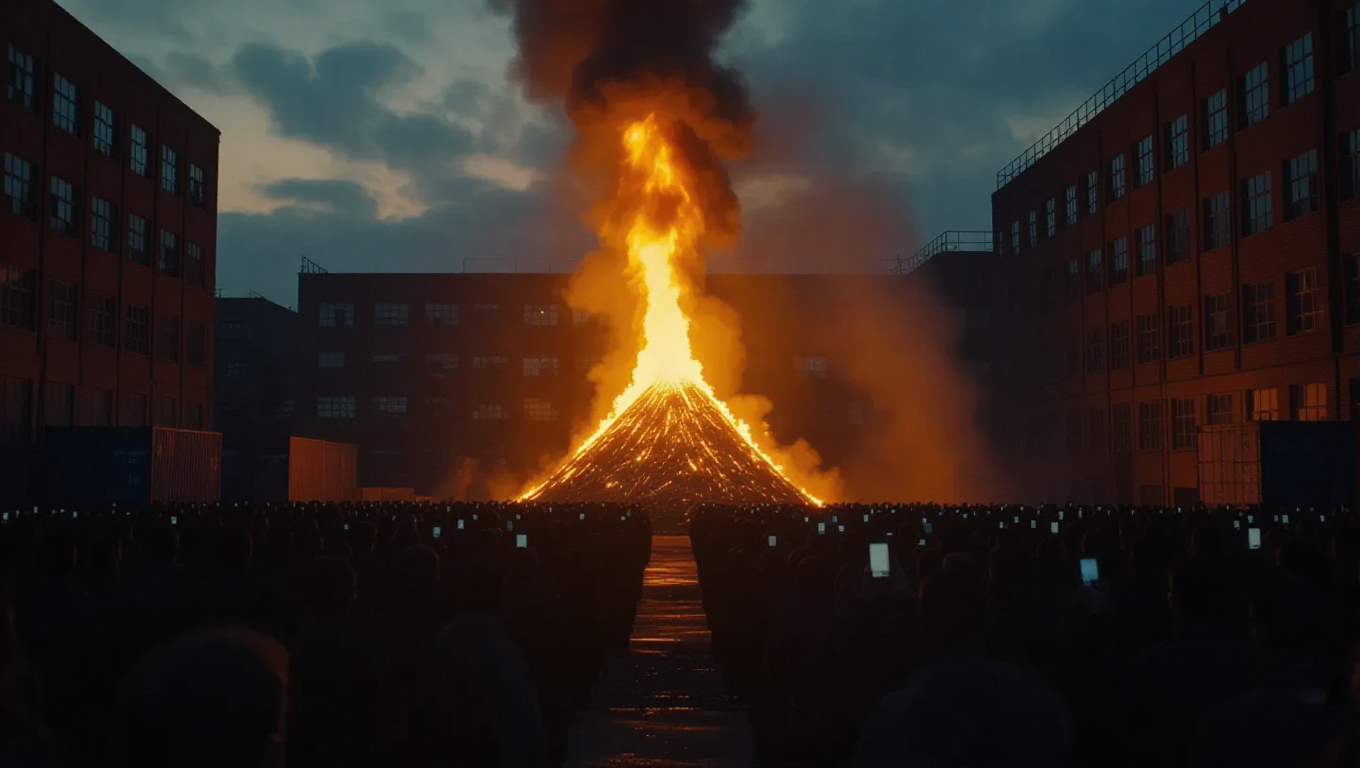
The pivotal event unfolded in a factory courtyard. Lee Kun-hee assembled thousands of Samsung employees to witness an extraordinary spectacle. Before them, a vast pile of 150,000 mobile phones—products that represented significant material value and labor—was set ablaze. The burning was a physical manifestation of Lee's refusal to accept substandard work. It sent an unambiguous message: products that did not meet the highest standards of quality were worthless to Samsung, even if it meant incurring a massive financial loss. This was not merely about destroying inventory; it was about destroying a complacent mindset.
From Ashes to Innovation
The impact of the 1995 bonfire was profound and lasting. It served as a powerful cultural reset, embedding a "quality-first" philosophy deep within Samsung's corporate DNA. The event is widely regarded as a key turning point that spurred the company's relentless drive for improvement in design, engineering, and manufacturing processes. This renewed focus on excellence provided the foundation for Samsung's subsequent rise in the global mobile market, eventually challenging and surpassing established competitors. The story of the bonfire became internal legend, a constant reminder that compromise on quality is not an option.
A Legacy of Radical Commitment
While extreme, Samsung's 1995 phone bonfire stands as a classic case study in leadership and organizational change. It illustrates how a single, decisive action can sometimes communicate more effectively than years of policy directives. The event underscored Lee Kun-hee's hands-on, demanding leadership style and his willingness to take drastic measures to achieve his vision. Today, as Samsung continues to be a dominant force in consumer electronics, the legacy of that day in the courtyard persists—a reminder that the pursuit of quality can require radical commitment, transforming potential failure into the ashes from which success can rise.