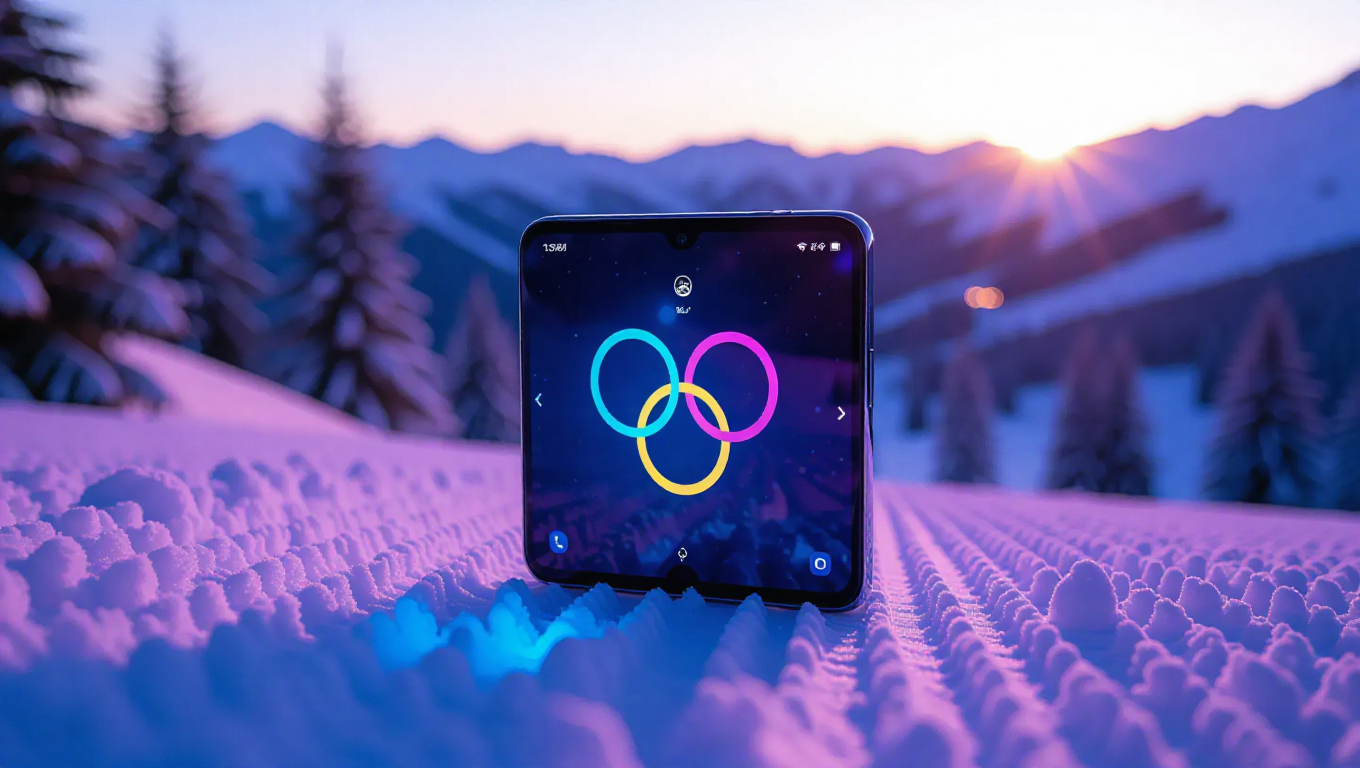
Samsung's Galaxy Z Flip 7 Winter Olympics Campaign: Bold Promotion or Overselling?
As the 2026 Winter Olympics approach, Samsung's marketing campaign for the Galaxy Z Flip 7 has intensified, positioning the foldable device as an ideal companion for the winter sporting event. However, this aggressive promotion has sparked debate about whether the company is overselling a product whose technology faces inherent challenges in freezing conditions.
The Cold Reality of Foldable Technology
Foldable phones and sub-zero temperatures have historically been problematic partners. While Samsung recommends an ideal operating temperature between 0 and 35 degrees Celsius for all phones, foldable devices face additional complications. Their flexible displays become more rigid in extreme cold, potentially reducing longevity and causing permanent damage.
Previous generations of foldable Galaxy phones experienced significant issues in cold weather, with reports emerging in 2021 of display failures occurring in Korea's -18 degree temperatures. These incidents highlighted the vulnerability of early foldable technology to winter conditions.
Improved Durability, Persistent Concerns
Current foldable technology represents a substantial improvement over earlier models. The Galaxy Z Flip 7 and its sibling, the Fold 7, share display technology rated for up to 500,000 folds under optimal conditions. However, in -20 degree Celsius temperatures, this rating reportedly drops to approximately 60,000 folds.
While 60,000 folds in extreme cold represents significant progress, it still raises questions about Samsung's decision to heavily promote the device in winter sports environments. The company's "Open Always Wins" advertising campaign frequently shows the Flip 7 on ski slopes and in snowy settings, potentially creating unrealistic expectations about the device's cold-weather performance.
Practical Considerations for Winter Use
For consumers planning to use the Galaxy Z Flip 7 at the Winter Olympics or in similar conditions, practical precautions may be necessary. Limiting the frequency of folding and unfolding the device in extreme cold could help preserve its longevity. The phone's 4.1-inch cover screen, enhanced by AI capabilities, offers an alternative interface that reduces the need to open the device in challenging conditions.
Marketing Strategy or Technological Confidence?
Samsung's aggressive promotion of the Flip 7 at the Winter Olympics presents two possible interpretations. The company may possess exceptional confidence in its latest foldable display technology, believing it can withstand the winter conditions in Northern Italy where the 2026 games will be held. Alternatively, Samsung may have determined that the marketing benefits outweigh the potential risks associated with promoting foldable technology in cold environments.
The campaign's success or failure may ultimately depend on real-world performance during the Olympics and whether the device can maintain functionality in the varied winter conditions athletes and spectators will encounter.
Conclusion
Samsung's Galaxy Z Flip 7 Winter Olympics campaign represents a bold marketing move that tests the boundaries of foldable technology in extreme conditions. While significant improvements have been made in cold-weather durability, questions remain about whether the promotion accurately represents the device's capabilities. Consumers considering the Flip 7 for winter use should balance Samsung's confident marketing with practical considerations about foldable technology's limitations in freezing temperatures. The 2026 Winter Olympics may serve as the ultimate real-world test of whether foldable phones have truly overcome their cold-weather challenges.