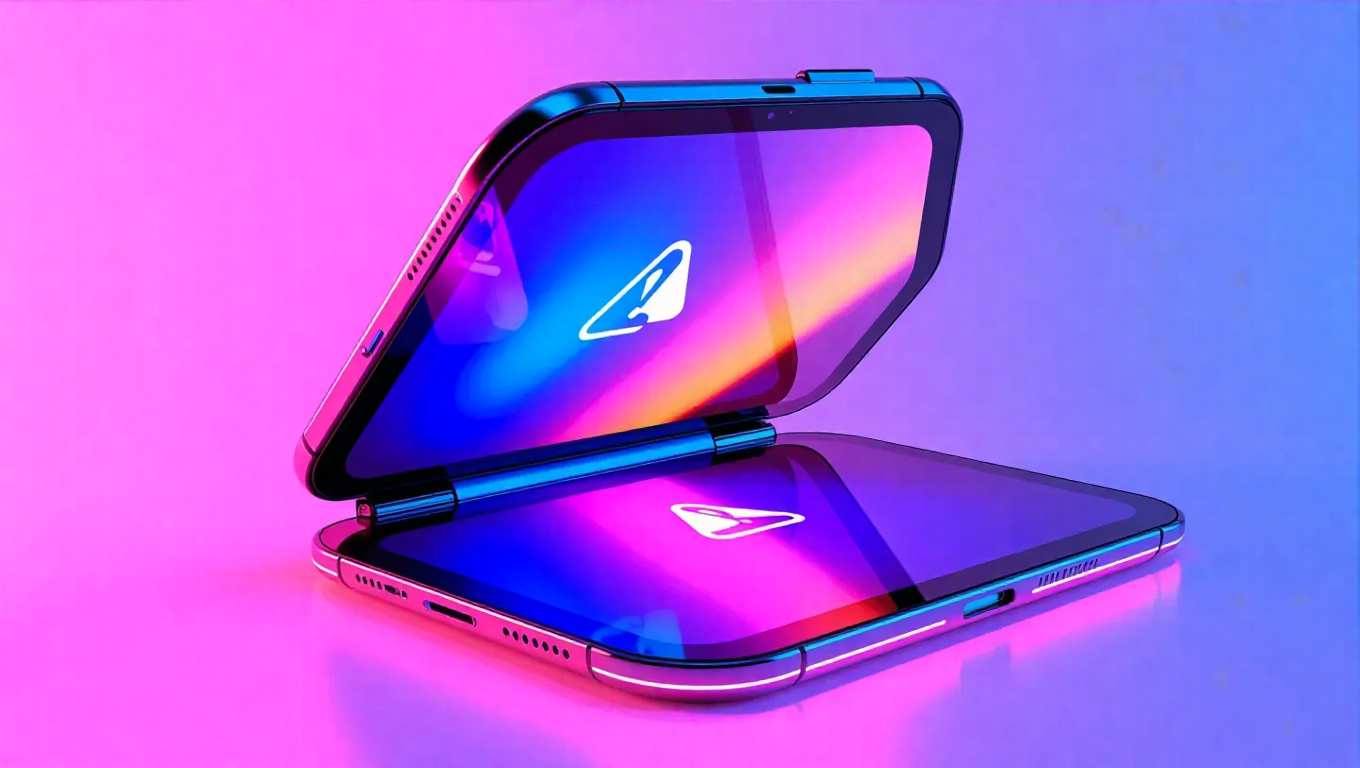
Samsung's Galaxy Wide Fold and One UI 9 May Add Foreign Material Detection for Foldable Screens
Foldable smartphones represent a significant leap in mobile technology, but their innovative hinged designs come with inherent vulnerabilities. One of the most persistent risks is screen damage caused by debris—a single grain of sand or small pebble caught between the folding halves can lead to costly repairs. Samsung appears to be addressing this critical weakness with a new software-based solution that could debut with its next-generation devices and software.
A Software Solution to a Physical Problem
Evidence from a leaked build of Samsung's upcoming One UI 9 software points to the development of a "Foreign Material Detection" feature. This system is designed to proactively warn users before potential damage occurs. The feature appears to rely on detecting whether a foldable device has closed completely, rather than requiring additional specialized hardware.
When the phone fails to achieve a full fold, the system would trigger an alert with a message reading: "Your phone didn't fold completely. Open your phone again, and check if there are any foreign substances on the screen to avoid screen damage. If you don't need this detection alert, you can turn it off in the Settings." This approach acknowledges that the obstruction could be either actual debris or simply how the user is handling the device, offering a cautious warning rather than a definitive diagnosis.
Potential Device Integration and Retroactive Updates
The leaked code strings were accompanied by renders suggesting the feature is intended for multiple upcoming foldable models. These include the anticipated Galaxy Z Flip 8 and Galaxy Z Fold 8, along with a previously rumored device referred to as the Galaxy Wide Fold. This indicates Samsung is considering the feature as a standard protective measure across its foldable lineup.
Perhaps most significantly, since the detection system seems to operate without dedicated sensors, it could potentially be deployed retroactively to existing Galaxy foldable phones through future One UI updates. This would extend the protective functionality to devices already in consumers' hands, addressing a concern that has existed since the first foldables hit the market.
Balancing Protection and User Control
The proposed feature includes an important user control element: the ability to disable the detection alerts through device settings. This recognizes that some users might find frequent warnings intrusive, particularly if they regularly handle their devices in ways that prevent complete folding without actual debris present. The optional nature of the feature suggests Samsung aims to provide protection without imposing mandatory interruptions to the user experience.
While the system cannot definitively identify foreign material versus user handling, it represents a meaningful step toward mitigating one of foldable technology's most common failure points. By alerting users to check their screens before potential damage occurs, Samsung could significantly reduce repair incidents and improve long-term device reliability.
Conclusion
The potential introduction of Foreign Material Detection in One UI 9 demonstrates Samsung's ongoing commitment to refining foldable technology. By addressing the vulnerability to debris through intelligent software rather than complex hardware additions, the company appears to be pursuing an elegant solution that could benefit both future devices and existing models. As foldable phones continue to evolve, such features that enhance durability while maintaining user flexibility will be crucial to wider consumer adoption and satisfaction.