Samsung's Crease-Less Foldable Display: The Technology Explained
The foldable smartphone market has been held back by one persistent, visible flaw: the crease. At CES 2026, Samsung Display showcased a prototype that may have finally solved it—a book-style foldable OLED panel with no visible crease to the naked eye. This represents a significant leap from current-generation devices and hints at a future where foldables feel truly seamless.
The Problem with Traditional Foldable Screens
In existing foldable smartphones, the act of folding concentrates mechanical stress along a single, narrow line on the display. This repeated stress causes the visible crease that users see and feel. It has been a primary aesthetic and tactile complaint, making devices feel less premium and reminding users of the display's mechanical vulnerability with every open and close.
How Samsung's New Display Works
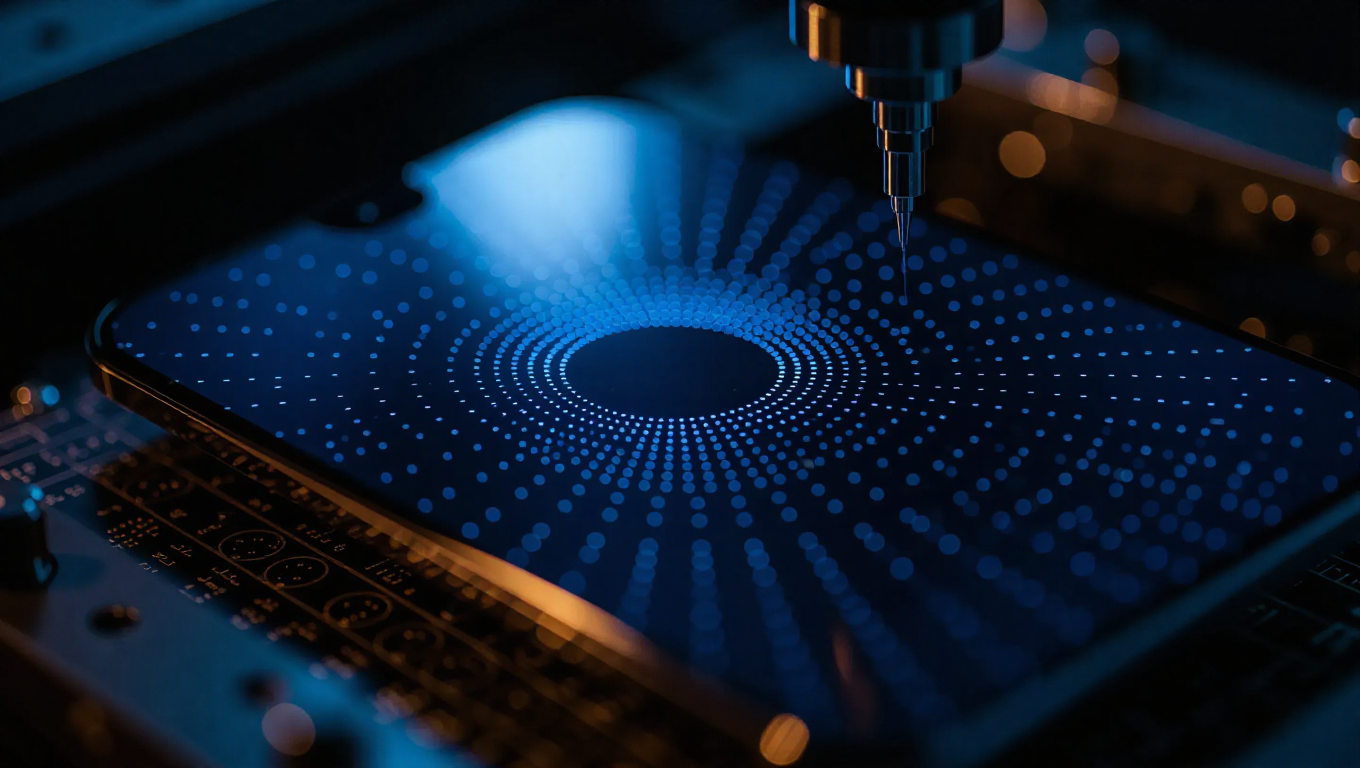
The breakthrough lies in a fundamental re-engineering of the display's folding zone. Instead of allowing stress to focus on one line, Samsung's new panel incorporates a matrix of laser-drilled micro perforations within the folding area. These tiny, precise holes act to distribute and dissipate the folding forces across a wider surface area.
By spreading the stress, the material deformation that causes a prominent crease is dramatically reduced. The result is a folding experience where the crease becomes virtually imperceptible under normal viewing conditions, creating a much more uniform screen surface whether the device is open or closed.
Implications for the Future of Foldables
This technological advancement addresses one of the two major barriers to mainstream foldable adoption: aesthetics. A crease-less display removes a significant point of friction for consumers wary of the compromised look of current foldables.
Industry speculation suggests this panel technology is destined for Samsung's next flagship foldable, potentially the Galaxy Z Fold 8. Furthermore, reports indicate that Samsung Display, a leader in supplying panels to other manufacturers, may provide this advanced screen to Apple for its long-rumored foldable iPhone, which would mark a major validation of the form factor.
While durability—the other key concern—remains to be tested over time, solving the crease issue is a critical step. It moves foldable phones closer to the ideal of a device that offers a large screen without visual compromise, potentially accelerating their journey from niche innovation to commonplace gadget.
Conclusion
Samsung's crease-less foldable display prototype is more than just an incremental improvement; it's a rethinking of a core mechanical challenge. By using micro-perforations to manage stress, the company has demonstrated a path toward foldable screens that are as pleasing to look at as they are to use. If this technology proves reliable in mass production, it could redefine user expectations and finally make the dream of a truly seamless folding phone a reality.