Samsung's Crease-Less Foldable Display May Feature Enhanced Ultra-Thin Glass Technology
The persistent display crease that has characterized Samsung's folding Galaxy phones for years appears to be nearing a solution. Recent technological demonstrations suggest the company has developed a new approach that could eliminate this visual and tactile imperfection, with reports indicating that enhanced ultra-thin glass technology plays a crucial role in this advancement.
The Evolution of Foldable Display Technology
Foldable smartphones have faced significant challenges since their introduction, with the visible crease along the folding axis being one of the most prominent issues. This crease not only affects the visual experience but also raises concerns about long-term durability and user satisfaction. While various manufacturers have attempted different approaches to minimize this effect, Samsung's latest development suggests a potentially more effective solution.
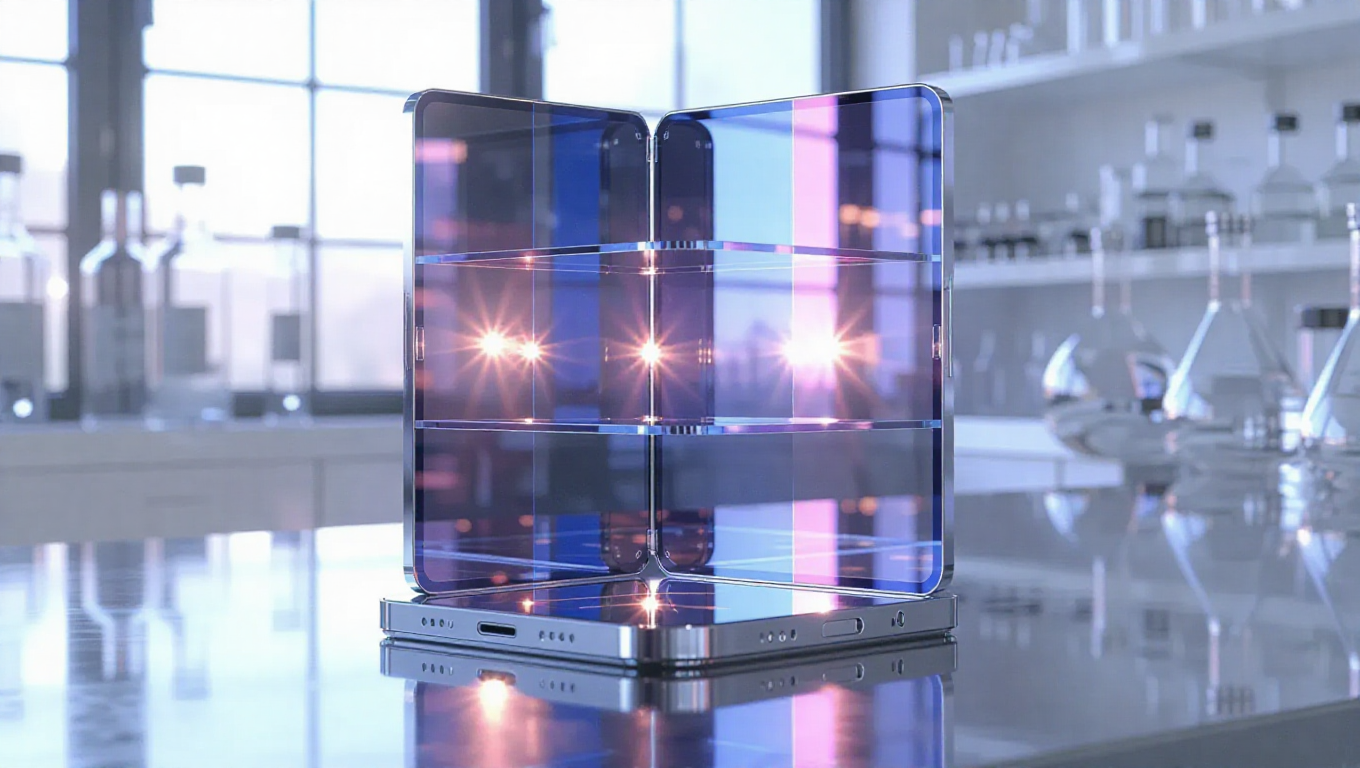
The key innovation appears to involve the strategic use of ultra-thin glass (UTG), a material that has already seen implementation in current foldable devices. However, the new approach reportedly involves additional layers or enhanced applications of this specialized glass. This development represents a significant step forward from previous iterations where the crease remained noticeable despite improvements in hinge mechanisms and protective layers.
Technical Implications and Market Impact
The incorporation of additional ultra-thin glass layers could address multiple challenges simultaneously. Beyond eliminating the visible crease, this approach may enhance display durability against scratches and impacts while maintaining the flexibility required for folding functionality. The technology also promises improved optical clarity and touch responsiveness, addressing common criticisms of current foldable displays.
Industry analysis suggests this advancement could significantly impact consumer adoption of foldable devices. The visual imperfection of the crease has been a barrier for many potential buyers, despite the innovative form factor offering increased screen real estate in portable devices. A truly crease-less display could make foldable smartphones more appealing to mainstream consumers who prioritize both functionality and aesthetic quality.
Manufacturing and Implementation Considerations
Implementing multiple layers of ultra-thin glass presents manufacturing challenges that Samsung appears to have addressed through innovative engineering. The precise layering and bonding of these ultra-thin materials while maintaining flexibility and durability requires sophisticated production techniques. Reports indicate that Samsung has developed proprietary methods to ensure these multiple glass layers work harmoniously with the device's hinge mechanism and overall structure.
The technology also raises questions about device thickness and weight, though early indications suggest Samsung has managed to implement these enhancements without significantly increasing the overall device profile. This balance between improved display quality and maintaining practical device dimensions represents a notable engineering achievement.
Conclusion: The Future of Foldable Displays
Samsung's potential crease-less foldable display technology, enhanced by advanced ultra-thin glass applications, represents a significant milestone in smartphone innovation. While details remain speculative pending official confirmation, the technological direction suggests a future where foldable displays can offer both the visual perfection of traditional glass screens and the functional versatility of folding form factors.
This development could accelerate the mainstream adoption of foldable devices, potentially making them competitive with traditional smartphones in terms of both user experience and durability. As the technology matures and production scales, consumers may soon experience foldable smartphones that truly deliver on their promise of combining large-screen functionality with pocket-friendly portability, without the visual compromises that have characterized earlier generations.