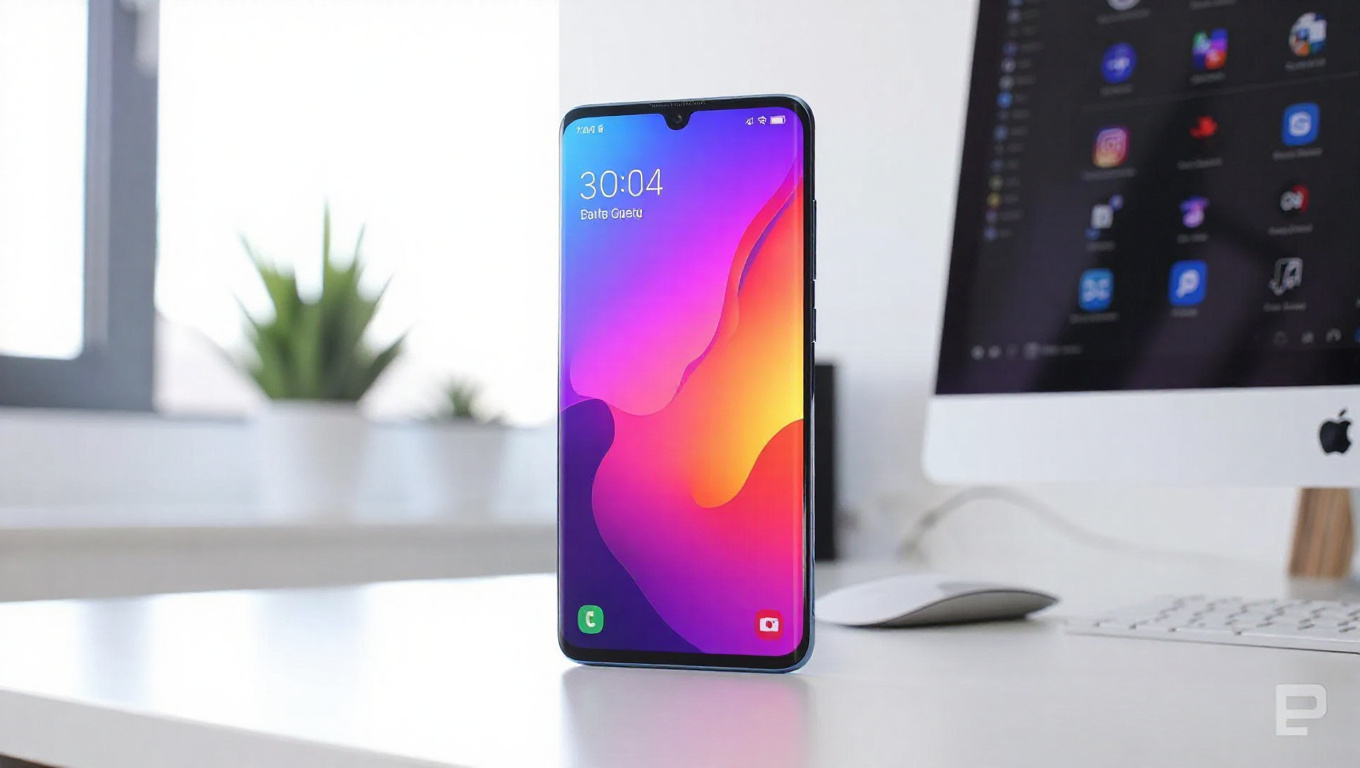
Samsung's Cautious Flagship Strategy: Reader Theories on Minimal Upgrades
Samsung's flagship smartphone releases often draw criticism for their incremental improvements rather than groundbreaking innovations. While competitors push bold designs and new technologies, Samsung appears to take a more measured approach. This has sparked widespread debate among tech enthusiasts about what drives this conservative strategy.
Reader Theories on Samsung's Upgrade Philosophy
Recent discussions with smartphone users reveal several compelling theories about Samsung's cautious approach to flagship upgrades. These insights come from engaged consumers who follow the smartphone market closely and have observed patterns across multiple device generations.
One prominent theory suggests that Samsung's market position allows for conservative upgrades. As a dominant player with established brand loyalty, the company may feel less pressure to introduce radical changes with each new release. This approach could be seen as minimizing risk while maintaining a steady revenue stream from consumers who upgrade regularly regardless of innovation levels.
Another perspective focuses on supply chain and manufacturing considerations. Implementing major design changes or new technologies often requires significant retooling of production lines and can introduce quality control challenges. By making gradual improvements, Samsung may be prioritizing reliability and consistent manufacturing yields over flashy innovations.
Some readers point to the competitive landscape as a factor. With Chinese manufacturers aggressively pushing new features and designs, Samsung might be strategically pacing its innovations to maintain a long-term roadmap rather than exhausting major upgrades in single releases. This could allow the company to have meaningful improvements ready for multiple generations while competitors potentially face innovation fatigue.
There's also discussion about consumer expectations and upgrade cycles. With many users holding onto devices longer, dramatic changes might not be necessary to drive upgrades. Instead, consistent, reliable improvements across camera performance, battery life, and software might better serve the actual usage patterns of most consumers.
The Innovation Balance Challenge
The debate around Samsung's approach highlights a fundamental tension in the smartphone industry: balancing innovation with reliability. While some users crave revolutionary changes, others prioritize stability and refinement of existing features.
This conservative strategy appears to be a calculated business decision rather than an inability to innovate. Samsung continues to invest heavily in research and development across various technologies, suggesting that when the company does introduce significant changes, they're likely to be thoroughly tested and market-ready.
The approach also reflects the maturation of the smartphone market. As the industry moves beyond rapid, revolutionary changes, manufacturers must find new ways to differentiate their products while maintaining what works well for consumers.
Conclusion: Strategic Caution or Missed Opportunities?
Samsung's cautious approach to flagship upgrades represents a complex business strategy that balances multiple factors: market position, manufacturing considerations, competitive pressures, and consumer behavior. While this strategy may frustrate enthusiasts seeking radical innovation, it appears to serve Samsung's broader business objectives and many mainstream consumers.
The coming generations will reveal whether this measured approach continues to serve Samsung well or if increasing competitive pressure will force more aggressive innovation. For now, the company seems committed to its path of gradual, reliable improvements over flashy but potentially risky innovations.