Samsung's Ballie Robot Rolls to a Halt
Samsung's ambitious vision for a rolling home robot companion has hit a significant roadblock. The company has shelved its Ballie robot project, effectively canceling plans for a consumer launch that was once anticipated for summer 2025. This decision marks a notable shift in Samsung's approach to consumer robotics.
From Promising Product to Internal Platform
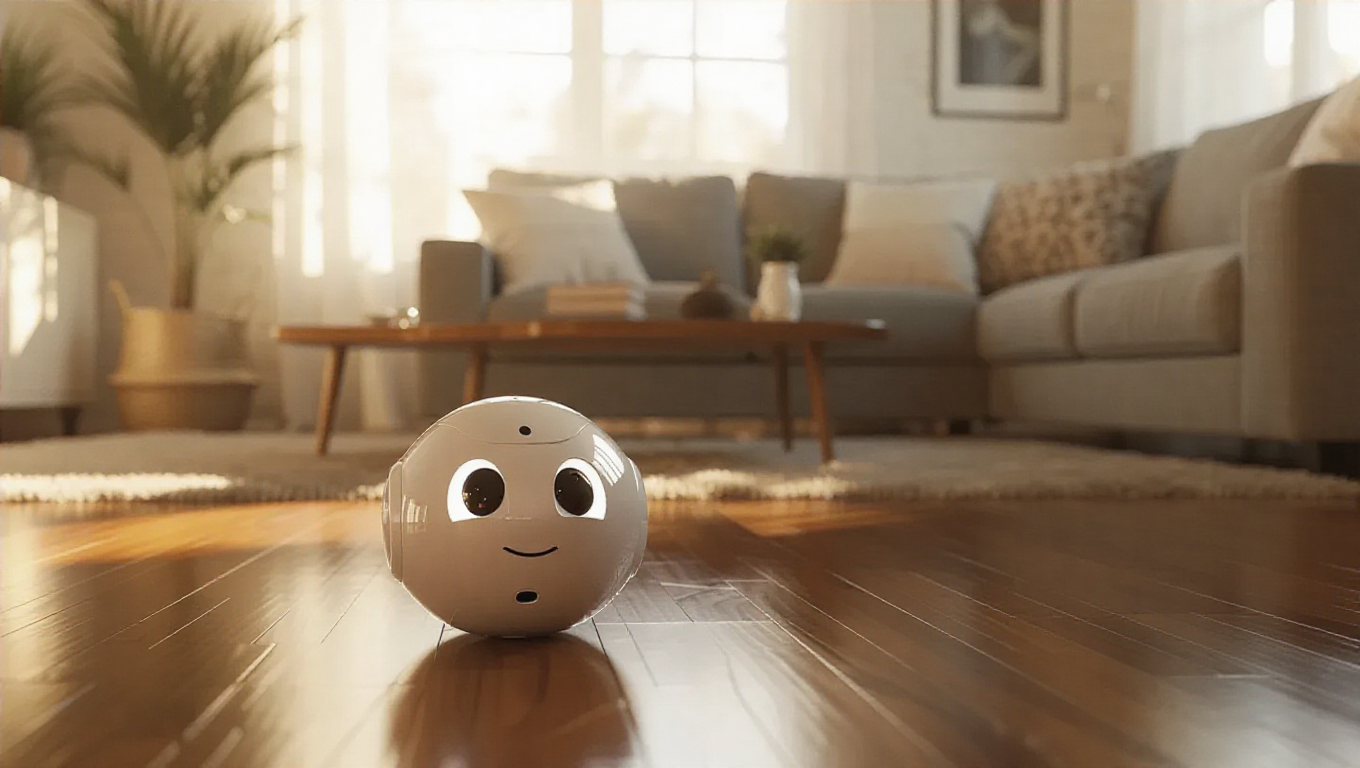
Ballie, first introduced in 2020, was designed as a small, round mobile assistant that could follow users around their homes, control smart devices, and even project images onto walls. The robot generated considerable excitement with its cute design and ambitious functionality, positioning itself as a potential centerpiece for smart home ecosystems.
Recent developments indicate that Ballie has transitioned from a planned retail product to what Samsung describes as an "active innovation platform." This means the technology will remain within Samsung's research and development labs rather than reaching consumer markets. The shift represents a significant departure from the optimism the company expressed during Ballie's initial unveiling and subsequent demonstrations.
The Changing Landscape of Consumer Robotics
The decision to shelve Ballie reflects broader challenges in the consumer robotics market. While industrial and specialized robotics continue to advance, creating affordable, practical home robots that justify their cost and complexity has proven difficult for many technology companies. Ballie's ambitious feature set—including mobility, device control, and projection capabilities—may have presented technical or economic hurdles that proved insurmountable for a mass-market product.
Reports suggest that Samsung's partnership with Google Cloud to integrate Gemini AI into Ballie, announced earlier this year, will likely continue within the context of the robot's new role as an internal innovation platform. This suggests that while consumer availability has been canceled, the underlying technology may still inform future Samsung products or services.
What This Means for Samsung's Robotics Strategy
Samsung's decision to transition Ballie to an internal platform rather than pursuing a consumer launch indicates a strategic recalibration. The company appears to be focusing on developing robotics technology for research purposes rather than immediate consumer products. This approach allows Samsung to continue innovating in the robotics space without the pressure of consumer market expectations and the associated costs of manufacturing, marketing, and support.
The shelving of Ballie doesn't necessarily mean Samsung has abandoned consumer robotics entirely. The technology developed through the Ballie project may resurface in different forms, whether as components in other smart home products, as specialized enterprise solutions, or as the foundation for future robotics initiatives when market conditions and technology readiness align more favorably.
Conclusion
Samsung's Ballie robot represents both the promise and challenges of consumer robotics. While its cancellation as a retail product disappoints those anticipating a new category of home assistant, its transition to an internal innovation platform suggests Samsung remains committed to robotics research. The company's decision reflects the practical realities of bringing complex robotics to consumer markets while maintaining a pathway for continued technological development. As robotics technology evolves, the lessons learned from Ballie may yet contribute to future products that successfully bridge the gap between laboratory innovation and consumer utility.