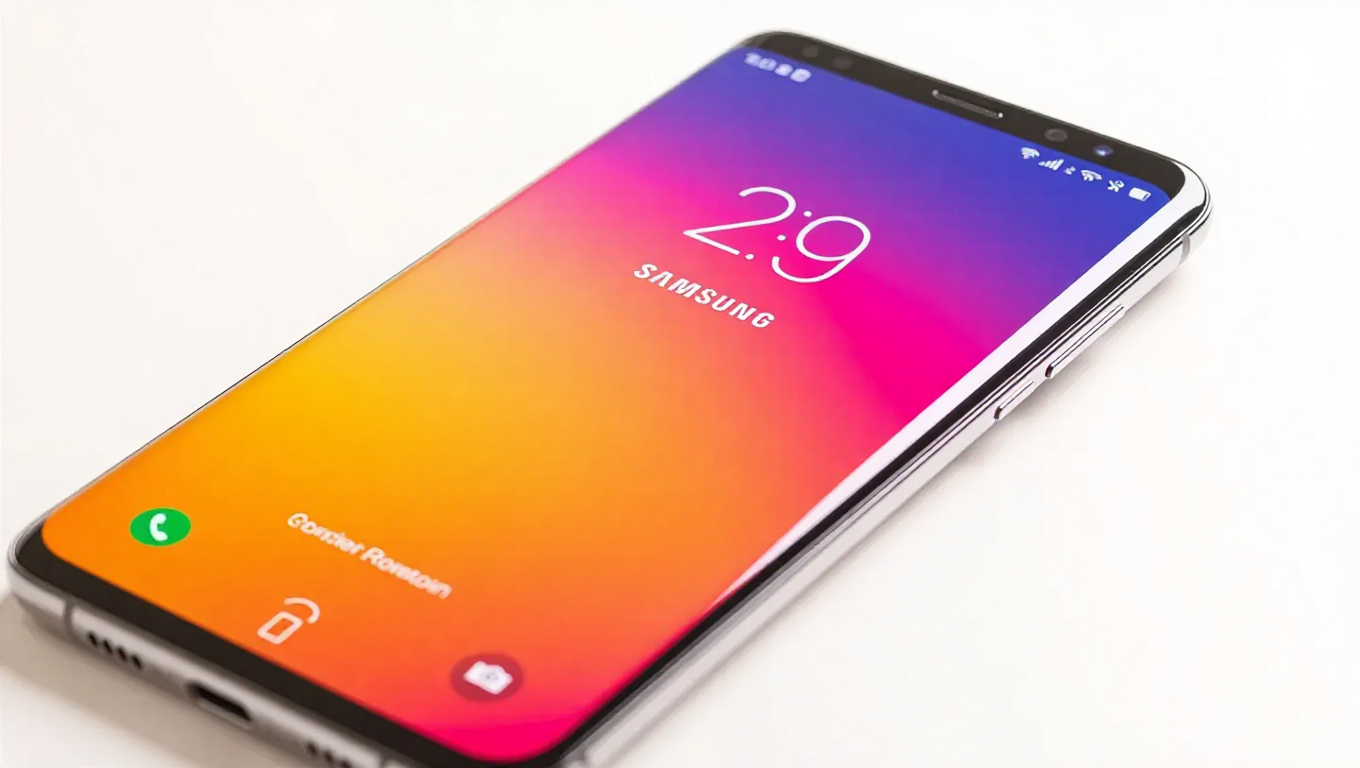
Samsung's Android Dominance: Still Leading or Losing Ground?
For years, Samsung has been synonymous with Android innovation, consistently pushing boundaries with devices that captured consumer imagination. From the pioneering Galaxy Fold to the daring Galaxy Note Edge, the company established itself as the undisputed leader in the Android ecosystem. However, recent trends suggest a shift toward more conservative product strategies, prompting industry observers to question whether Samsung's reign continues unchallenged.
The Innovation Plateau
Recent product cycles reveal a concerning pattern. The Galaxy S line's cameras have remained largely unchanged for four generations, while flagship models have seen incremental rather than revolutionary upgrades. Reports indicate that Samsung stripped a core S Pen feature from its latest Ultra model, and upcoming releases appear to offer minimal improvements over their predecessors. This conservative approach contrasts sharply with the company's history of bold experimentation.
Consumer Sentiment Shifts
Market analysis suggests growing consumer disillusionment with Samsung's current strategy. Surveys reveal significant frustration among users who feel the company's flagship phones have become predictable and safe rather than exciting. While Samsung maintains strong software support with One UI and reliable update schedules, the hardware innovation that once defined the brand appears to have diminished. The company's ambitious foldable program continues to push boundaries, but this contrasts with the increasingly conservative approach to traditional flagship devices.
The Competitive Landscape
Several factors may explain Samsung's cautious approach. Production challenges, reliability concerns, and profit margin considerations likely influence product development decisions. Meanwhile, competitors have intensified their efforts in both premium and mid-range segments, potentially reducing Samsung's competitive advantage. The Galaxy A series, once considered a strong mid-range contender, now faces increased pressure from rivals offering similar features at lower price points.
Future Prospects
Despite current concerns, Samsung retains significant strengths. The company's manufacturing scale, distribution network, and brand recognition remain formidable assets. Software reliability and update consistency continue to be major selling points. However, whether these advantages can sustain long-term leadership without renewed hardware innovation remains uncertain. The company's ability to balance reliability with excitement will likely determine its future position in the Android hierarchy.
Conclusion
Samsung's position as Android leader faces unprecedented scrutiny. While the company maintains strong fundamentals in software support and brand loyalty, its hardware innovation appears to have plateaued. The contrast between its ambitious foldable program and conservative flagship strategy creates uncertainty about future direction. Whether Samsung can recapture its innovative spirit while maintaining reliability will determine if it remains the Android king or cedes ground to more daring competitors. The coming product cycles will reveal whether current trends represent temporary caution or a permanent shift in strategy.