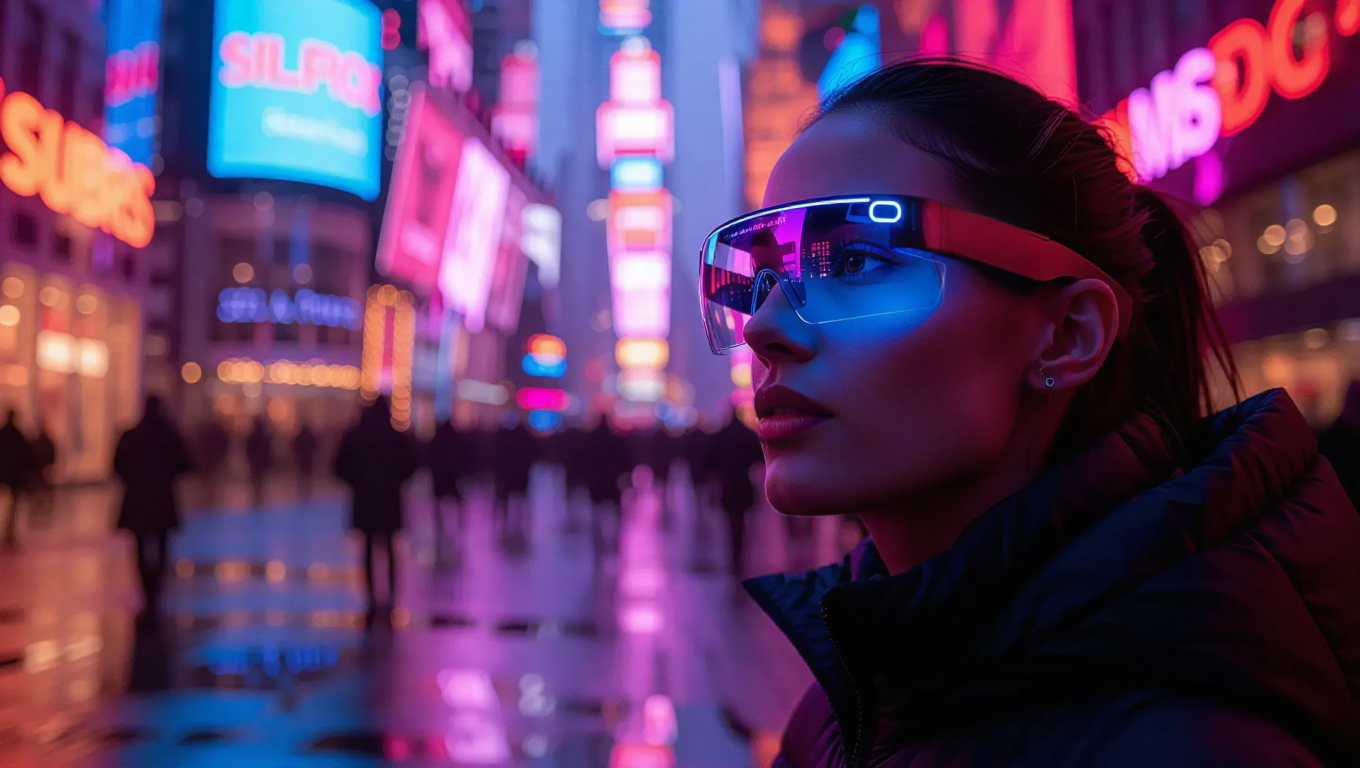
Samsung's 2026 Smart Glasses: A Threat to the Smartphone Era?
The smartphone has dominated personal technology for over a decade, but emerging wearable categories are prompting questions about its long-term supremacy. Samsung's reported 2026 roadmap includes smart glasses that could represent the most significant challenge yet to the rectangular slab that lives in our pockets.
The Evolution Beyond Smartphones
Previous attempts to displace smartphones have largely failed. Tablets were once touted as laptop replacements but found their own niche instead. Early VR headsets generated speculation about monumental shifts that never materialized. Smartwatches, while useful, have inherent limitations that prevent them from fully replacing phones.
Smart glasses represent a different proposition. Unlike bulky headsets or limited wrist devices, glasses combine everyday wearability with potential functionality. Recent developments in the category have shown that style and function can coexist, making the form factor more appealing to mainstream consumers.
Samsung's 2026 Vision
Samsung is expected to launch two pairs of smart glasses starting in 2026. The initial model may focus on core functions like photography and AI interaction, while subsequent versions could expand capabilities significantly. The key challenge will be moving beyond limited functionality to create a comprehensive alternative to smartphones.
The company's strategy appears to involve leveraging its broader ecosystem. A distributed processing model could allow smart glasses to work with Galaxy Watches, Galaxy Rings, and other devices to handle complex tasks while keeping the glasses lightweight and comfortable. This ecosystem approach could create a seamless experience that doesn't rely on a central smartphone.
AI as the Differentiator
Artificial intelligence will be crucial to making smart glasses viable as smartphone alternatives. The goal is ambient AI that works seamlessly in the background—automatically translating foreign text, identifying people, or suggesting routes without explicit commands. This represents a significant evolution from current smartphone AI implementations.
For smart glasses to succeed, AI must become more intuitive and context-aware. The device should understand user needs before they're explicitly stated, creating a computing experience that feels natural rather than requiring constant interaction with a screen.
Design and Social Acceptance
Technical capability alone won't ensure success. Smart glasses must balance functionality with social acceptability. Unlike bulky headsets that make users look like sci-fi characters, successful smart glasses need to be stylish enough for dinner dates while discreetly handling tasks like messaging or email.
The ideal device would be something people want to wear for fashion reasons that also happens to be a powerful computer. This requires careful attention to aesthetics, weight, and social norms around wearable technology.
The Road Ahead
Samsung's first smart glasses in 2026 are unlikely to completely replace smartphones immediately. However, they could establish a foundation for gradual transition. If the company can create a compelling ecosystem where glasses, watches, and other wearables work together seamlessly, users might eventually feel comfortable leaving their phones behind for certain activities.
The true test will be whether smart glasses can handle enough core functions—navigation, communication, information access—to make smartphones feel redundant rather than complementary. This transition would likely be gradual, with phones remaining important for certain tasks even as glasses take over others.
While 2026 probably won't mark the end of smartphones, it could represent the beginning of a shift toward more distributed, wearable computing. Samsung's roadmap suggests the company is preparing for a future where our primary computing device might not be something we carry in our hands, but something we wear on our faces.