Samsung's 2025: AI Expansion, Design Shifts, and Market Moves
The year 2025 marked a transformative period for Samsung, characterized by bold strategic moves across multiple product categories. The company aggressively pushed its "AI For All" vision while making significant design changes to flagship devices, expanding its foldable lineup, and entering new market segments. While some innovations were widely praised, other decisions sparked debate among enthusiasts and analysts alike.
AI Integration Across Product Categories
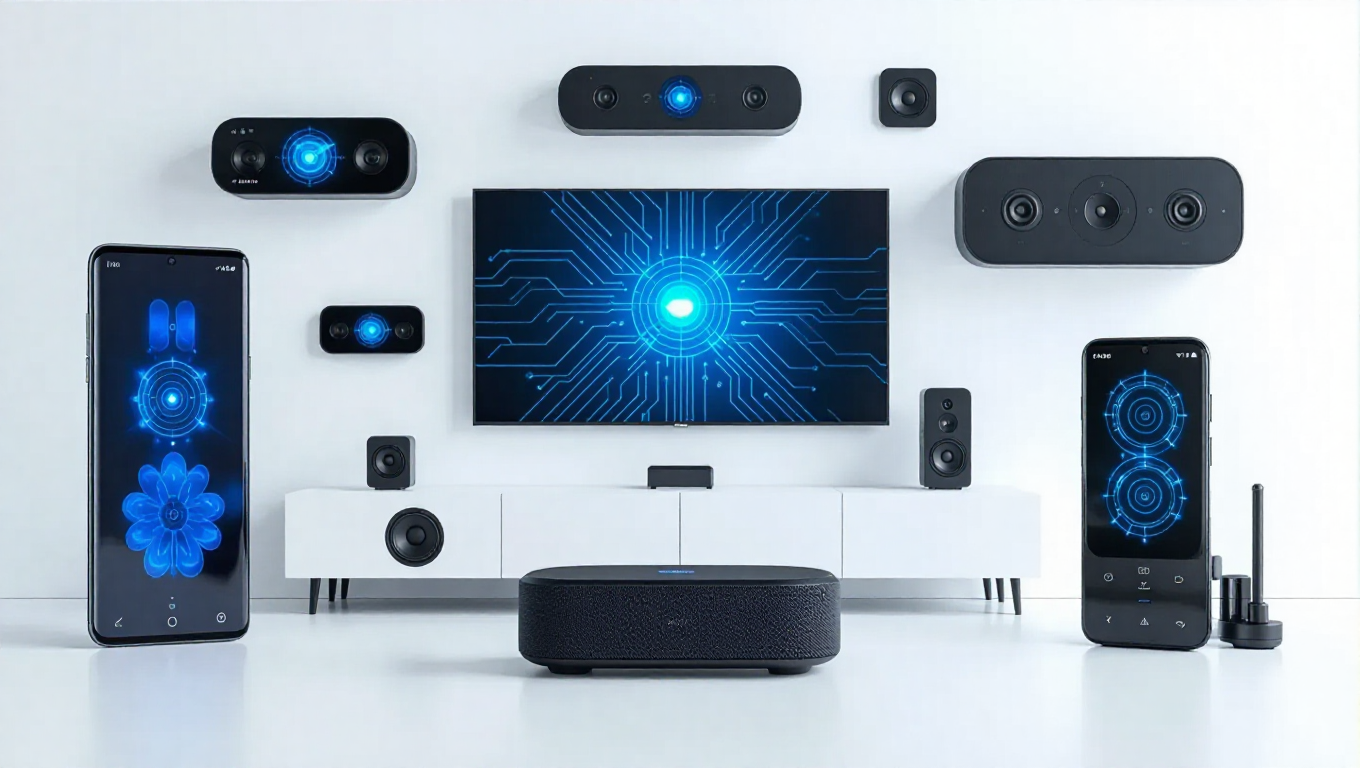
Samsung began the year by unveiling its comprehensive "AI For All" strategy at CES 2025, focusing on bringing artificial intelligence to home appliances and entertainment systems. The 2025 TV lineup received particular attention with the Vision AI suite, introducing features like Click to Search that allows users to identify on-screen content and receive recommendations. This represented a significant step toward making AI a central component of the home entertainment experience.
The AI push extended to home appliances through the Bespoke AI 2025 event in March. Samsung introduced various appliances with AI capabilities and touchscreens, with the Bespoke AI Jet Ultra vacuum cleaner standing out as a notable achievement. Marketed as the world's most powerful vacuum cleaner in its class at launch, it represented Samsung's first vacuum to carry the "Ultra" designation and demonstrated the company's commitment to applying premium branding across diverse product categories.
Flagship Smartphone Evolution
The Galaxy S25 Ultra underwent significant design changes that represented both progress and compromise. The device moved toward a more refined aesthetic with softer corners and flatter surfaces, addressing previous design criticisms. However, this redesign came with a notable sacrifice: the S Pen lost Bluetooth connectivity, eliminating Air Actions functionality that allowed gesture-based device control. This decision disappointed many long-time S Pen enthusiasts who had grown accustomed to these advanced features.
Meanwhile, the Galaxy Z Fold 7 continued Samsung's foldable evolution but made the surprising decision to abandon S Pen support entirely. This created a clear differentiation between the company's premium smartphone lines and suggested a strategic repositioning of the S Pen as an exclusive feature for specific device categories rather than a universal premium accessory.
Market Expansion and Innovation
Samsung successfully expanded its foldable phone lineup with two new models that received positive reception for their upgrades and refinements. The company also entered the ultra-thin phone segment with its first model in this category, demonstrating continued experimentation with form factors. Perhaps most significantly, Samsung finally brought the long-anticipated Galaxy XR headset to market, marking its official entry into the extended reality space.
In the audio category, Samsung introduced innovative technology with the QS700F soundbar, the company's first soundbar equipped with an internal gyroscope. This allowed the device to automatically adjust audio output based on whether it was placed horizontally on a stand or mounted vertically on a wall, ensuring consistent sound quality regardless of orientation.
Software and Unfulfilled Promises
On the software front, Samsung delivered two major Android updates within the year, accelerating its update schedule compared to previous years. This demonstrated improved software development and deployment capabilities. However, not all anticipated products materialized. The Ballie home robot companion, which had generated considerable excitement in previous years, failed to reach commercial release, representing one of the year's notable disappointments.
Conclusion: A Year of Strategic Pivots
Samsung's 2025 was defined by aggressive AI integration across its product ecosystem, significant design evolution in flagship devices, and successful expansion into new market segments. While decisions like the S Pen feature reductions generated controversy, they reflected strategic choices about product differentiation and feature prioritization. The company demonstrated both innovation in areas like soundbar technology and extended reality, while also showing that not all ambitious projects reach fruition. As Samsung moves forward, its 2025 decisions suggest a company willing to make bold changes to maintain market leadership, even when those changes involve difficult trade-offs that may not please all segments of its customer base.