Samsung's $2,900 Galaxy Z TriFold: Innovation or Overreach?
The foldable phone market has evolved rapidly, with devices like Samsung's Galaxy Z Fold series winning over skeptics by blending innovative hardware with increasingly practical smartphone experiences. However, the latest entry, the Galaxy Z TriFold, represents a dramatic leap in both ambition and price that has sparked significant debate about the direction of foldable technology.
The TriFold's Ambitious Proposition
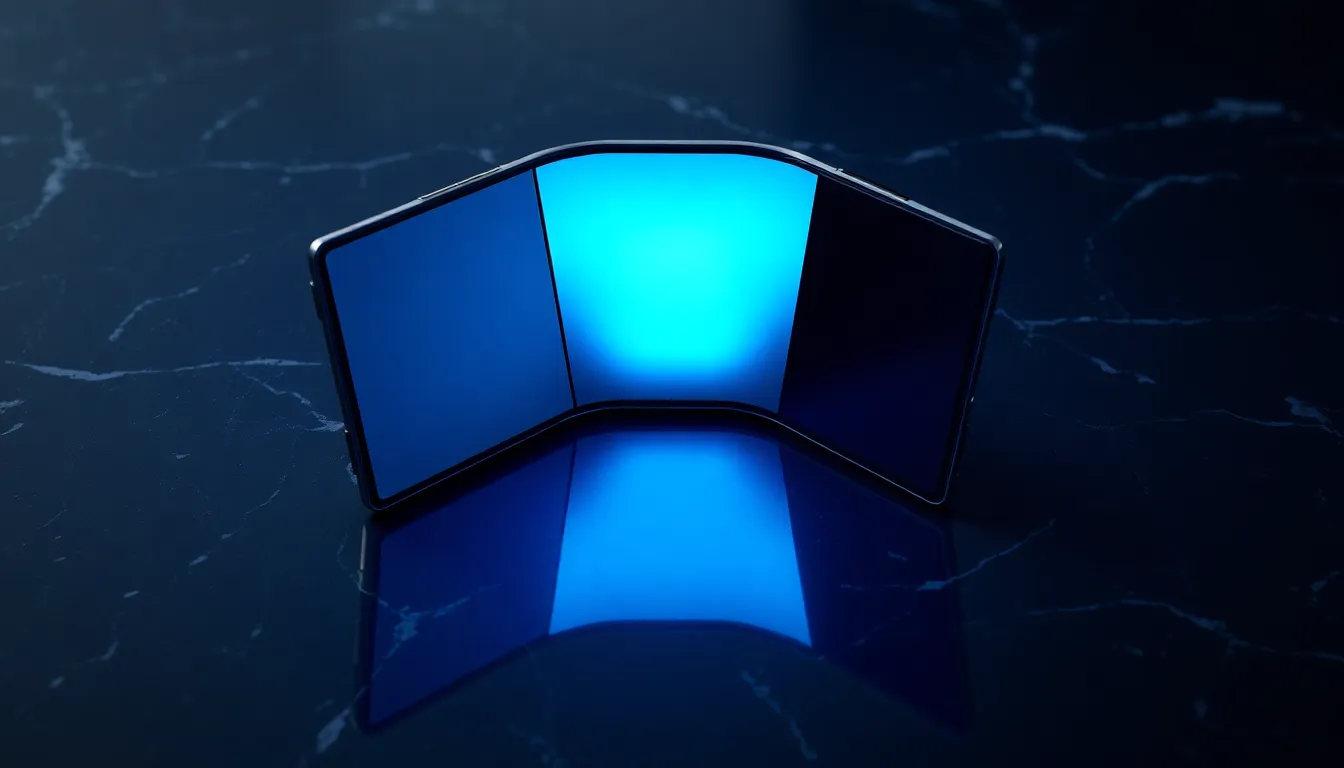
The Galaxy Z TriFold introduces a triple-screen design that expands the concept of foldable displays beyond the now-familiar book-style and flip formats. This engineering feat allows the device to transform from a standard smartphone into a tablet-sized canvas, theoretically offering unprecedented screen real estate for productivity and media consumption. The hardware represents a clear technological advancement, showcasing what's possible when pushing the boundaries of flexible display technology.
However, this innovation comes with substantial compromises. Early impressions suggest the device is notably thicker and heavier than conventional smartphones or even standard foldables when folded. The triple-hinge mechanism, while mechanically impressive, introduces additional points of potential failure and complexity. These physical trade-offs are inherent to the design but become particularly significant given the device's positioning.
The Staggering Price Barrier
The most contentious aspect of the Galaxy Z TriFold is its $2,900 launch price. This figure places it firmly in the luxury electronics category, far beyond even premium smartphones and existing high-end foldables. At this price point, the device competes not just with other phones but with entire ecosystems of technology, including laptops, tablets, and professional-grade devices.
This pricing strategy raises fundamental questions about target audience and value proposition. While early adopters have shown willingness to pay premiums for cutting-edge technology, the TriFold's price represents a multiplier rather than an incremental increase. The cost necessitates near-perfect execution and clear, daily utility that justifies bypassing more established and affordable alternatives.
Practicality and Market Positioning
Beyond price, the TriFold faces challenges in defining its core use case. While the expanded screen area offers potential benefits for multitasking and content creation, software optimization for the unique aspect ratios and transitions between states remains a work in progress. The experience of using a device with three distinct screen configurations—phone, small tablet, and large tablet—requires significant adaptation from both users and app developers.
Market reception suggests that while the technology is impressive, the practical benefits may not yet align with the substantial investment required. The device exists in a challenging middle ground: too expensive for casual experimentation, yet potentially not specialized enough to replace dedicated productivity tools for professionals who might otherwise justify the expense.
The Future of Foldable Innovation
The Galaxy Z TriFold represents an important, if controversial, milestone in foldable development. It demonstrates what's technically possible while highlighting the tension between innovation and accessibility. The device serves as both a showcase of engineering prowess and a case study in market testing—determining how far consumers are willing to follow technological ambition.
Future iterations will likely benefit from the lessons learned here, potentially refining the form factor, reducing production costs, and improving software integration. However, the current model stands as a reminder that technological capability alone doesn't guarantee commercial success, especially when divorced from considerations of practical utility and reasonable pricing.
Conclusion: A Step Too Far, For Now
The Galaxy Z TriFold is undeniably ambitious, pushing foldable technology into new territory with its triple-screen design. However, its $2,900 price tag creates a barrier that few consumers will likely overcome, especially given the practical compromises and evolving software support. While it serves as an impressive technological showcase, its value proposition remains questionable for all but the most dedicated early adopters with unlimited budgets.
The device highlights an ongoing challenge in the foldable market: balancing innovation with accessibility. As the technology matures, the most successful products will likely be those that offer meaningful improvements to daily smartphone use without requiring consumers to make extraordinary financial sacrifices. The TriFold, for all its engineering achievement, may represent a direction that needs refinement before finding mainstream acceptance.