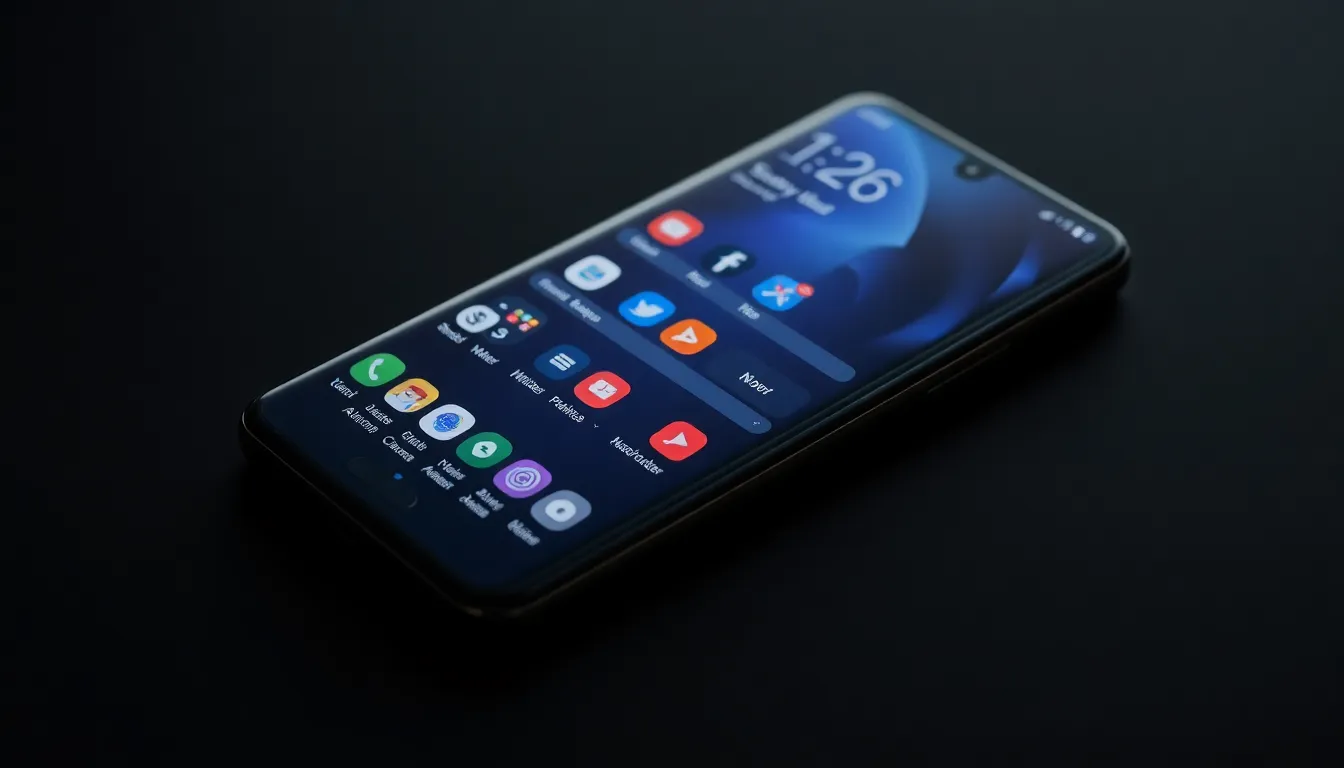
Samsung's $1,300 Galaxy S26 Ultra Criticized for Bloatware Despite Premium Price
Samsung's latest flagship smartphone, the Galaxy S26 Ultra, is facing scrutiny for its software approach. Despite commanding a starting price of $1,300, the device ships with a notable amount of preinstalled third-party applications, a practice more commonly associated with budget devices seeking to offset costs.
The Storage Impact of Preinstalled Software
Examination of a clean 512GB Galaxy S26 Ultra reveals the tangible impact of this software strategy. System files and preinstalled apps from partners like Meta, Microsoft, and Spotify reportedly occupy over 40GB of the device's storage before the user installs a single application or saves a photo. This represents a significant portion of the available space, especially for users who opt for lower storage tiers.
A Question of Value at a Premium Tier
The presence of such bloatware raises questions about value proposition. In the budget smartphone segment, preloaded apps are often a trade-off to achieve a lower retail price. However, the Galaxy S26 Ultra maintains its position at the top of the market with a premium price tag, yet it does not offer a correspondingly clean, bloat-free software experience out of the box. This creates a disconnect between the device's cost and the user's initial interaction with its software environment.
Market Context and Consumer Expectations
The Galaxy S26 series, particularly the Ultra model, is positioned as a leader in the Android ecosystem. Strong early interest suggests it is on track to be a popular choice. However, this software approach contrasts with growing consumer expectations for transparency and control over their devices. Users investing in a top-tier smartphone increasingly expect an experience curated for performance and personalization, not one cluttered with unrequested applications that cannot be fully removed.
Conclusion
The Galaxy S26 Ultra exemplifies the ongoing tension in the smartphone market between hardware excellence and software purity. While it boasts cutting-edge specifications, its inclusion of significant bloatware undermines the premium experience its price suggests. For a device starting at $1,300, consumers might rightly expect a clean slate, free from pre-installed software that consumes valuable storage and may impact initial user satisfaction. This issue highlights a broader industry conversation about what constitutes a true flagship experience in the modern era.