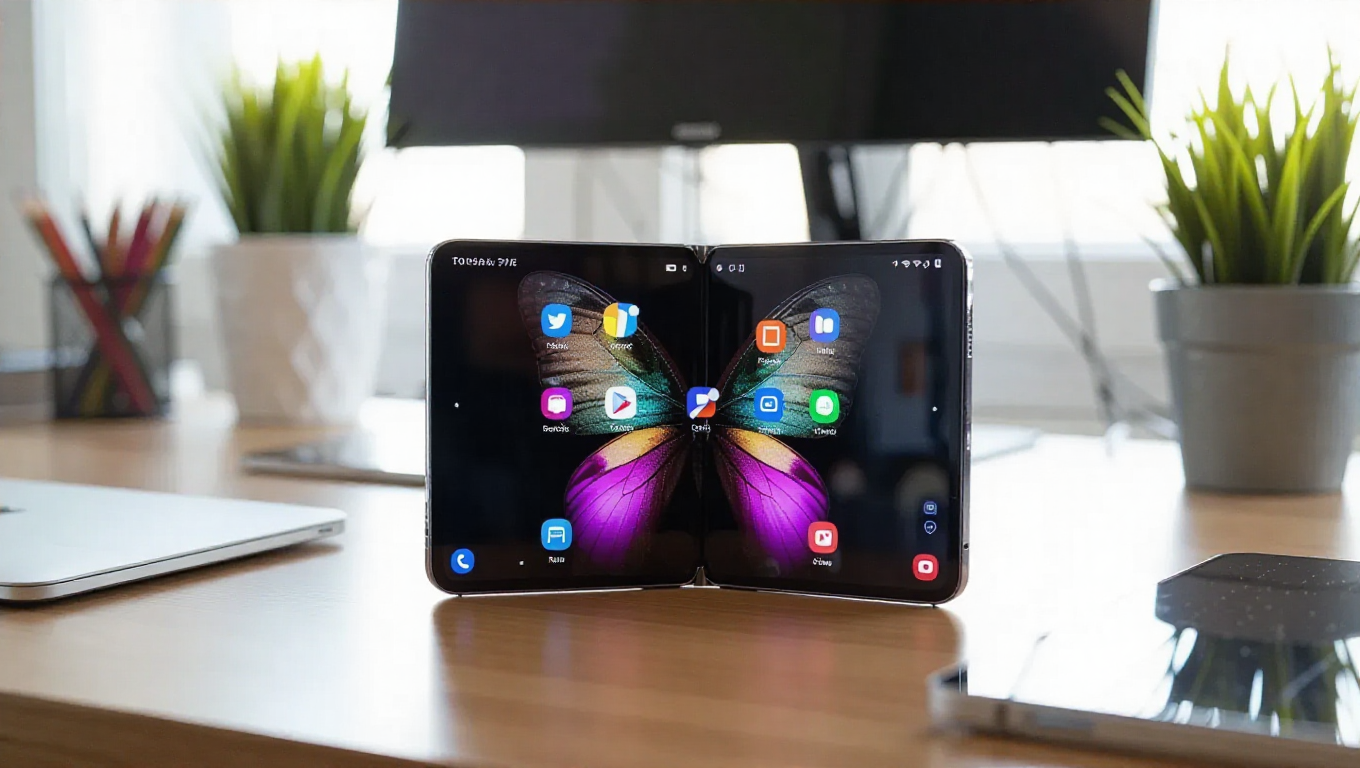
Samsung Reportedly Shifting Production Focus from Flips to Folds in 2026
In a potential strategic pivot for the foldable smartphone market, Samsung appears to be adjusting its production plans for 2026, with reports indicating the company may manufacture more of its premium Fold models than its more affordable Flip devices for the first time.
A Reversal of Traditional Strategy
Historically, Samsung has produced significantly more Flip phones than Fold devices each year. This approach made business sense as Flip foldables typically carry lower price points and have demonstrated stronger consumer demand in many markets. The more compact form factor and accessible pricing of Flip models have made them the entry point for many consumers exploring foldable technology.
However, recent market dynamics suggest this balance may be shifting. The Galaxy Z Fold 7 reportedly outsold the Galaxy Z Flip 8 last year, despite Samsung's original production plans favoring the Flip model. This unexpected sales performance appears to have influenced the company's planning for the next generation of devices.
Production Numbers Point to Strategic Shift
Reports from industry sources suggest Samsung plans to produce approximately 3.5 million Galaxy Z Fold 8 devices in 2026, compared to 2.5 to 3 million Galaxy Z Flip 8 units. If accurate, this would mark the first time Samsung has planned from the outset to manufacture more Fold devices than Flip models.
This production shift reflects evolving consumer preferences in the foldable market. While Flip devices initially captured attention with their nostalgic clamshell design and lower price barrier, Fold models offer tablet-like functionality that appeals to productivity-focused users. The larger displays and multitasking capabilities of Fold devices appear to be gaining traction as consumers become more familiar with foldable technology.
Market Implications and Future Outlook
The reported production shift suggests Samsung is responding to changing market dynamics. As foldable technology matures and becomes more mainstream, consumer preferences may be evolving toward devices that offer more substantial productivity benefits rather than just compact form factors.
This strategic adjustment could have broader implications for the foldable market. If Samsung, as the market leader in foldable smartphones, shifts its focus toward higher-end Fold devices, it may signal a maturation of the category where premium features and productivity capabilities become more valued than novelty and compactness alone.
The move also suggests that Samsung believes the market for premium foldables has reached sufficient scale to justify increased production volumes. This could potentially lead to economies of scale that might eventually help reduce prices or improve profit margins on Fold devices.
Conclusion
Samsung's reported decision to prioritize Fold production over Flip manufacturing in 2026 represents a significant shift in the company's foldable strategy. This move appears to be driven by market data showing stronger-than-expected demand for premium Fold devices and suggests that consumer preferences in the foldable segment may be evolving toward devices that offer more substantial productivity benefits.
While Flip models will likely remain an important part of Samsung's foldable lineup, the company's production plans indicate a growing confidence in the market for larger, more feature-rich foldable devices. As the foldable market continues to mature, this strategic adjustment could help shape the future direction of the entire category.