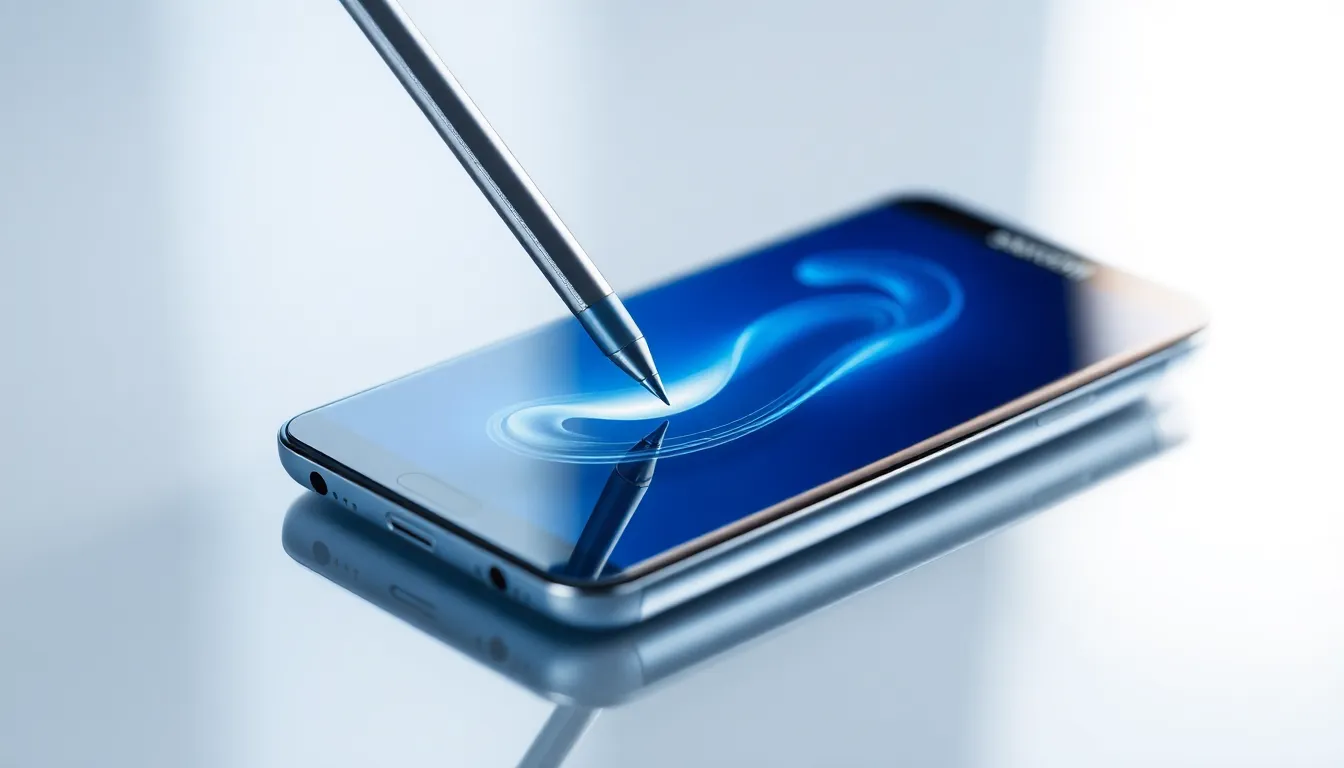
Samsung Reportedly Reconsiders Major S Pen Display Change for Galaxy S27 Ultra
Following the recent launch of the Galaxy S26 series, Samsung confirmed its commitment to maintaining S Pen support on its Ultra devices, dispelling rumors of potential removal. The company had hinted at developing new technology to slim down future phones while preserving stylus functionality, setting expectations for the Galaxy S27 Ultra expected next year. However, recent industry developments suggest these plans may be undergoing significant revision.
Display Technology Reconsideration
Reports indicate that Samsung had been exploring a major display overhaul for the Galaxy S27 Ultra, specifically considering the implementation of a digitizer-less display technology. This approach, similar to what was introduced with the Galaxy Z Fold 7, would have eliminated the dedicated layer that detects stylus input, potentially allowing for a thinner overall device profile.
The proposed change represented a significant departure from current S Pen implementation, where a dedicated digitizer layer enables precise pressure sensitivity and palm rejection. By removing this layer, Samsung aimed to reduce display thickness, which in turn would have allowed for a slimmer phone design overall.
Potential Implications of the Decision
Recent information suggests Samsung has reportedly reconsidered this approach for the upcoming Galaxy S27 Ultra generation. While maintaining S Pen support remains a priority, the company appears to have postponed the digitizer-less display implementation, at least for this iteration.
This decision carries several potential implications. First, it suggests the Galaxy S27 Ultra may maintain a similar thickness profile to current models, as the digitizer layer contributes to overall device dimensions. Second, it indicates that S Pen functionality will likely remain consistent with existing implementations, preserving the familiar user experience that has become a hallmark of Samsung's premium devices.
Design and Feature Trade-offs
The reconsideration of display technology also affects other potential design elements. With a traditional digitizer in place, Samsung may face challenges incorporating internal magnets for wireless charging capabilities, a feature that could have been more easily implemented with a slimmer display stack.
This development highlights the complex engineering trade-offs involved in smartphone design, particularly when balancing established features like S Pen support with ambitions for thinner, more compact devices. The decision to maintain current display technology suggests Samsung prioritizes maintaining the quality and reliability of the S Pen experience over immediate design slimness improvements.
Conclusion
The potential postponement of digitizer-less display technology for the Galaxy S27 Ultra represents a significant development in Samsung's product planning. While the company continues to explore ways to innovate its flagship devices, this decision suggests a cautious approach to changing core functionality that has defined the Ultra series.
As development continues, industry observers will be watching to see how Samsung balances its commitment to the S Pen ecosystem with ongoing design evolution. The Galaxy S27 Ultra's final specifications and features will reveal whether this reported reconsideration represents a temporary delay or a more fundamental reevaluation of how Samsung integrates stylus technology into its premium smartphones.