Samsung Reportedly Prioritizing Premium OLED Displays for iPhones Over Galaxy Phones
Recent industry developments suggest a surprising shift in Samsung Display's allocation strategy for its most advanced smartphone panels. While Samsung's Galaxy series has long been celebrated for its display technology, emerging information indicates the company's premium OLED production may be increasingly directed toward its competitor's flagship devices.
The iPhone 18's Display Advantage
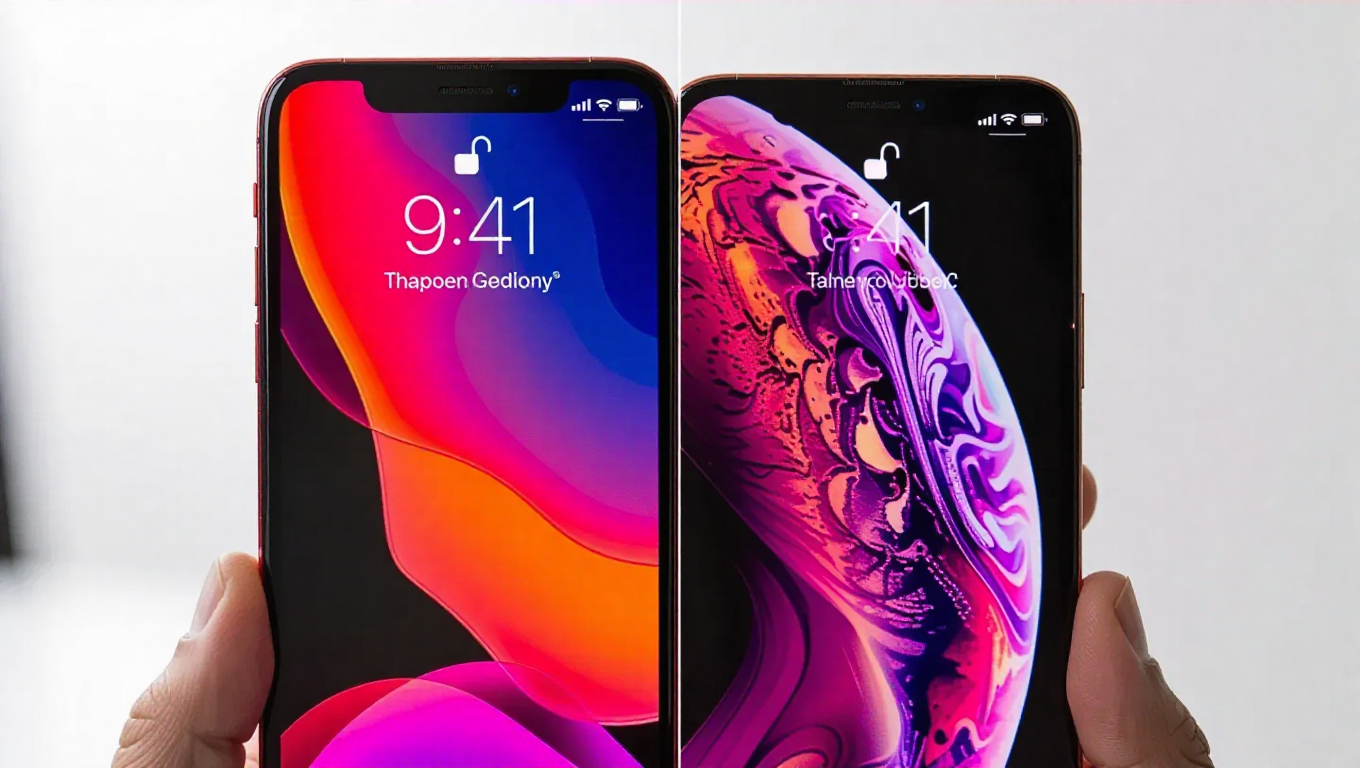
Reports circulating from supply chain sources indicate that Samsung Display will provide Apple with its highest-quality OLED panels for the upcoming iPhone 18 lineup. These panels are said to feature significant brightness improvements over current offerings, with Samsung and possibly LG being the only manufacturers capable of meeting Apple's stringent specifications.
The technology in question involves advanced LTPO+ panels that not only offer enhanced brightness but also enable more sophisticated under-display sensor integration. This advancement could potentially allow Apple to further minimize or eliminate the notch design that has characterized recent iPhone models, moving Face ID components behind the screen itself.
Galaxy S26 Display Expectations
Meanwhile, information about Samsung's own upcoming Galaxy S26 series suggests these devices may feature display technology identical to their predecessors. This would mark a departure from the typical year-over-year improvements consumers have come to expect from Samsung's flagship smartphone displays.
The apparent discrepancy between display allocation for iPhones versus Galaxy devices raises questions about Samsung's internal prioritization. As both a smartphone manufacturer and a display supplier to competitors, Samsung faces complex decisions about where to allocate its most advanced technology.
Supply Chain Implications
The situation highlights the intricate relationships within the smartphone component ecosystem. Samsung Display operates as a separate entity from Samsung's mobile division, with its own business priorities and customer relationships. Apple's massive purchasing power and exacting quality standards have reportedly made it a preferred customer for the display manufacturer's most advanced offerings.
This dynamic creates an unusual scenario where Samsung's smartphone division competes with Apple in the consumer market while Samsung's display division supplies both companies with components. The current reports suggest that when forced to choose between allocating limited production capacity for cutting-edge displays, Samsung Display may be prioritizing its external customer over its internal one.
Conclusion
The display technology landscape continues to evolve with surprising competitive dynamics. While Samsung's Galaxy phones have traditionally showcased the company's display innovations, current industry reports suggest this may be changing. As Apple prepares its iPhone 18 series with potentially superior Samsung-made displays, Samsung's own Galaxy S26 may represent a plateau in display advancement, at least temporarily.
This situation underscores the complex realities of modern technology manufacturing, where component suppliers must balance relationships with multiple competing device manufacturers. For consumers, it may mean that the best smartphone display technology in the coming year could appear in an unexpected place.