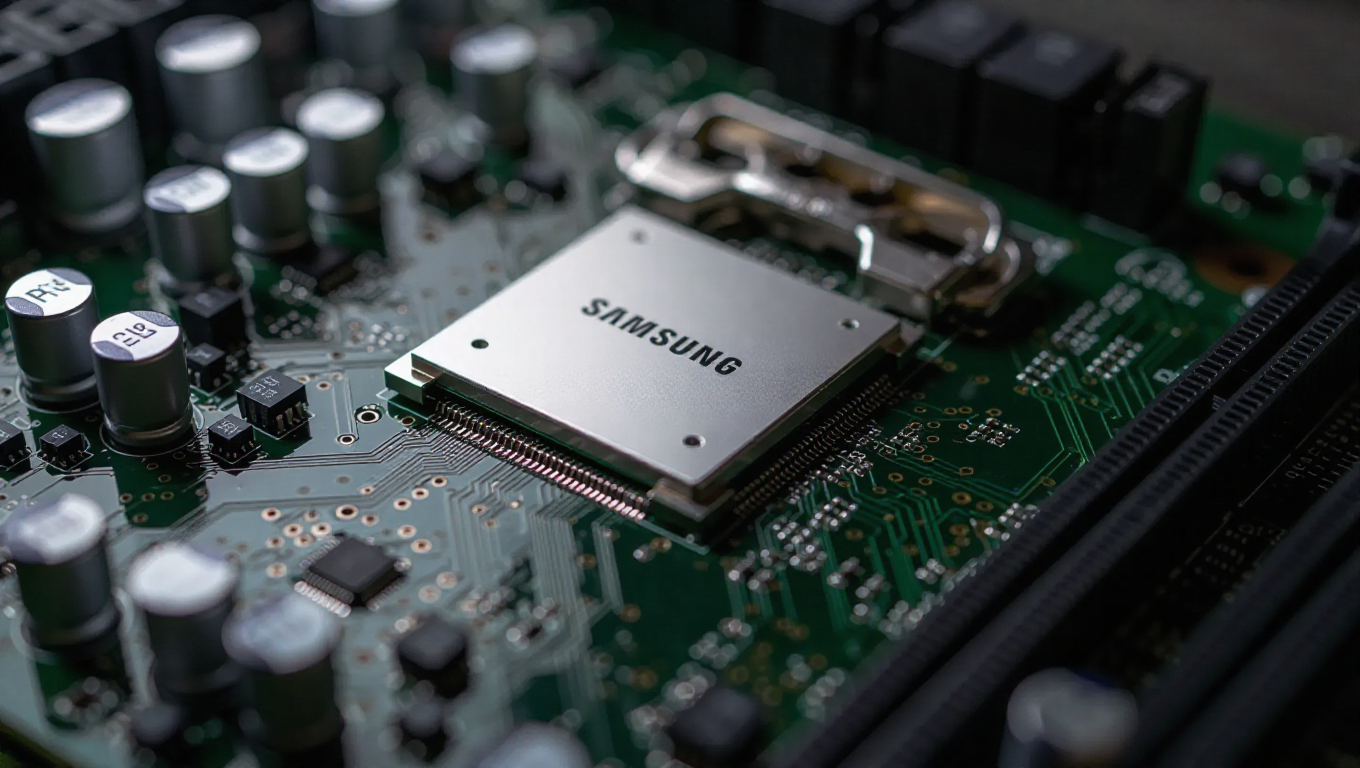
Samsung Reaffirms Commitment to Consumer SSD Market Amid Industry Shifts
In a clear statement addressing industry speculation, Samsung has confirmed it is not backing out of the consumer solid-state drive (SSD) market. This clarification comes as some hardware manufacturers are reportedly shifting resources toward business and artificial intelligence applications, potentially reducing their focus on consumer products.
Market Context and Competitive Moves
The storage industry is experiencing significant realignment as demand for AI infrastructure grows. Reports indicate that certain companies are redirecting manufacturing capacity and research toward enterprise and AI hardware, which often commands higher margins and more predictable demand cycles. This strategic pivot has led to speculation about broader exits from the consumer storage market.
One notable example involves a major memory manufacturer that recently announced it would cease selling RAM directly to consumers, instead focusing entirely on business-to-business sales to support AI development. Such moves have created uncertainty about the future availability of consumer-grade storage components from established brands.
Samsung's Position and Implications
Samsung's denial of exit rumors suggests the company sees continued value in the consumer SSD segment. As one of the world's largest memory manufacturers, Samsung maintains substantial production capacity across both consumer and enterprise product lines. Industry analysts note that consumer SSDs represent a significant revenue stream and help maintain brand visibility among general users.
The company's commitment to consumer SSDs may provide stability in a market experiencing some turbulence. For PC builders, gamers, and general users, Samsung's continued presence could mean maintained competition, ongoing innovation in consumer storage technology, and reliable supply chains for popular SSD models.
Future Outlook
While Samsung has clarified its consumer market intentions, the broader storage industry continues to evolve. The growing AI sector's hardware demands may influence product availability and pricing across all market segments. However, Samsung's statement suggests that major manufacturers can balance enterprise and consumer priorities rather than choosing exclusively between them.
Market observers will monitor whether other storage companies follow similar dual-track strategies or continue specializing in specific segments. Consumer SSD technology development, particularly around speed, capacity, and reliability, is expected to continue as manufacturers compete for market share.
Conclusion
Samsung's explicit denial of consumer SSD market exit rumors provides clarity during a period of industry transition. While some competitors are reallocating resources toward AI and enterprise markets, Samsung appears committed to maintaining its consumer storage business. This decision supports continued competition and innovation in consumer SSDs, benefiting users who rely on these components for personal computing needs. As AI hardware demands grow, the balance between consumer and enterprise focus will remain a key strategic consideration for storage manufacturers.