Samsung Ramps Up Automation in Galaxy Smartphone Production with New Robotic Systems
Samsung continues to expand its use of robotics in the manufacturing of Galaxy smartphones, introducing new automated systems that handle tasks previously performed by human workers. This shift toward greater automation reflects the company's ongoing investment in precision manufacturing and efficiency within its production facilities.
New Robot Handles Authentication Sticker Application
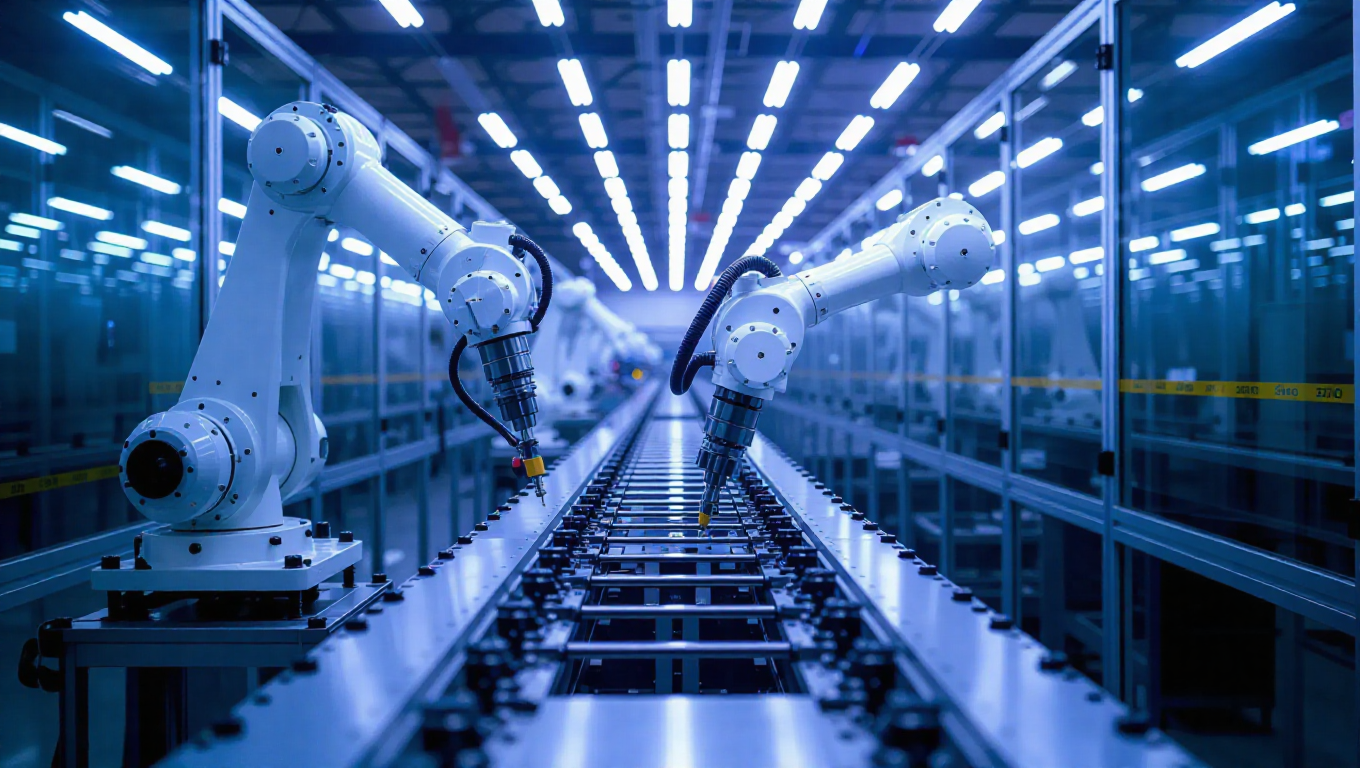
The latest addition to Samsung's automated production line is a robot specifically designed to apply authentication stickers to the back of Galaxy smartphones. While this task might appear straightforward, it requires careful pressure control to avoid damaging the phone's glass or plastic back panel. The robot utilizes a mechanical arm with advanced technology to execute the process safely and with improved precision compared to manual application.
It remains unclear whether this robotic system is being deployed across all of Samsung's smartphone factories or only in specific locations. The implementation represents another step in the gradual replacement of human-performed tasks with automated solutions in the company's manufacturing ecosystem.
Broader Automation Trend and Future Developments
This new sticker-application robot follows previous automation initiatives, including the deployment of autonomous mobile robots at Samsung Electro-Mechanics' manufacturing plant in Busan, South Korea, last year. The increased adoption of such systems has provided a significant boost to robotics suppliers involved in these projects.
Looking ahead, robotics developers are working on more advanced systems that could further transform smartphone manufacturing. One such development is a robotic arm with 21 degrees of freedom, which would enable more human-hand-like movements. While currently in the research phase, successful development could lead to Samsung utilizing such technology for additional complex tasks in Galaxy device production in the future.
Conclusion
Samsung's increasing reliance on robotics for Galaxy smartphone manufacturing underscores the industry-wide trend toward automation in electronics production. By replacing specific human-performed tasks with precise robotic systems, the company aims to enhance manufacturing consistency, reduce potential errors, and potentially improve overall production efficiency. As robotic technology continues to advance, particularly with developments like multi-degree-of-freedom arms, Samsung's factories may see even more sophisticated automation in the years to come, further transforming how smartphones are built.