Samsung Races to Upgrade Texas Chip Factory Amid Surging Demand
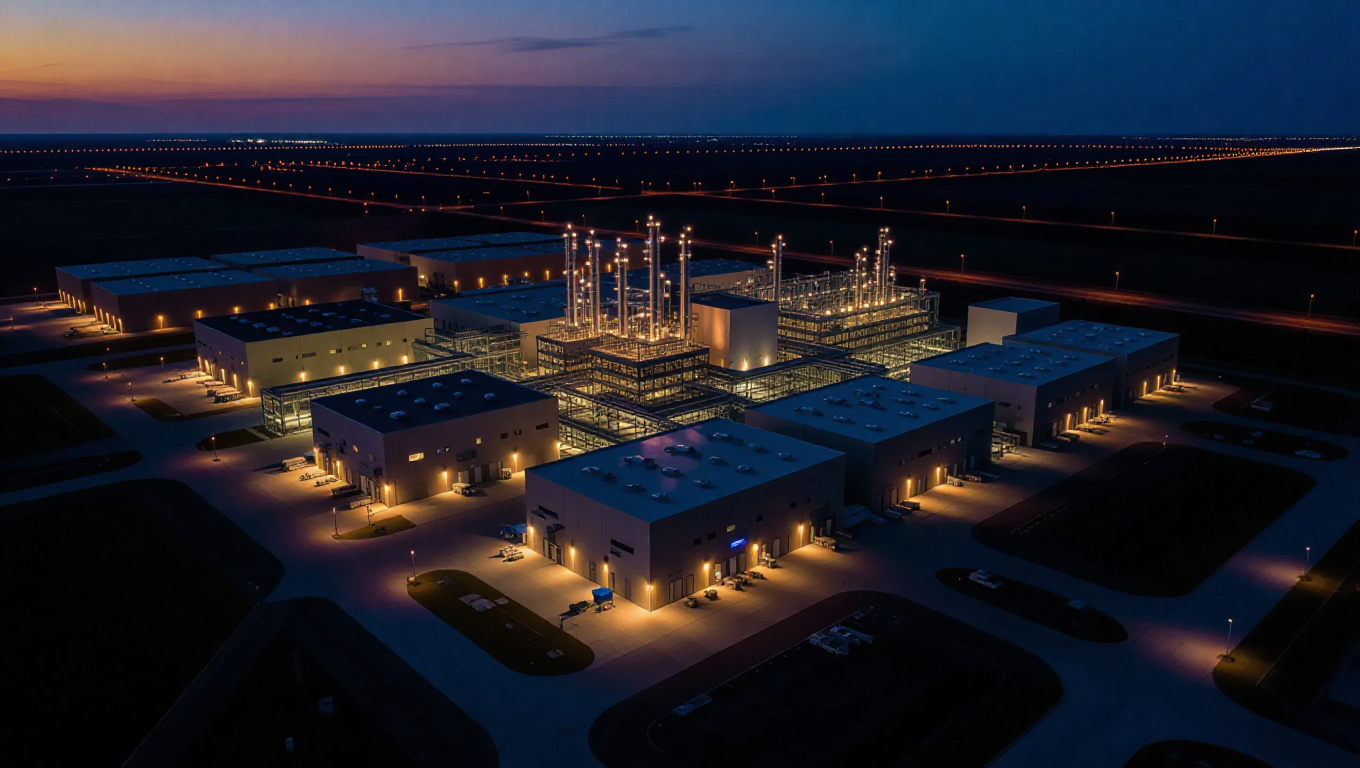
The semiconductor industry is experiencing a generational bull run, with Samsung positioned to capitalize on soaring demand for memory chips and advanced chipmaking technology. At the heart of this push is the company's massive facility in Taylor, Texas, where an aggressive upgrade plan is underway to transform its capabilities and output.
From 4nm to 2nm: A Major Technological Leap
Samsung's original plans for the Texas plant, a multi-billion dollar investment representing one of its largest outside South Korea, centered on 4nm process technology. However, the current market dynamics have prompted a significant acceleration. Reports indicate the company is now upgrading the facility to produce chips using a more advanced 2nm process. This move places Samsung's Texas operations on a competitive timeline with industry leader TSMC, which is ramping up its own 2nm production in Taiwan. For Samsung, succeeding with 2nm is crucial, especially after facing challenges with its previous 3nm node, as it vies for lucrative contracts in advanced computing and artificial intelligence.
More Than Doubling Production Capacity
The upgrade isn't just about making smaller, more powerful chips; it's also about making many more of them. Initial projections for the Texas factory's output were around 20,000 wafers per month. Current expectations now suggest that figure will surpass 50,000 wafers monthly—more than double the original target. This dramatic increase in capacity underscores the scale of demand Samsung is anticipating and its commitment to establishing a major manufacturing foothold in the United States.
Securing Major Clients in a Competitive Landscape
The rationale for this rapid expansion is clear: major clients are already committing. Notably, Tesla has signed a multi-billion dollar deal to have its next-generation AI chips manufactured at the upgraded Texas plant. Such high-profile agreements validate Samsung's strategy and investment, but also increase the pressure to deliver the enhanced facility on an accelerated schedule. The race is not just about building capacity but about securing and fulfilling orders from tech giants in a market where TSMC remains the dominant foundry player.
The High-Stakes Semiconductor Race
Samsung's push in Texas reflects the intense global competition in advanced semiconductor manufacturing. The facility's transformation into a 2nm powerhouse is a strategic bid to capture a larger share of the market for cutting-edge chips used in AI, automotive, and high-performance computing. While the upgrades promise significant future revenue, they also highlight the immense capital expenditures and execution challenges involved in staying at the forefront of chip technology. The success of this Texas expansion will be a key indicator of Samsung's ability to compete at the highest levels of the foundry business in the coming years.