Samsung Prioritizes 'Wide Fold' Over Galaxy Z TriFold in Foldable Strategy
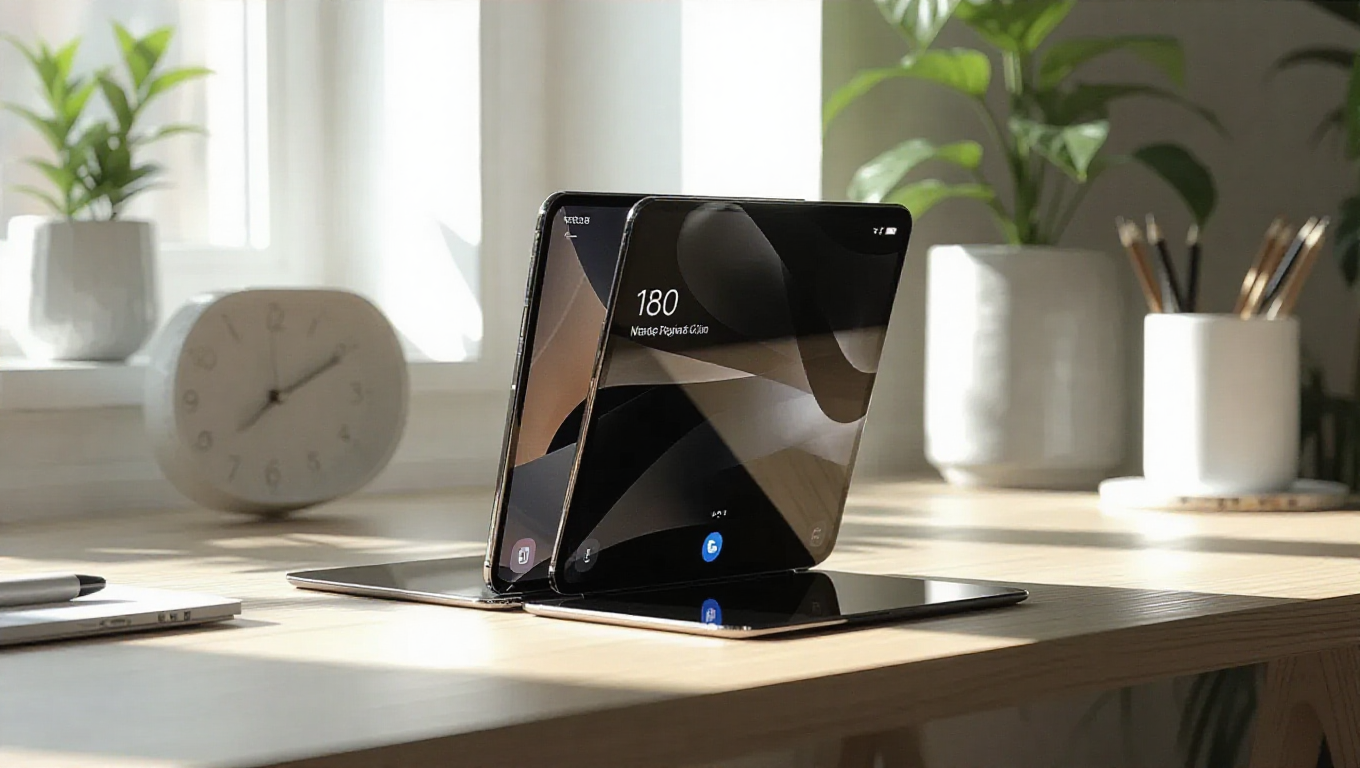
Samsung's foldable roadmap appears to be taking a decisive turn, with the company reportedly placing a significantly larger bet on an iPhone-inspired "Wide Fold" device than on its more experimental Galaxy Z TriFold. This production allocation suggests a strategic prioritization of a form factor that mimics anticipated market trends over pushing the boundaries of multi-fold technology.
A Tale of Two Production Runs
The core of this strategic shift lies in the stark contrast between production volumes. Reports indicate Samsung is planning an initial production run of approximately 1 million units for the upcoming "Wide Fold" device. This figure represents a substantial commitment, signaling confidence in the model's market potential. In contrast, the Galaxy Z TriFold, which features a more complex triple-folding design, is slated for a much more limited run of around 200,000 units.
This five-to-one ratio in planned production is a clear indicator of where Samsung believes the immediate commercial opportunity lies. The "Wide Fold" is described as emulating the design and form factor of a rumored foldable iPhone, suggesting Samsung aims to compete directly in a segment expected to be validated by Apple's entry. By aligning its product with this anticipated trend, Samsung may be seeking to capture early adopters looking for an Android alternative to a potential Apple foldable.
Strategic Implications for the Foldable Market
The heavier investment in the "Wide Fold" suggests a focus on mainstream adoption rather than pure technological showcase. A device that mimics a rumored iPhone design likely prioritizes a familiar, book-style fold that turns a phone into a small tablet—a form factor consumers are increasingly accustomed to through devices like the Galaxy Z Fold series. This approach minimizes user learning curves and leverages established design language.
The Galaxy Z TriFold, with its more ambitious triple-fold mechanism, represents the bleeding edge of form factor experimentation. Its limited production run positions it as a niche, halo product designed to showcase engineering prowess and gauge interest in more extreme transformations, rather than as a volume driver. This allows Samsung to continue innovating at the high end without diverting significant manufacturing resources from what it perceives as the next major volume play.
This move also reflects a calculated response to market dynamics. By preparing a high-volume competitor to a potential iPhone foldable, Samsung is positioning itself to not be caught off guard. It ensures a ready alternative exists in the Android ecosystem should Apple's entry catalyze a new wave of consumer interest in foldables, potentially safeguarding its market leadership.
Conclusion: Pragmatism Over Experimentation
Samsung's reported production plans reveal a pragmatic pivot within its foldable strategy. While the company continues to explore the frontiers of flexible display technology with the TriFold, its primary commercial bet is on a device that aligns with an emerging industry standard hinted at by its biggest rival. The "Wide Fold" project, with its million-unit target, is poised to be the workhorse in Samsung's 2026 foldable lineup, aiming to convert broader consumer interest into sales. The Galaxy Z TriFold, meanwhile, will serve as a technological flagship, demonstrating capability but playing a secondary role in volume terms. This dual-track approach allows Samsung to cover both the immediate, volume-driven opportunity and the long-term innovative frontier, but the numbers clearly show which path is receiving the greater resource commitment for the near future.