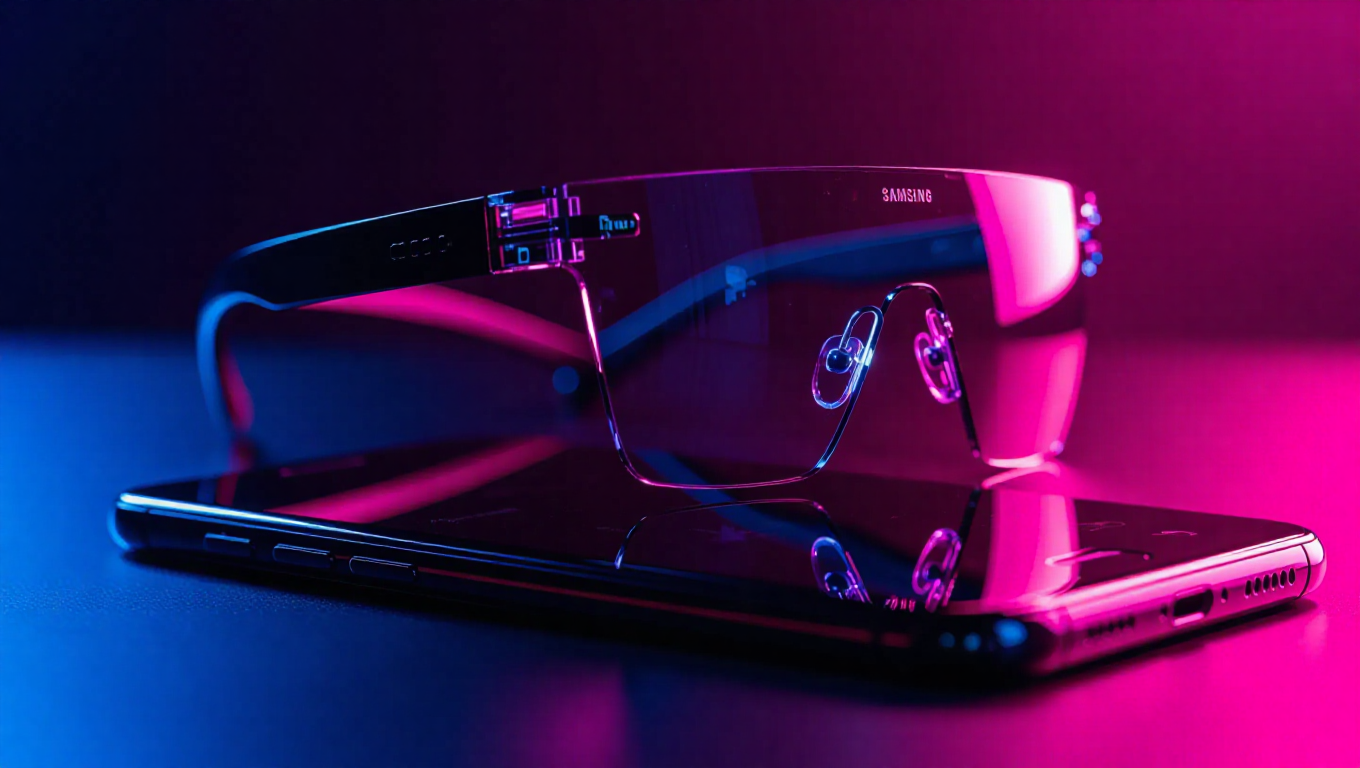
Samsung Prepares Software Infrastructure for Upcoming Smart Glasses Launch
Samsung appears to be laying the final software groundwork for the launch of its long-anticipated smart glasses. A recent update to a core connectivity feature on Galaxy devices strongly suggests the company is on the cusp of entering the competitive wearable augmented reality (AR) market, setting the stage for a potential 2025 debut.
Software Update Hints at Imminent Hardware
The clearest signal comes from an update to Samsung's Nearby Device Scanning feature. This system, which facilitates seamless pairing between Galaxy smartphones/tablets and accessories like smartwatches, has been updated to include explicit support for "Glasses Quickpair." This new component is designed specifically for the quick and easy connection of smart glasses to a user's primary mobile device, a critical requirement for a smooth user experience. This software-level preparation is a classic precursor to a hardware launch, indicating that the glasses have moved from the development lab into final pre-production stages.
Strategic Timing and Market Context
The update's timing aligns with Samsung's broader software roadmap. It also brings support for the upcoming One UI 8.5, the next major version of Samsung's Android skin expected to launch in the coming months. This suggests the smart glasses are being developed to integrate deeply with Samsung's ecosystem from day one. The move positions Samsung to compete directly with other tech giants in the smart glasses arena. The market has seen renewed interest with products like Meta's Ray-Ban smart glasses, and Apple's established presence with the Vision Pro headset. Samsung's entry, potentially comprising two different models, would offer a Galaxy-ecosystem alternative, leveraging its existing user base and accessory ecosystem, including smartwatches and rings.
What to Expect from Samsung's Glasses
While full specifications remain under wraps, the focus on "Quickpair" underscores a priority on convenience and seamless integration. Users can likely expect the glasses to function as a companion display or audio device for their Galaxy phone, handling notifications, calls, media playback, and possibly offering basic AR overlays for navigation or information. The success of such a device will hinge not just on the hardware design—making them socially acceptable and comfortable to wear—but on this very kind of frictionless software connectivity that Samsung is now actively implementing.
Conclusion: The Stage is Set
Samsung's software update is more than a routine patch; it is a deliberate step in paving the way for a new product category. By baking support for smart glasses into its core device connectivity layer, Samsung is ensuring that when the hardware is ready for consumers, the software experience will be polished and integrated. This development confirms that Samsung's smart glasses project is advancing from rumor to reality, with a launch window potentially narrowing to the latter half of 2025. The stage is now set for Samsung to unveil its vision for everyday wearable AR.