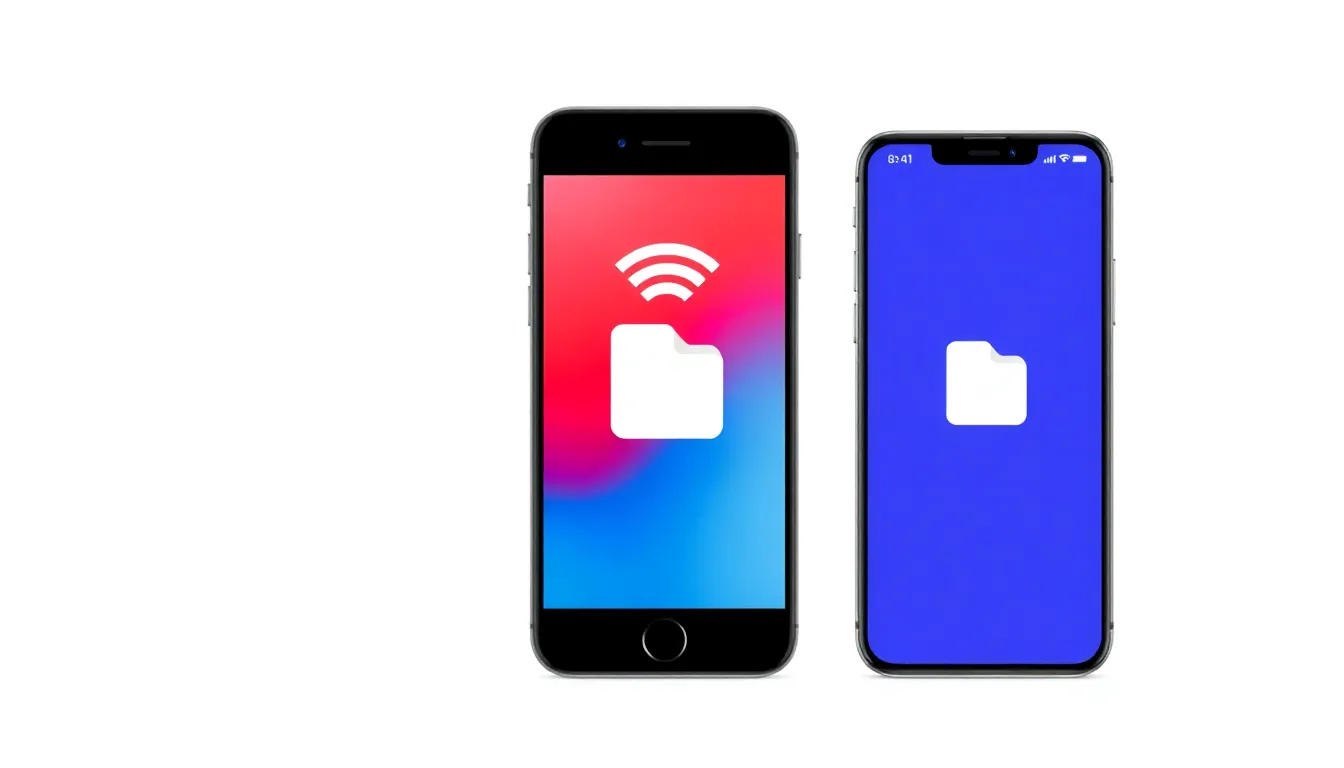
Samsung Phones to Gain AirDrop Compatibility with Apple Devices via Quick Share Update
In a significant move toward cross-platform interoperability, Google has announced that its Quick Share feature now supports AirDrop transfers, bridging the long-standing gap between Android and Apple ecosystems. This development means Samsung Galaxy phones and other Android devices will soon be able to seamlessly share files with iPhones, iPads, and Macs without requiring additional applications.
Breaking Down Platform Barriers
The newly implemented functionality represents a major breakthrough in mobile connectivity. Previously, Android users faced significant hurdles when attempting to share files with Apple device owners, often resorting to third-party apps or cloud services. With this update, Quick Share will utilize AirDrop's "Everyone for 10 minutes" mode, enabling direct file transfers between the previously incompatible platforms.
The technology relies on Bluetooth for device discovery and Wi-Fi Direct for actual file transmission, ensuring that data never passes through external servers. This peer-to-peer approach maintains user privacy and security while providing the convenience of direct sharing. Independent security experts have verified the implementation's safeguards, confirming the feature's reliability for everyday use.
How the Cross-Platform Sharing Works
The integration works bidirectionally, meaning Android users can both send files to Apple devices and receive files from them. When an iPhone user activates AirDrop's "Everyone for 10 minutes" mode, compatible Android devices will appear in their sharing list. Similarly, Android users can initiate transfers to Apple devices through the Quick Share interface.
Currently, the feature is available on Google's Pixel 10 series, serving as the initial testing ground. However, the broader Android ecosystem, including Samsung Galaxy devices, is expected to receive this capability through future software updates. The rollout timeline for Samsung devices hasn't been specified, but the integration is anticipated to reach most modern Android smartphones in the coming months.
Technical Implementation and Limitations
Notably, Google developed this interoperability without Apple's direct involvement or cooperation. The company used its own implementation to achieve AirDrop compatibility, a technical accomplishment that required extensive development and security testing. While this independent approach demonstrates Google's technical capabilities, it does come with certain limitations.
The current implementation only supports AirDrop's "Everyone for 10 minutes" mode and cannot access the more restrictive "Contacts Only" option that many Apple users prefer for security reasons. Google has expressed interest in collaborating with Apple to expand this functionality, but such cooperation would require Apple's willingness to participate in cross-platform development.
Future Implications and Industry Impact
This development marks a significant step toward reducing the artificial barriers between competing mobile platforms. For consumers who regularly interact with friends, family, or colleagues using different operating systems, the update promises to eliminate one of the most persistent pain points in mobile connectivity.
The feature's expansion to Samsung devices will particularly benefit users of Galaxy smartphones and tablets, given Samsung's substantial market share in the Android ecosystem. As one of the largest Android manufacturers, Samsung's adoption of this cross-platform capability will make interoperable file sharing accessible to millions of users worldwide.
Conclusion
The integration of AirDrop compatibility into Android's Quick Share represents a watershed moment for cross-platform file sharing. While currently limited to Pixel devices, the impending expansion to Samsung Galaxy phones and other Android manufacturers signals a new era of interoperability between competing mobile ecosystems. This development not only enhances user convenience but also demonstrates how technological innovation can overcome platform exclusivity, potentially paving the way for further collaboration between industry giants in the future.