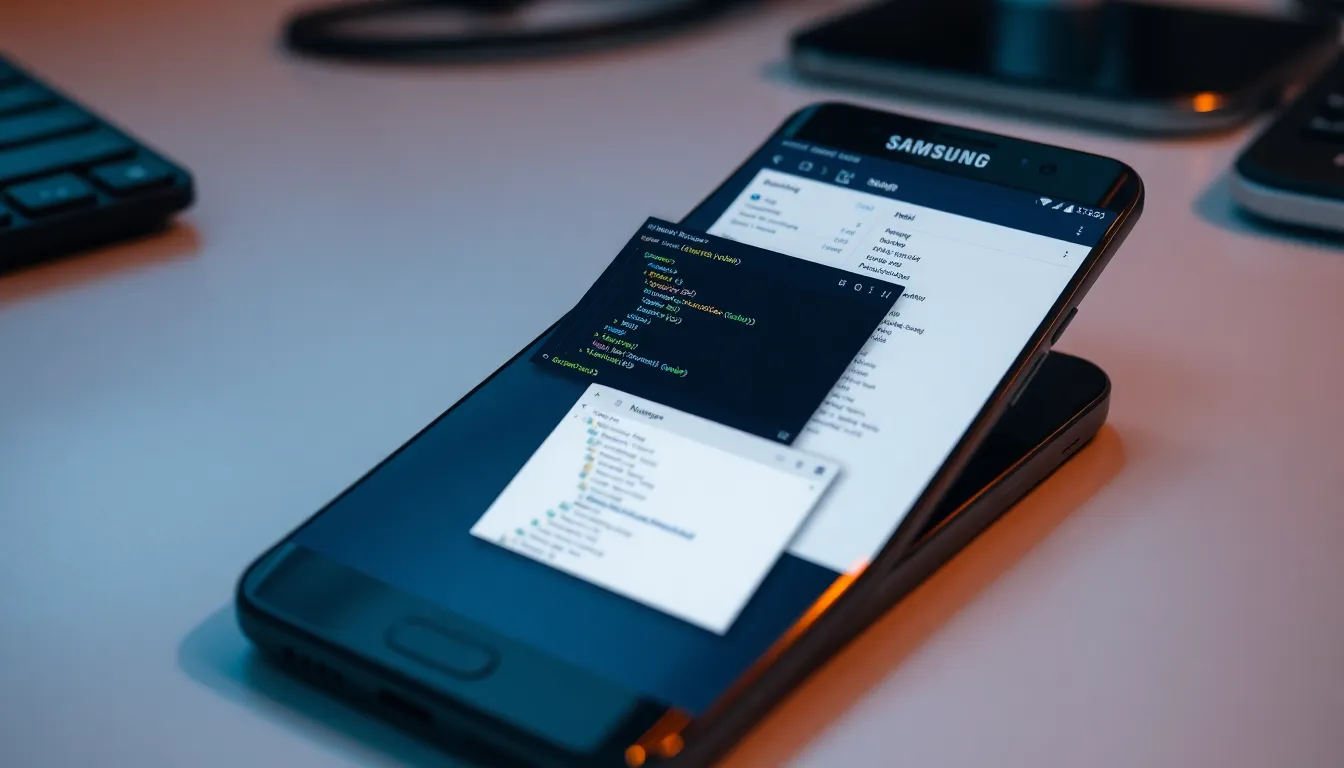
Samsung Phones Gain Enhanced Linux Terminal Capabilities with One UI 8.5
Samsung's latest software update, One UI 8.5, is delivering substantial improvements to the Linux Terminal functionality on compatible Galaxy smartphones. This enhancement represents a significant step forward for developers, power users, and tech enthusiasts who leverage Linux environments on mobile devices.
Expanded Functionality for Linux Environments
The Linux Terminal feature, originally introduced with Android 16, allows users to run Linux distributions directly on supported smartphones and tablets. With One UI 8.5, Samsung has incorporated key upgrades that were first seen in Android 16 QPR2, bringing these capabilities to Exynos-powered Galaxy devices.
The most notable improvement is the addition of graphical application support. Previously limited to command-line interfaces, users can now run Linux applications with graphical user interfaces directly on their Samsung phones. This opens up possibilities for running desktop-class software, development tools, and various productivity applications that require visual interfaces.
Another significant enhancement is expanded storage access. The updated Linux Terminal now provides broader access to the device's file system, allowing users to work with files across different directories more seamlessly. This improvement facilitates better integration between the Linux environment and the native Android file system, making file management and data transfer more efficient.
Compatibility and Implementation
These Linux Terminal upgrades are specifically available on Exynos-powered Samsung devices running One UI 8.5. The feature builds upon Google's original implementation while adding Samsung's optimizations through their custom Android skin. The integration demonstrates how manufacturers can extend and enhance core Android features to provide additional value to users.
The enhanced Linux Terminal functionality positions Samsung devices as more versatile tools for developers and technical users who require access to Linux environments while on the go. This could potentially reduce the need for carrying multiple devices or setting up complex remote access solutions for development work.
Conclusion
Samsung's implementation of enhanced Linux Terminal capabilities through One UI 8.5 represents a meaningful advancement for mobile computing. By bringing graphical application support and expanded storage access to Exynos-powered Galaxy devices, Samsung is catering to the growing demand for more powerful and flexible mobile development environments. These improvements not only enhance the utility of Samsung smartphones for technical users but also demonstrate the continued evolution of mobile operating systems toward more desktop-like capabilities. As mobile devices become increasingly powerful, features like these bridge the gap between mobile convenience and desktop functionality, potentially changing how developers and power users approach mobile computing.