Samsung Offers Partial Solution for Smart Refrigerator Ads Controversy
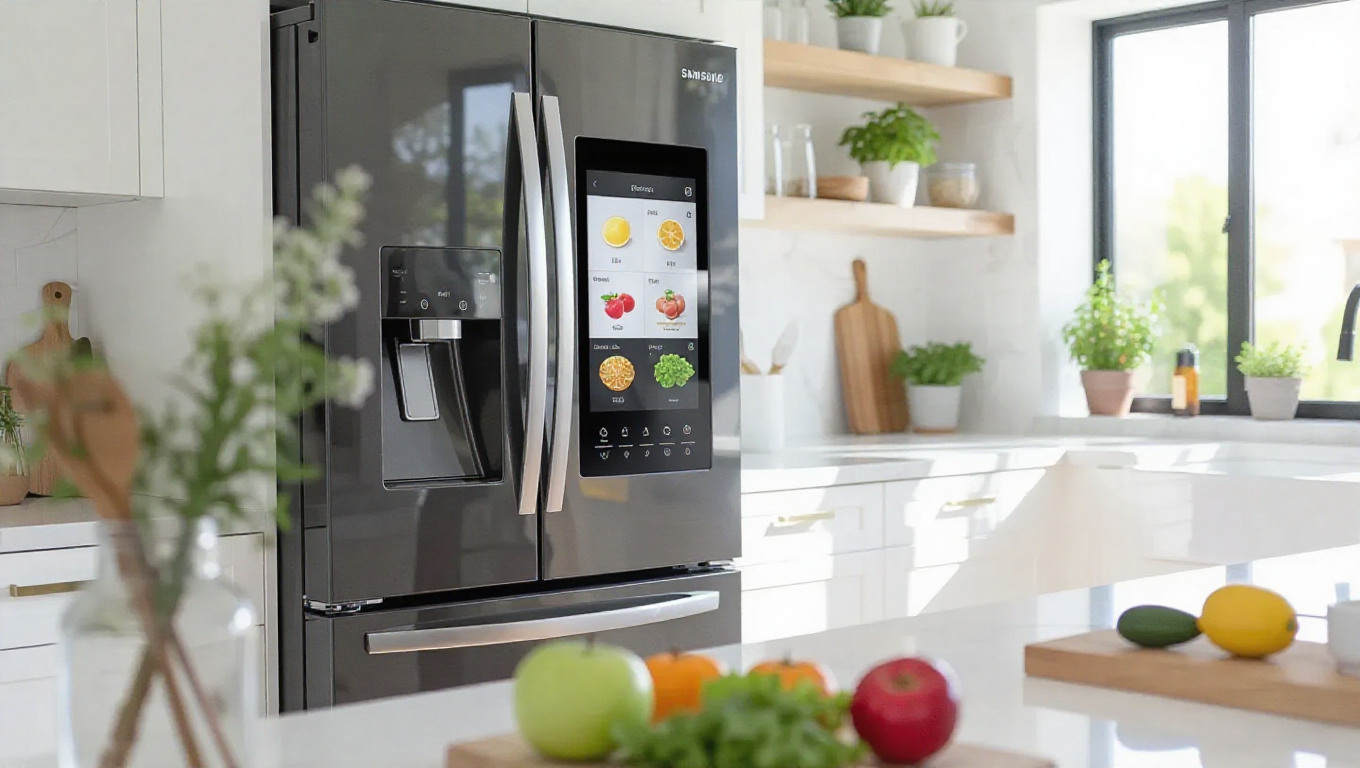
In a move that addresses mounting consumer frustration, Samsung has introduced a significant update to its Family Hub smart refrigerators that provides users with more control over the advertising experience on their appliance screens. The development comes months after the company first announced it would begin serving advertisements on refrigerator displays, sparking widespread criticism from consumers and industry observers alike.
The Advertising Dilemma
Earlier this year, Samsung confirmed it would begin displaying advertisements on the screens of its Family Hub refrigerators, marking a controversial expansion of digital advertising into household appliances. The initial implementation presented users with a difficult choice: either tolerate the advertisements or disable them entirely, which would also mean losing access to useful widget functionality including weather forecasts and other smart features.
This all-or-nothing approach drew significant backlash from consumers who had paid premium prices for smart refrigerators only to find themselves subjected to advertising in their own kitchens. Many users expressed frustration that they were essentially being forced to choose between intrusive ads and losing functionality they had paid for.
The New Compromise
The latest software update represents a meaningful compromise in this ongoing saga. Reports indicate that Samsung has now implemented a more granular approach to ad management, allowing users to disable advertisements while still retaining access to the weather widget and potentially other core features. This addresses one of the primary complaints about the initial implementation, which tied essential functionality to advertising acceptance.
While this represents progress, it's worth noting that the solution appears to be partial rather than comprehensive. The exact scope of which features remain available when ads are disabled remains unclear, and whether this represents a permanent policy change or a temporary concession remains to be seen.
Broader Implications
This development highlights the ongoing tension between manufacturers' desire to create new revenue streams through advertising and consumers' expectations of privacy and control over their purchased devices. The smart appliance market has increasingly become a battleground for these competing interests, with manufacturers exploring various monetization strategies beyond the initial sale price.
The situation also raises questions about the future of smart home devices and whether advertising will become a standard feature across connected appliances. As more manufacturers consider similar approaches, Samsung's experience with consumer pushback and subsequent adjustment may serve as a cautionary tale for the industry.
Looking Forward
While the new option to disable ads without losing weather functionality represents a step in the right direction, it remains to be seen whether Samsung will continue to refine its approach to advertising on smart appliances. Consumer advocacy groups and individual users will likely continue to push for more comprehensive control over the advertising experience on devices they own.
The evolution of this situation will be closely watched by both consumers and industry players, as it may set important precedents for how advertising is implemented on smart home devices moving forward. For now, Family Hub owners at least have more choice than they did just months ago, though the fundamental question of whether advertising belongs on premium appliances at all remains unanswered.