Samsung's Next Camera Innovation Could Be a Galaxy S9 Throwback
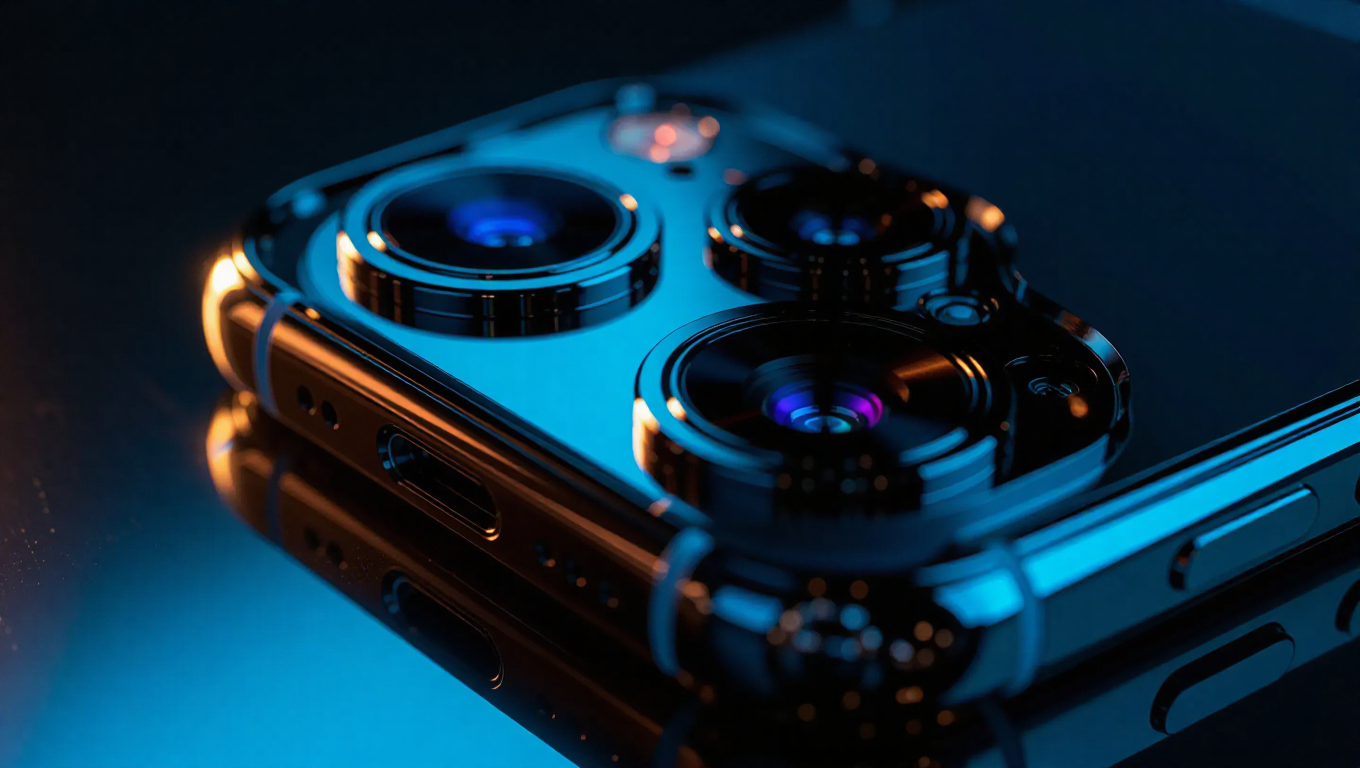
In the ever-evolving smartphone camera race, Samsung appears to be looking to its past for future innovation. Recent industry whispers suggest the company is exploring the return of variable aperture camera technology—a feature prominently featured on the 2018 Galaxy S9 series but absent from recent flagship models.
The Return of a Classic Feature
Variable aperture technology allows a camera to physically adjust its opening size, much like professional DSLR and mirrorless cameras. This capability enables photographers to control depth of field and light intake more precisely. On the Galaxy S9, this manifested as a dual-aperture system (f/1.5 and f/2.4) that could switch between settings depending on lighting conditions.
The technology's potential revival comes as smartphone manufacturers seek new ways to differentiate their camera systems beyond megapixel counts and sensor sizes. While computational photography has advanced significantly since 2018, hardware-level innovations like variable apertures offer distinct advantages that software alone cannot replicate.
Competitive Landscape Shifts
This development appears strategically timed. Reports indicate that Apple's 2026 iPhone Pro models may incorporate similar variable aperture technology, potentially giving them a significant hardware advantage in mobile photography. Samsung's testing of this technology suggests the company aims to maintain competitive parity in the high-end smartphone market.
The timing is particularly interesting given the cyclical nature of smartphone innovation. Features once considered cutting-edge often resurface years later with improved implementation and better supporting technology. Variable aperture systems in 2026 or beyond would likely benefit from more advanced motors, better sealing, and integration with modern computational photography algorithms.
Technical Considerations and Challenges
Implementing variable aperture technology in modern smartphones presents both opportunities and challenges. The mechanical components required for smooth aperture adjustment must fit within increasingly slim device profiles while maintaining durability. Additionally, manufacturers must ensure these moving parts don't compromise water and dust resistance ratings.
Modern variable aperture systems would likely offer more granular control than the dual-aperture approach of the Galaxy S9. This could enable creative photography options previously limited to professional cameras, such as precise bokeh control and improved low-light performance without sacrificing detail in bright conditions.
Market Implications
If Samsung successfully reintroduces variable aperture technology, it could signal a broader industry shift toward more sophisticated camera hardware. While computational photography will continue to play a crucial role, the combination of advanced hardware and intelligent software could push mobile photography closer to professional camera capabilities.
This potential development also highlights how smartphone manufacturers are increasingly looking to differentiate through specialized camera features rather than general specifications. As basic camera performance reaches parity across flagship devices, unique capabilities like variable apertures could become key selling points.
Conclusion
The potential return of variable aperture technology to Samsung smartphones represents more than just nostalgia for Galaxy S9 features. It demonstrates how mature smartphone markets are driving manufacturers to revisit and refine past innovations with modern technology. As the camera remains a primary battleground for premium smartphones, hardware-level innovations like variable apertures could become increasingly important differentiators.
While these developments remain speculative based on current rumors, they point to an exciting direction for mobile photography. The combination of revived hardware innovations with six years of computational photography advancements could produce results far beyond what the Galaxy S9 achieved, potentially setting new standards for what smartphone cameras can accomplish.