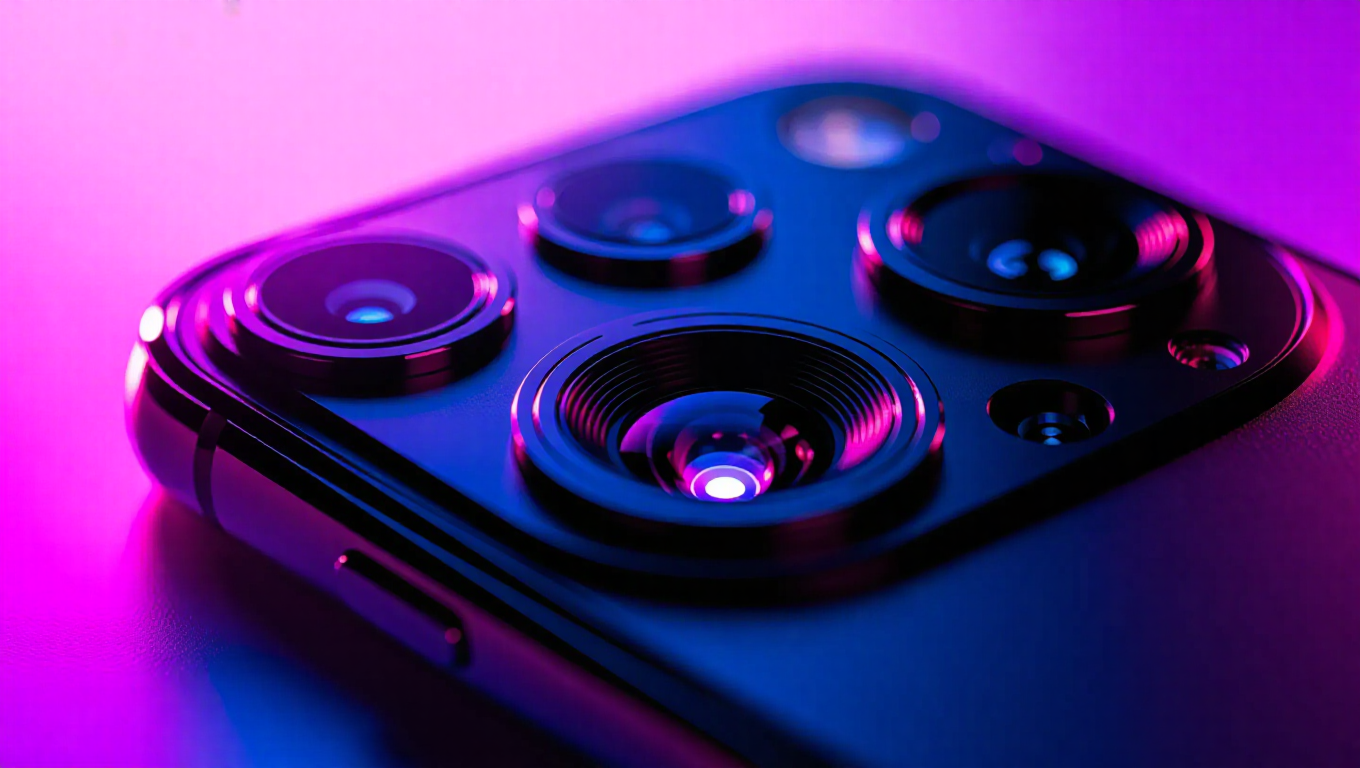
Samsung May Revive Variable Aperture Camera Feature Following Apple Rumors
In the competitive smartphone market, innovation often follows a circular path, with companies revisiting previously abandoned technologies when market dynamics shift. Recent developments suggest Samsung may be preparing to reintroduce a camera feature it discontinued four years ago, potentially influenced by competitor movements.
The Return of Variable Aperture
Samsung is reportedly evaluating the reintroduction of variable aperture technology to its flagship smartphone cameras. The company previously featured this technology in its Galaxy S9 and S10 series, allowing users to switch between different aperture settings (typically f/1.5 and f/2.4) to control depth of field and light intake. However, this feature was removed with the Galaxy S20 generation in 2020 and hasn't appeared in Samsung's smartphones since.
The timing of this reconsideration appears significant. Apple is widely expected to introduce variable aperture cameras in its iPhone 18 Pro and Pro Max models later this year. This potential move by Apple seems to have prompted Samsung to reevaluate its own camera strategy, highlighting how competitor announcements can influence product development cycles across the industry.
Technical Considerations and Timeline
While Samsung hasn't made a final decision, the company has reportedly requested development of variable aperture components from its supply chain partners. Both Samsung Electro-Mechanics and MCNEX are said to be producing variable aperture samples for evaluation by Samsung Electronics. This suggests serious consideration rather than mere speculation.
If Samsung proceeds with reintroducing variable aperture, the feature would likely debut with the Galaxy S27 family in 2027. This would mark a seven-year gap since the technology last appeared in Samsung devices. The extended hiatus raises questions about why the feature was originally discontinued and what technical or market factors have changed to make it viable again.
Industry Implications
The potential revival of variable aperture technology illustrates several industry trends. First, it demonstrates how smartphone manufacturers sometimes abandon features only to reconsider them years later when technological advancements or competitive pressures change. Second, it highlights the ongoing camera technology arms race, where companies continuously seek differentiation through photographic capabilities.
Variable aperture offers practical benefits for mobile photography. By allowing users to adjust the aperture, smartphones can provide greater creative control over depth of field, enabling more professional-looking portrait shots with blurred backgrounds. The technology also helps manage light intake in different shooting conditions, potentially improving low-light performance when using wider apertures.
Conclusion
The smartphone industry's cyclical nature is evident in Samsung's potential return to variable aperture cameras. What was once considered unnecessary or technically challenging may become a competitive necessity as Apple prepares to introduce similar technology. While final decisions remain pending, Samsung's evaluation of this feature revival demonstrates how closely competitors monitor each other's moves and how abandoned technologies can find new life in response to market shifts.
As camera technology continues to be a primary battleground for smartphone differentiation, consumers may benefit from renewed innovation in areas previously considered settled. The potential return of variable aperture represents not just a technical feature revival but a broader pattern of technological reconsideration driven by competitive dynamics in the mobile industry.