Samsung Galaxy Z TriFold: The Complete Guide to Samsung's First Triple-Folding Phone
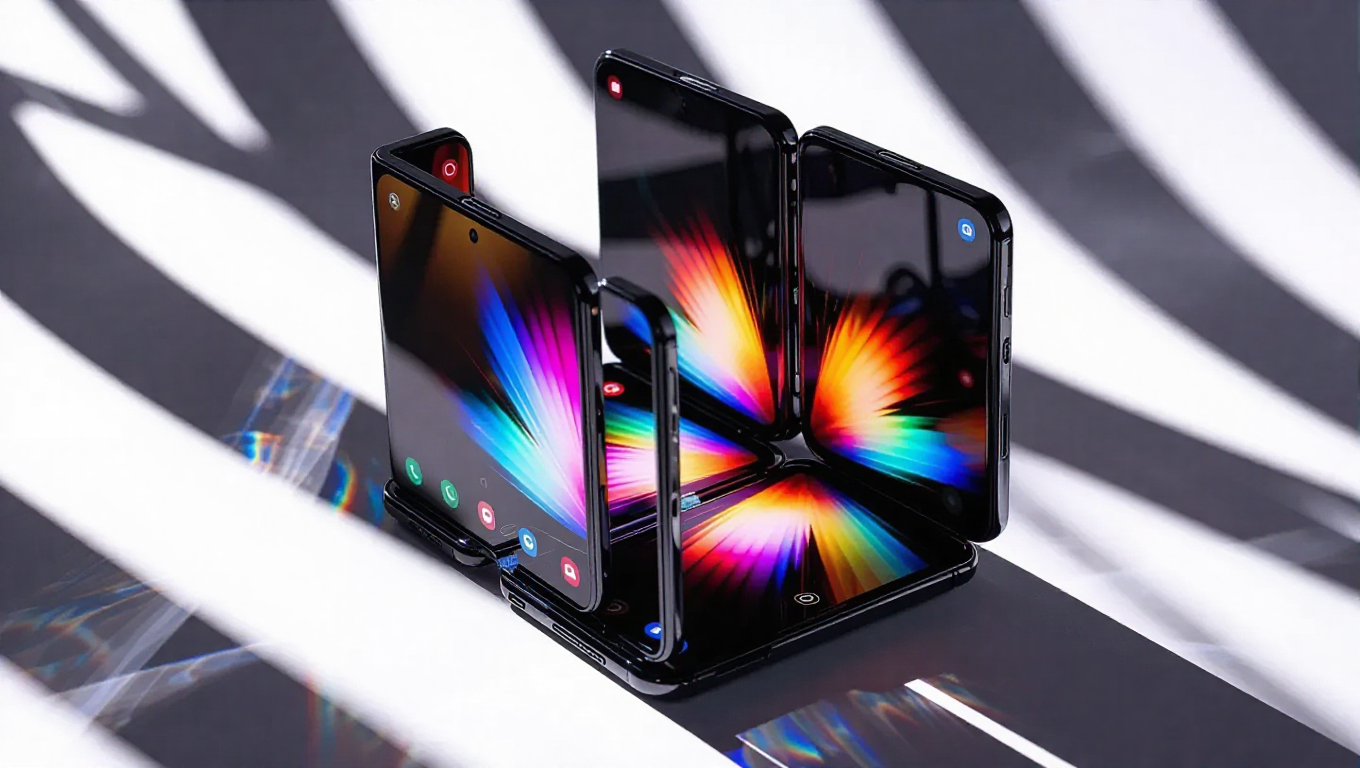
Samsung has unveiled its most ambitious foldable yet: the Galaxy Z TriFold. As the first triple-folding smartphone in Samsung's lineup, this device represents a significant evolution beyond the familiar Z Fold and Z Flip models. Designed for users who demand both portability and expansive screen real estate, the TriFold aims to bridge the gap between smartphone convenience and tablet productivity.
Design and Build
The Galaxy Z TriFold employs an inward-folding design with two hinges that allow both sides to fold over the main display, providing full protection when closed. At just 3.9mm thick when fully unfolded and 12.9mm when folded, the device maintains a surprisingly slim profile despite its complex mechanism. Weighing 309g, it's substantial but reasonable for a device with a 10-inch screen.
Samsung has implemented intelligent folding guidance with on-screen warnings and vibrations to prevent incorrect folding sequences—the left side must fold first, followed by the right side containing the camera module. Unlike the Z Fold series, the TriFold doesn't support Flex Mode; it's designed for either fully folded or fully unfolded use, requiring accessories like standing cases for angled viewing.
The device features Samsung's most advanced hinge system to date, reinforced displays for durability, and an IP48 water resistance rating. The carbon fiber construction contributes to both strength and premium aesthetics.
Display Technology
The TriFold boasts two displays: a massive 10-inch Dynamic AMOLED 2X main panel with QXGA+ resolution and a 6.5-inch FHD+ cover screen. Both support 120Hz adaptive refresh rates for smooth scrolling and interactions.
The internal display reaches up to 1,600 nits brightness for outdoor visibility, while the cover screen peaks at approximately 2,600 nits, making it exceptionally readable in direct sunlight. The main screen's expansive real estate enables true multitasking with up to three apps running side-by-side in full screen, with intelligent app resizing and landscape-optimized interfaces for productivity applications.
Performance and Specifications
Powering the TriFold is the Snapdragon 8 Elite for Galaxy chipset, Qualcomm's top-tier processor optimized specifically for Samsung devices. This is paired with 16GB of RAM and storage options of 512GB or 1TB using UFS 4.1 technology.
The device houses a substantial 5,600mAh three-cell battery—Samsung's largest in any foldable—distributed across the three sections for balanced weight distribution. It supports 45W wired charging (a first for Samsung foldables), wireless charging, and reverse wireless charging for accessories.
Connectivity features include 5G, Wi-Fi 7, Bluetooth 5.4, and Ultra Wideband (UWB) technology. Security is handled by a capacitive fingerprint sensor embedded in the power button rather than an in-display solution.
Camera System
The camera setup mirrors that of the Galaxy Z Fold 7, featuring a triple rear array: a 200MP main sensor with optical image stabilization, a 12MP ultra-wide camera with autofocus, and a 10MP telephoto lens offering 3x optical zoom with OIS. Both the cover and inner displays house 10MP selfie cameras for video calls and photography.
Conclusion
The Samsung Galaxy Z TriFold represents a bold step forward in foldable technology, offering a unique solution for users who prioritize screen size without sacrificing portability. While its dual-hinge design introduces some limitations compared to single-hinge foldables, the expansive display and productivity-focused features create compelling use cases for professionals and power users. As Samsung's first entry into triple-folding territory, the Galaxy Z TriFold sets a new benchmark for what's possible in mobile device form factors.