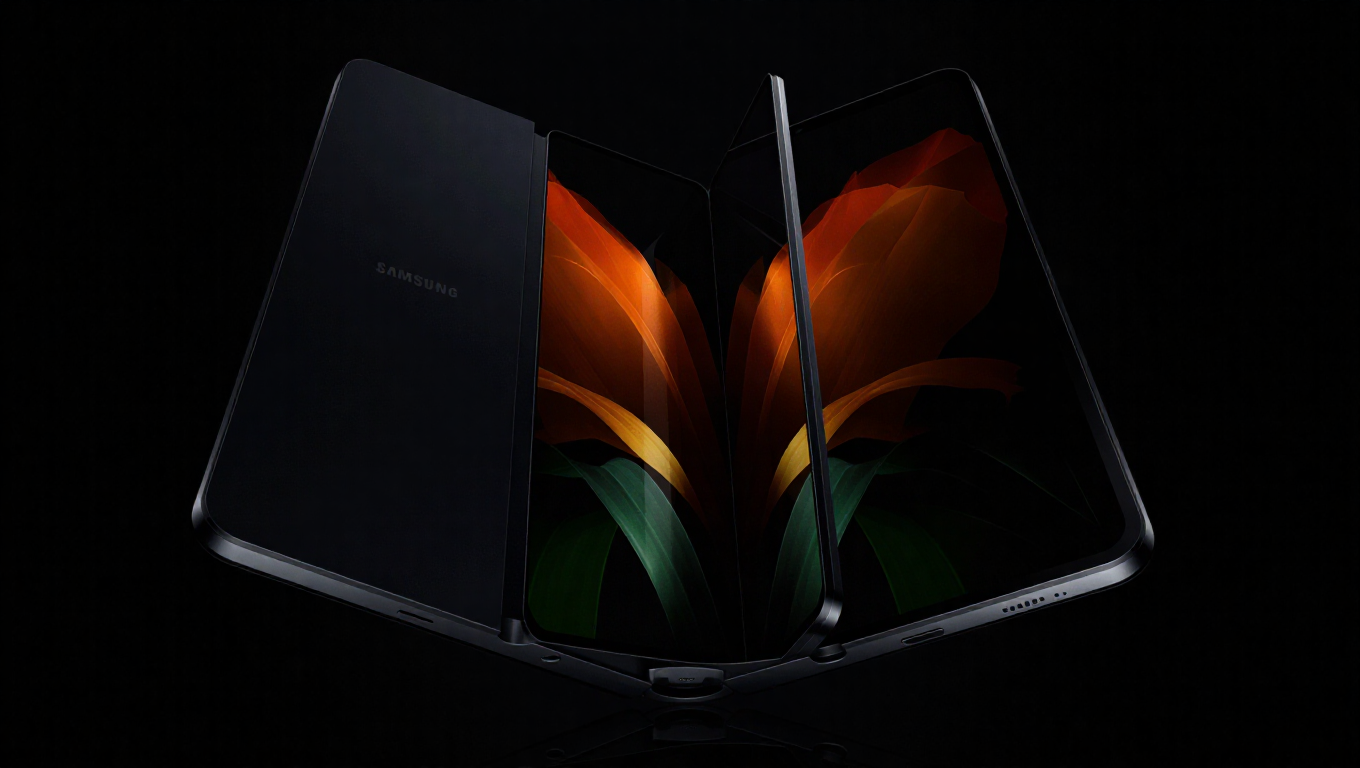
Samsung Galaxy Z TriFold Said to Cost Less Than Expected, But Still Pricey
Samsung's highly anticipated entry into the tri-fold smartphone market appears to be approaching its commercial debut with pricing details emerging that suggest a more accessible, though still premium, positioning than initially anticipated. The Galaxy Z TriFold, expected to launch in Korea next month, represents Samsung's most ambitious foldable device to date.
Revised Pricing Structure
Recent reports indicate the Galaxy Z TriFold will carry a price tag of approximately 3.6 million won ($2,447) in its home market of South Korea. While this remains a substantial investment for a smartphone, it represents a notable reduction from earlier estimates that placed the device around 4 million won ($2,720). This revised pricing strategy suggests Samsung may be aiming to balance the cutting-edge technology with market accessibility.
The device is expected to be available through Samsung's direct sales channels and will reportedly launch in a single color option with one storage configuration. This streamlined approach to variants could help simplify manufacturing and potentially contribute to the more favorable pricing structure.
Technical Specifications and Features
The Galaxy Z TriFold is rumored to feature a sophisticated display system comprising a 10-inch inner screen when fully unfolded and a 6.5-inch cover display for conventional smartphone use. This triple-panel design represents a significant evolution from current dual-screen foldable devices, offering substantially more screen real estate while maintaining pocketability.
Camera capabilities appear to be a major focus, with reports suggesting a 200-megapixel primary rear camera sensor. This would position the device at the forefront of mobile photography, potentially offering unprecedented detail and versatility for creative professionals and photography enthusiasts. The device is also expected to house a substantial 5,437mAh battery, which should provide adequate power for the expansive display system.
Market Positioning and Implications
The pricing strategy for the Galaxy Z TriFold places it firmly in the premium segment of the smartphone market, though the revised figures suggest Samsung may be responding to market feedback about foldable device affordability. At approximately $2,447, the device would still command a significant premium over traditional flagship smartphones and even existing foldable models, but the reduction from earlier estimates could make it more palatable to early adopters.
The tri-fold form factor represents the next frontier in flexible display technology, potentially bridging the gap between smartphones and tablets more effectively than current foldable designs. The reported specifications suggest Samsung is positioning this device as a productivity powerhouse, capable of replacing multiple devices for users who require extensive screen space for work or entertainment.
Industry Context and Competition
Samsung's move into the tri-fold space comes as the foldable market continues to mature and differentiate. While several Chinese manufacturers have shown tri-fold prototypes, Samsung appears poised to be among the first to bring a commercially viable tri-fold device to market at scale. The company's experience with foldable technology across multiple generations of the Galaxy Z Fold and Flip series provides a solid foundation for this more complex form factor.
The pricing strategy may also reflect lessons learned from earlier foldable launches, where high initial prices limited market penetration. By adjusting expectations downward while maintaining a premium positioning, Samsung may be attempting to balance innovation with commercial viability.
Conclusion
The Samsung Galaxy Z TriFold represents a significant step forward in flexible display technology, with its revised pricing suggesting a more calculated approach to market entry than initially anticipated. While still positioned as a premium device with a substantial price tag, the reported 3.6 million won price point indicates Samsung may be learning from previous foldable launches and adjusting its strategy accordingly.
As the device approaches its expected Korean launch next month, the industry will be watching closely to see how consumers respond to this new form factor and whether the revised pricing strategy proves effective in driving adoption of this cutting-edge technology.