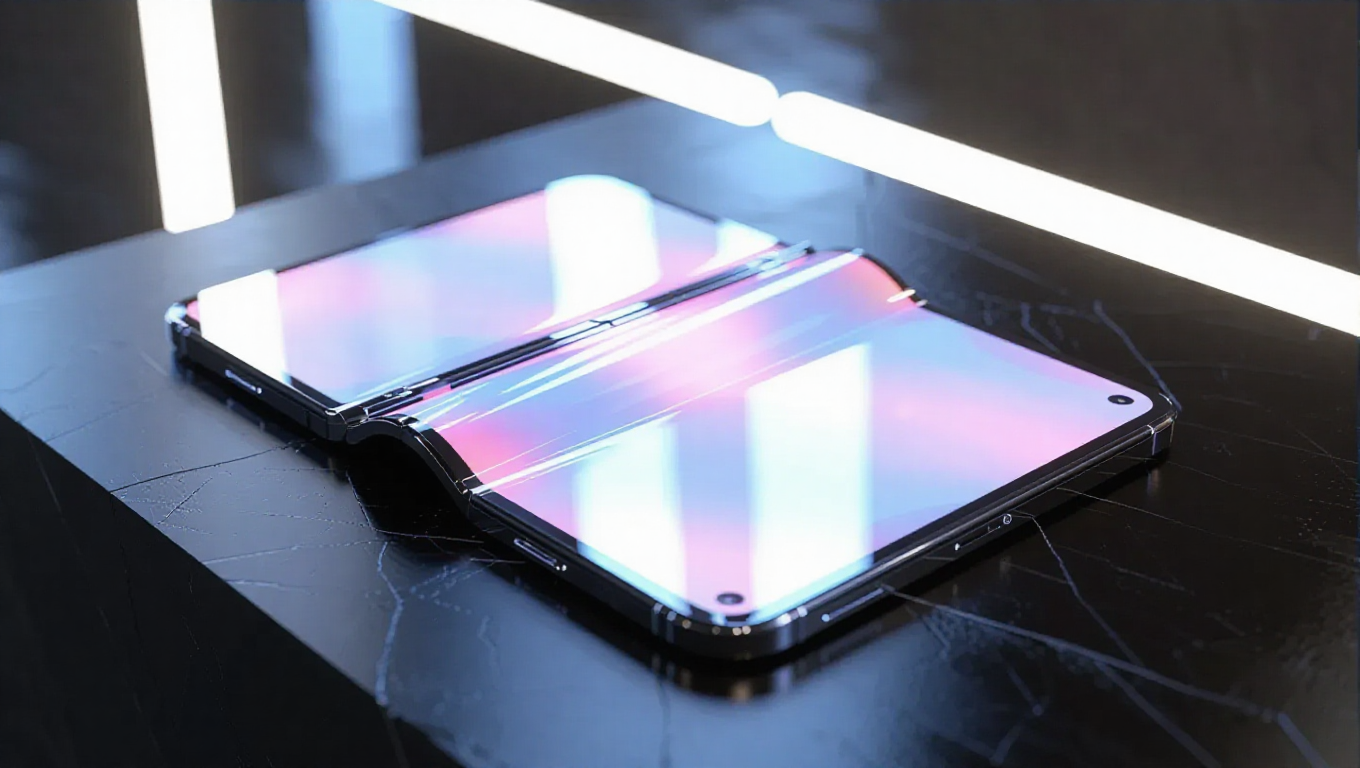
Samsung Galaxy Z TriFold Hands-On: A Surprisingly Refined Triple-Fold Design
In the ever-evolving landscape of foldable smartphones, Samsung has taken a bold leap with the Galaxy Z TriFold. This device, featuring not one but two hinges and a total of three folding displays, represents a significant technical ambition. Initial hands-on impressions reveal a product that is both bewildering in its concept and surprisingly polished in its execution.
First Impressions: From Baffling to Brilliant
The immediate reaction to the Galaxy Z TriFold is one of curiosity. The presence of two hinges and multiple folding points challenges conventional smartphone design. It raises questions about practicality in a market where standard book-style and clamshell foldables are still gaining mainstream traction. However, this initial skepticism quickly gives way to appreciation for Samsung's technical achievement. While the device's core purpose may seem nebulous and it enters a space where competitors are already active, there's an undeniable "cool" factor that makes it hard to ignore.
Build and Design: Defying Expectations
Contrary to expectations, the Galaxy Z TriFold does not feel awkward or flimsy. The construction is notably solid, matching the build quality found in Samsung's other foldables like the Z Fold 7 and Z Flip 7. The device maintains a slim profile of 4.2mm when completely unfolded. However, the necessity of folding twice results in a folded thickness of 12.9mm. This increased bulk makes the phone more challenging to pocket and can feel somewhat weighty when using just the cover display in its folded state. The design language is familiar, essentially resembling an enlarged Galaxy Z Fold 7 or, conceptually, two of them connected.
The Display Experience: Sprawling but Unwieldy
Fully unfolded, the Galaxy Z TriFold presents a massive 10-inch screen. This is a significant step up from the 8-inch display on the Z Fold 7, which some already find large for a phone. The sheer scale of the TriFold's display is impressive, particularly for media consumption like watching YouTube videos. The expansive real estate also enhances usability as a tablet, especially for multi-tasking applications where it can rest comfortably on a lap. However, the versatility of the folding screens may not meet all expectations, and the overall size can feel unwieldy for traditional smartphone use.
Conclusion: A Niche Marvel
The Samsung Galaxy Z TriFold is a fascinating experiment in form factor. It successfully translates the refined hinge and display technology from Samsung's foldable lineup into a more complex, triple-screen device. The build quality is commendable, defying concerns about durability in a multi-hinge design. While its practical applications remain niche and its folded thickness is a compromise, the TriFold stands as a testament to engineering ambition. It may not be the smartphone for everyone, but for early adopters and tech enthusiasts, it offers a uniquely immersive and surprisingly polished glimpse into a potential future for mobile devices.