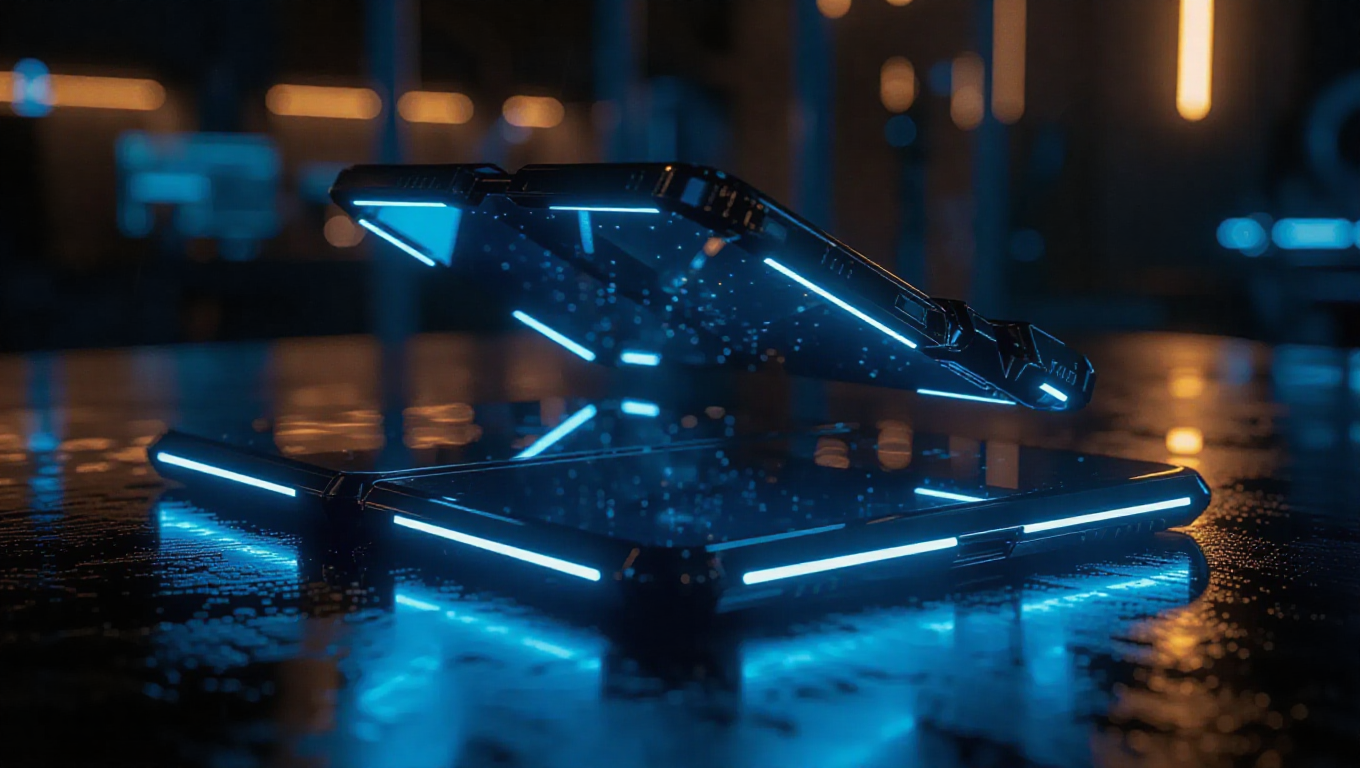
Samsung Galaxy Z TriFold Hands-On: A First Look at the Triple-Folding Phone
At CES 2026, Samsung showcased its most ambitious foldable yet: the Galaxy Z TriFold. This device represents a significant leap in flexible display technology, offering users three distinct screen configurations in a single package. While currently available in select markets like South Korea, China, and the UAE, it's expected to reach broader availability soon.
Design and Build: Thick but Impressive
When fully folded, the Galaxy Z TriFold is noticeably thicker than conventional smartphones—a consequence of housing three folding panels. However, this thickness is described as manageable rather than excessive. The device is reportedly thinner than the Galaxy Z Fold5 from two years prior, suggesting impressive engineering progress. The hinges feel sturdy and reliable, which is expected for a 2026 flagship device.
One notable design advantage over some competitors is that the entire folding screen tucks inside when closed, protecting it from external damage. The exterior features a carbon fiber texture beneath a glossy surface, and physical controls include a fingerprint-enabled power button and volume rocker on the right side.
Usability and Practical Considerations
Weighing over 300 grams, the TriFold is substantially heavier than recent foldables like the Galaxy Z Fold7 (215g). This weight, combined with its size, makes one-handed operation impractical. Most users will need both hands to hold the device comfortably, though it can be propped on a table for easier use. The split keyboard is likely to be the preferred typing method.
Folding the device requires a specific technique: it must be opened to the left and closed from the right edge first. An alert sounds if folding begins incorrectly from the left, helping users learn the proper method quickly.
The Unfolded Experience: A 10-Inch Canvas
When fully unfolded, the TriFold transforms into a 10-inch tablet with impressively thin individual panels. This large canvas provides a significantly different experience from traditional foldables. Watching videos utilizes nearly the entire screen, unlike square-ish foldables that display substantial black bars. The difference between 10 inches and 8 inches (like the Fold7) is noticeable in actual usage.
The expanded screen real estate enables practical multitasking, including running three apps side-by-side in landscape mode—though this feature may see limited everyday use. The immersive viewing experience makes the device's physical limitations fade into the background during media consumption.
Conclusion: A Niche Powerhouse
The Samsung Galaxy Z TriFold represents a bold step forward in foldable technology, offering unprecedented screen flexibility at the cost of increased bulk and weight. It's not designed for everyone—its size and handling requirements make it best suited for users who prioritize large-screen experiences over pocket-friendly convenience. For those willing to adapt to its form factor, the TriFold delivers a genuinely transformative tablet-like experience in a (relatively) portable package. As foldable technology continues to evolve, devices like this demonstrate both the possibilities and trade-offs of pushing boundaries.