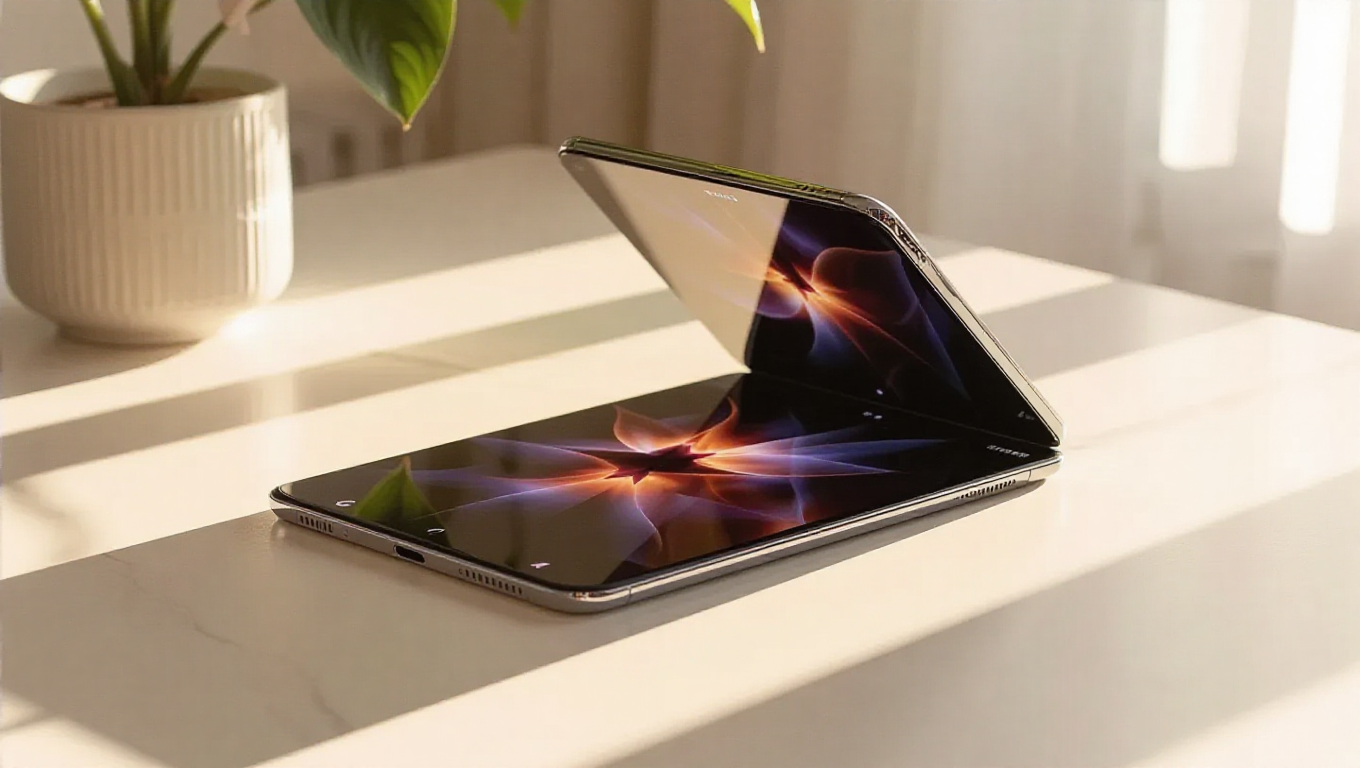
Samsung Galaxy Z TriFold Gains Unexpected Popularity in Recent Poll
A recent consumer poll has revealed surprising enthusiasm for Samsung's innovative Galaxy Z TriFold smartphone, with results suggesting the novel form factor is resonating more strongly than anticipated in the market.
Poll Results Show Strong Consumer Interest
The poll results indicate that while a significant portion of respondents expressed concern about the device's expected high price point, the overall sentiment toward the Galaxy Z TriFold remains remarkably positive. When combining those willing to pay premium pricing with those who find the form factor appealing but are price-sensitive, the device crosses the 50% approval threshold among poll participants.
This level of early support for a new mobile form factor is noteworthy, particularly when compared to historical consumer reactions to other innovative designs. The results suggest that Samsung's tri-fold concept has managed to capture consumer imagination in ways that previous form factor innovations have not.
TriFold Outperforms Expectations Against Established Models
Perhaps most surprising is how the Galaxy Z TriFold performed relative to Samsung's established Galaxy Z Fold7 in the same poll. The Z Fold7 has been considered a breakthrough product that successfully attracted users from Samsung's premium S Ultra line, with market data suggesting approximately 30% of Z Fold7 buyers in the US previously owned S Ultra devices.
Given this success, many expected the thicker and heavier tri-fold model to appeal to a more niche audience while the slimmer bi-fold design would maintain broader popularity. The poll results challenge this assumption, showing stronger-than-anticipated interest in the tri-fold form factor despite its potentially bulkier design.
Competitive Landscape and Market Implications
The poll also revealed interesting competitive dynamics, with Huawei's Mate XT Ultimate demonstrating notable popularity despite facing significant market challenges. Huawei's reduced global presence compared to its historical market position makes this showing particularly interesting, suggesting that innovative form factors can generate consumer interest even when brand strength is diminished.
These results come at a time when Samsung is reportedly offering special incentives for early adopters, including a one-time 50% discount on display repair costs for Galaxy Z TriFold purchasers. Such programs may help address consumer concerns about durability and maintenance costs associated with the complex folding mechanism.
Conclusion
The poll results paint a picture of a mobile market that remains receptive to genuine innovation, even when that innovation comes with premium pricing and potential usability trade-offs. The Galaxy Z TriFold's surprisingly strong showing suggests that consumers are willing to consider new form factors that offer meaningful functional advantages, though price remains a significant barrier for many potential buyers.
As foldable technology continues to evolve, these results indicate that manufacturers may have more room for experimentation with form factors than previously assumed, provided they can deliver compelling user experiences that justify the premium positioning. The market's response to the Galaxy Z TriFold concept suggests that the future of mobile devices may include more diverse form factors than the industry has seen in recent years.