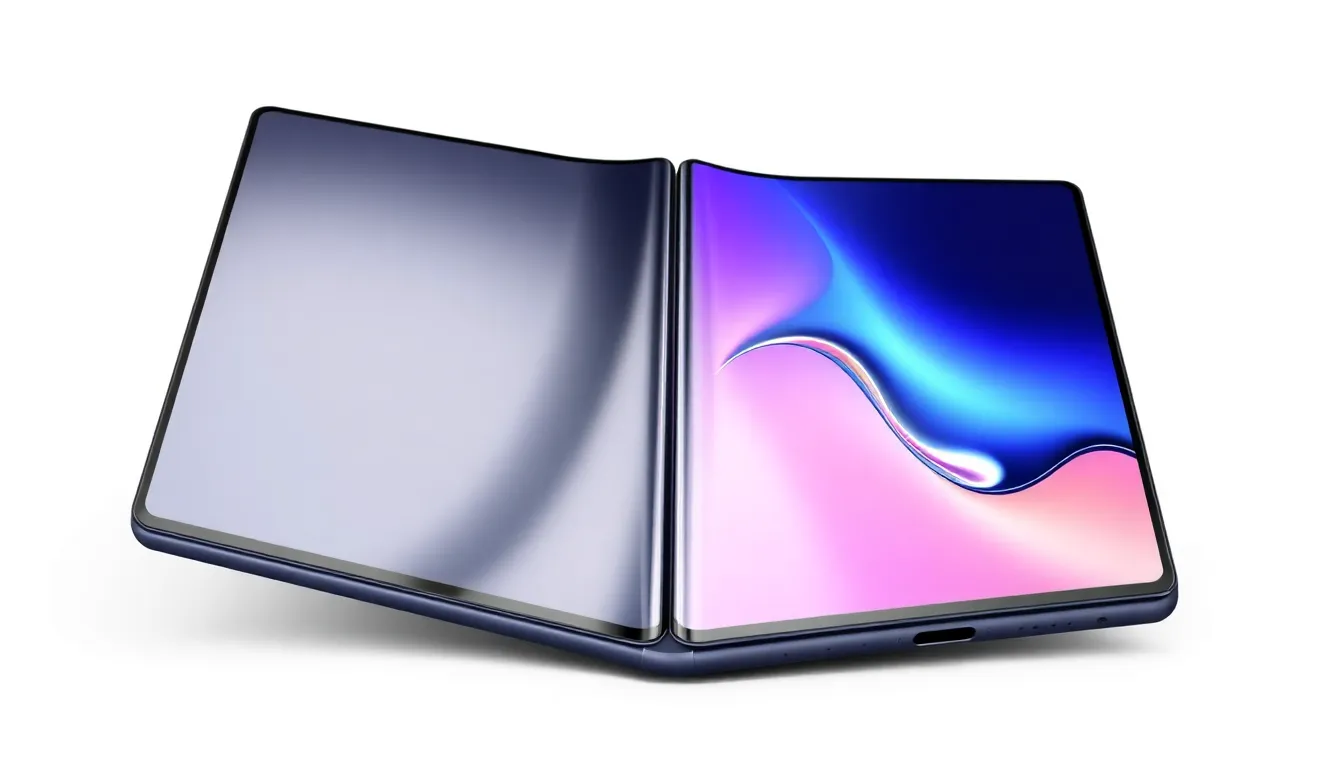
Samsung Galaxy Z Fold8 Specifications Leak Ahead of Summer Launch
Details about Samsung's next-generation foldable smartphone have surfaced through online leaks, providing a comprehensive look at what could be the Galaxy Z Fold8's specifications. The device is expected to launch this summer, continuing Samsung's annual update cycle for its flagship foldable lineup.
Display and Design Improvements
The leaked specifications indicate the Galaxy Z Fold8 will feature an 8-inch folding screen with a 120Hz refresh rate, paired with a 6.5-inch cover display that also supports 120Hz refresh rates. The folding screen reportedly utilizes dual-layer Ultra-Thin Glass (UTG) technology for improved durability, along with a laser-drilled display metal support plate that could enhance structural integrity while potentially reducing weight.
Early reports suggest the device will be thinner and lighter than its predecessor, the Galaxy Z Fold7, addressing one of the common criticisms of previous foldable models. The design refinements could make the device more comfortable for extended use while maintaining the premium feel expected from Samsung's flagship foldable.
Performance and Camera Upgrades
At the heart of the device is said to be the Snapdragon 8 Elite Gen 5 for Galaxy chipset, which would represent a significant performance upgrade over previous generations. The phone is expected to come with 12GB or 16GB of RAM options and storage configurations ranging from 256GB to 1TB, providing ample space for applications, media, and productivity tasks.
The camera system appears to receive substantial attention, with leaks pointing to a 200MP main camera using a 1/1.3-inch type sensor, a 50MP ultrawide lens, and a 10MP telephoto camera with 3x optical zoom. However, there are conflicting reports about whether the telephoto camera represents an upgrade over the Fold7's configuration, suggesting some details may still be in flux as development continues.
Battery and Thermal Management
Powering the device is rumored to be a 5,000 mAh battery, representing an increase over previous models and potentially addressing battery life concerns that have accompanied earlier foldable devices. The battery supports 45W wired charging, though wireless charging specifications remain unconfirmed in the current leaks.
To manage thermal performance, especially given the powerful chipset and demanding applications that foldable devices often run, Samsung is reportedly including a vapor chamber cooling system. This technology could help maintain consistent performance during intensive tasks like gaming, video editing, or multitasking across multiple applications.
Market Context and Expectations
The Galaxy Z Fold8 arrives at a time when the foldable market continues to mature, with Samsung facing increased competition from Chinese manufacturers and potentially new form factors within its own lineup. Previous reports have suggested Samsung expects the Fold8 to outsell its Z Flip8 sibling for the first time, indicating confidence in the book-style foldable's market appeal.
As with all pre-launch leaks, the specifications should be treated as preliminary information subject to change. Samsung typically refines its devices throughout the development process, and official specifications may differ from these early reports. The company has not commented on the leaked information, maintaining its standard practice of not discussing unannounced products.
Conclusion
The leaked Galaxy Z Fold8 specifications paint a picture of a device that builds upon Samsung's foldable expertise while addressing key areas for improvement. The combination of a more powerful chipset, enhanced camera system, larger battery, and refined design suggests Samsung is continuing to iterate on the foldable formula that has established its leadership position in the category.
With an expected summer launch, likely in July based on previous release patterns, consumers and industry observers will be watching closely to see how these rumored specifications translate to real-world performance. The device's success could influence the direction of the entire foldable market as manufacturers continue to explore the boundaries of smartphone form factors.