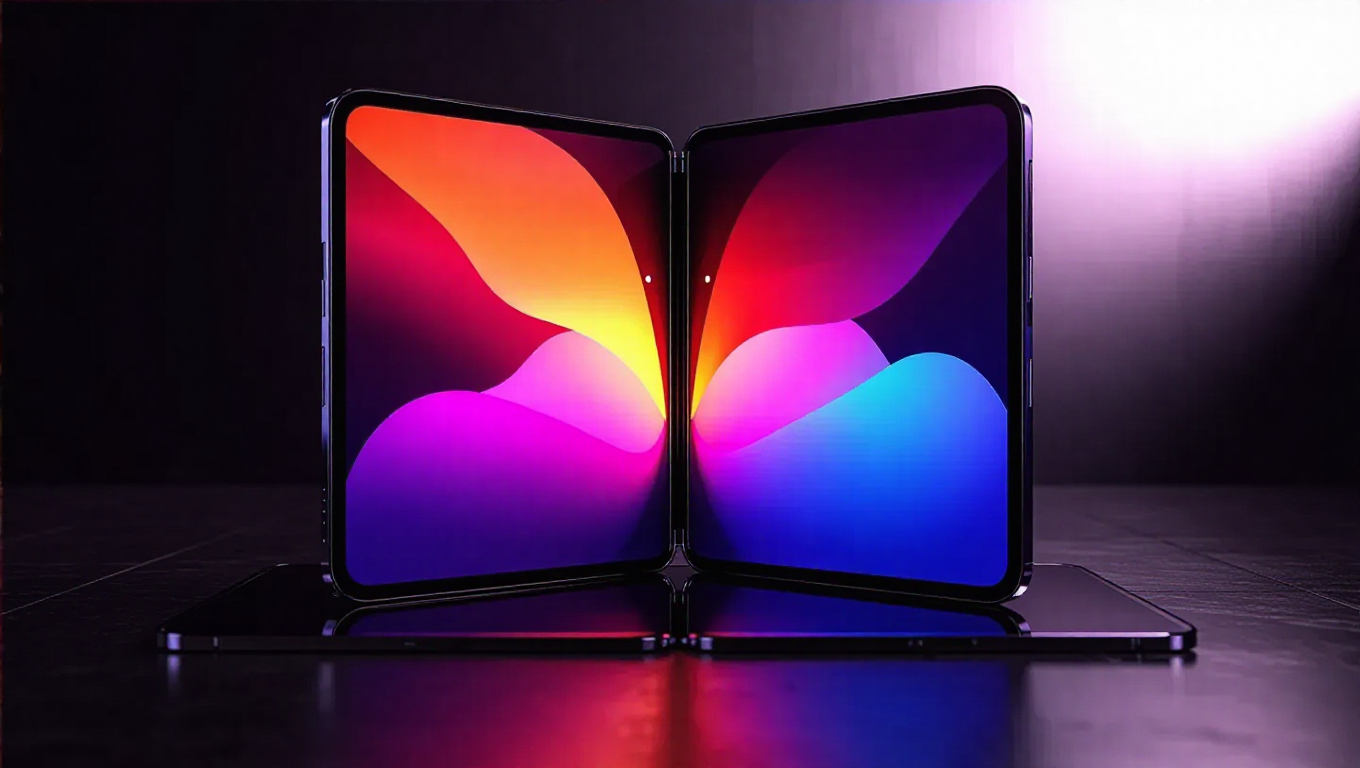
Samsung Galaxy Z Fold 8 May Feature Dual-UTG Display for Near Crease-Less Experience
The persistent visible crease on foldable phone displays has been one of the technology's most noticeable compromises. As competition in the foldable market intensifies, Samsung appears poised to address this head-on with its next flagship. Emerging reports indicate the Galaxy Z Fold 8 could incorporate a novel dual-layer Ultra Thin Glass (UTG) structure designed to minimize the fold line, bringing the device closer to a truly seamless viewing experience.
A Technical Leap in Foldable Display Design
The core innovation reportedly lies in the panel's construction. Instead of applying Ultra Thin Glass only as the top protective layer, the new design from Samsung Display is said to place UTG on both the top and the bottom of the OLED panel. This dual-UTG approach is claimed to work in concert with other refinements—such as an optimized laminate structure and improved light dispersion—to reduce the visibility of the crease by approximately 20% compared to the display used in the Galaxy Z Fold 7.
Further engineering details suggest the inclusion of laser-drilled micro-perforations in the panel's backplate. This technique aims to better distribute the mechanical stress incurred during the folding and unfolding process, which is a primary contributor to crease formation. The combined technologies represent a focused effort to tackle what has been a fundamental physical challenge for flexible screens.
The Broader Foldable Landscape and Remaining Challenges
This development comes at a critical time, as the foldable segment is expected to welcome new entrants. The pursuit of a crease-less display is becoming a key battleground for technological supremacy. It is suggested that different implementations of Samsung Display's advanced panels may be used by various manufacturers, tailoring the solution to different device structures and durability requirements.
While minimizing the crease is a significant hurdle, it is one of several that foldable phones have faced. Historically, these devices have also contended with relatively smaller battery capacities and camera systems that lag behind traditional flagship slates. Over successive generations, battery life and camera performance have seen steady improvements. A meaningful reduction in crease visibility would therefore address the last major, immediately apparent drawback for many potential users, potentially accelerating mainstream adoption of the form factor.
Conclusion: A Step Toward Seamless Folding
If the rumors and reports surrounding the Galaxy Z Fold 8's display prove accurate, it would signify a substantial leap forward for foldable technology. Moving beyond incremental improvements, the potential integration of a dual-UTG structure targets the most iconic—and often criticized—feature of current foldables. Success in this area would not only enhance the user experience by providing a more uniform screen but also strengthen Samsung's position as an innovator in the increasingly competitive and evolving market for folding smartphones.