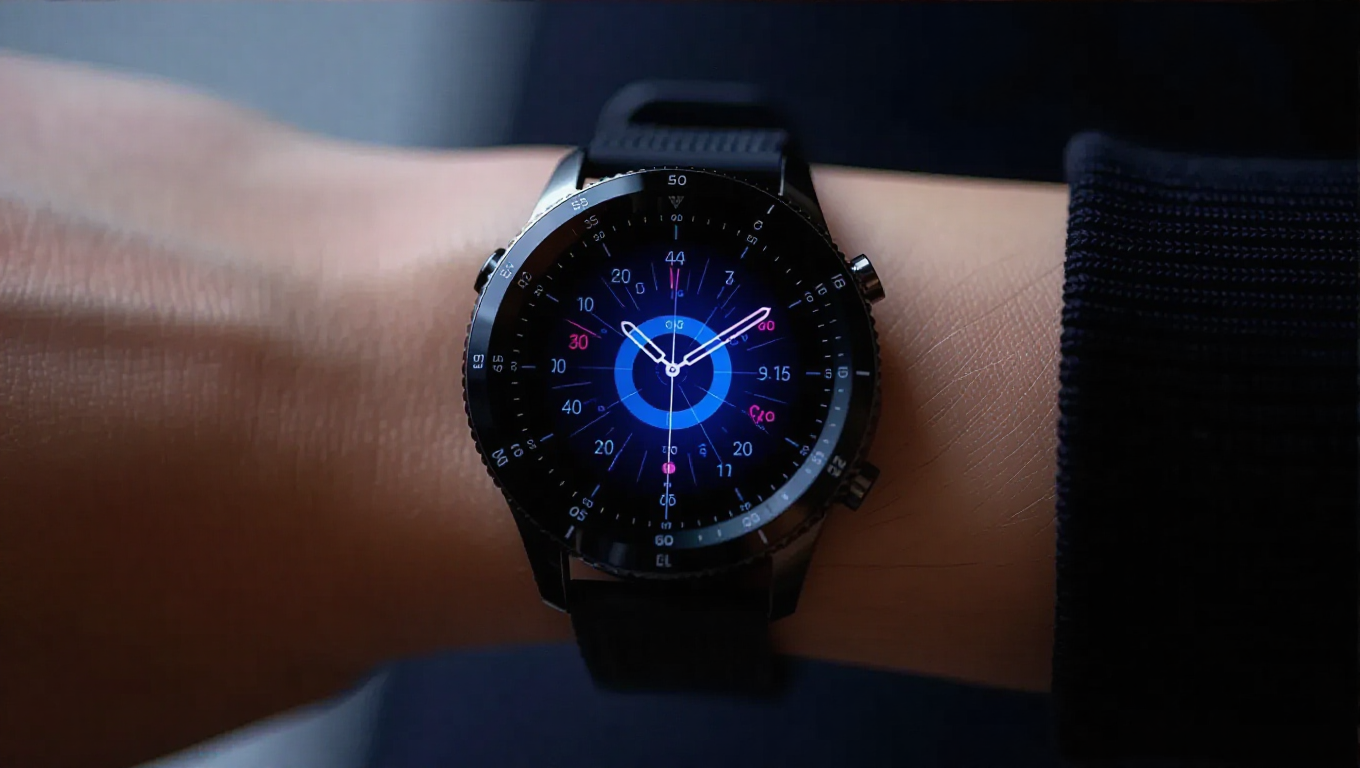
Samsung Galaxy Wearables to Add Dementia Detection Features
Samsung has announced a significant expansion of health monitoring capabilities for its Galaxy wearable devices, with new features aimed at detecting early signs of dementia through continuous tracking of user behavior patterns.
Advanced Health Monitoring Through Wearable Technology
The upcoming features will leverage the sensors and processing power of Galaxy wearables to monitor subtle changes in speech patterns, movement characteristics, and daily activity routines. By establishing baseline behavior patterns for individual users, the system can detect deviations that might indicate cognitive changes associated with early-stage dementia.
This approach represents a shift from reactive to proactive health monitoring, allowing for earlier intervention when cognitive changes begin to manifest. The technology is designed to work in the background during normal device use, requiring no special actions from users beyond wearing their devices regularly.
Initial Rollout and Practical Applications
The dementia detection features will first become available in beta form in select markets, allowing Samsung to refine the algorithms based on real-world usage data. The company emphasizes that these tools are meant to assist families in making informed decisions about when to seek professional medical evaluation, rather than serving as diagnostic tools themselves.
Beyond dementia detection, Samsung is expanding its health ecosystem with additional AI-powered features. These include personalized health coaching, improved sleep guidance with more detailed analysis, and exercise recommendations tailored to individual fitness levels and goals. The integration of artificial intelligence across Samsung's device ecosystem aims to create a more comprehensive and responsive health monitoring platform.
Privacy and Implementation Considerations
The implementation of such sensitive health monitoring raises important questions about data privacy and security. Samsung will need to ensure that the collection and processing of behavioral data for dementia detection adheres to strict privacy standards and regulatory requirements across different regions.
The success of these features will depend on their accuracy in distinguishing normal variations in behavior from meaningful changes that warrant attention. False positives could cause unnecessary concern, while false negatives might delay important medical consultations.
Conclusion
Samsung's announcement marks an ambitious step forward in wearable health technology, moving beyond fitness tracking into more complex cognitive health monitoring. While the practical implementation and accuracy of these dementia detection features remain to be proven through real-world testing, the initiative reflects growing recognition of wearable technology's potential in early health intervention.
As these features roll out in beta testing, they will provide valuable insights into how consumer technology can contribute to proactive health management, particularly for age-related conditions that benefit from early detection. The development represents both a technological challenge and an opportunity to make meaningful contributions to public health through everyday devices.