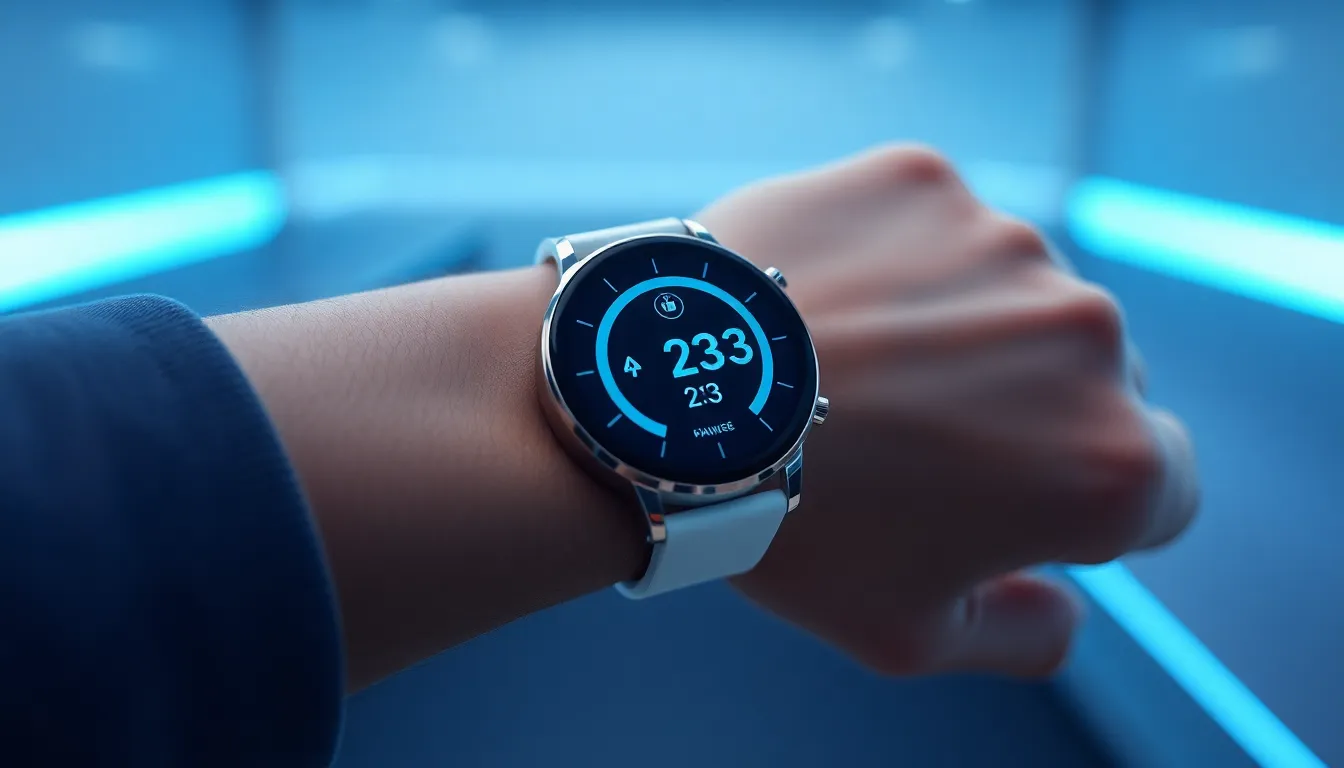
Samsung Galaxy Watch 9 Development Advances with Firmware Testing
Samsung's next-generation smartwatch, the Galaxy Watch 9, appears to be moving closer to its official unveiling as evidence of firmware testing has emerged. This development follows previous leaks about the device's existence and specifications, suggesting Samsung is on track with its smartwatch refresh cycle.
Firmware Testing Signals Progress
A firmware file for a device with model number SM-L345U has been identified on Samsung's servers. This model number reportedly corresponds to the Galaxy Watch 9, indicating that development has progressed to the testing phase. The appearance of firmware files typically suggests that hardware development is largely complete and software optimization is underway.
The Galaxy Watch 9 is expected to serve as the successor to the Galaxy Watch 8, positioning it below Samsung's premium Galaxy Watch Ultra models in the product lineup. This mid-range positioning has become a consistent part of Samsung's smartwatch strategy, offering consumers multiple tiers of wearable technology.
Expected Launch Timeline
Based on Samsung's established product cycles, the Galaxy Watch 9 is anticipated to launch in July 2026. This would align with the company's pattern of introducing new smartwatches alongside its foldable smartphone lineup. The Galaxy Watch 8 debuted in July 2025 alongside the Galaxy Z Fold 7 and Galaxy Z Flip 7, suggesting a similar simultaneous launch strategy for the next generation.
With approximately two months remaining until the expected launch window, the timing of firmware testing appears consistent with Samsung's typical development schedule. This testing phase allows the company to refine software performance and ensure compatibility with other devices in its ecosystem.
Confirmed and Rumored Specifications
Several key specifications for the Galaxy Watch 9 have already been revealed through various channels. The device is confirmed to utilize Qualcomm's Snapdragon Wear Elite chipset, which should deliver improved performance and efficiency compared to previous generations. This chipset represents Qualcomm's latest wearable technology and is expected to power multiple premium smartwatches in 2026.
Battery capacity details have also surfaced, though specific numbers remain unconfirmed in this report. The combination of a new chipset and optimized battery design could potentially address common smartwatch concerns about battery life and performance.
As the launch window approaches, additional leaks and official information are expected to provide a more complete picture of the Galaxy Watch 9's features and capabilities. These may include design changes, new health tracking features, and software enhancements that build upon Samsung's existing wearable ecosystem.
Market Positioning and Expectations
The Galaxy Watch 9's positioning between the standard Galaxy Watch series and the premium Ultra models suggests Samsung is continuing its strategy of offering tiered options to consumers. This approach allows the company to address different price points and feature requirements within the competitive smartwatch market.
Industry observers will be watching for how Samsung balances innovation with accessibility in this model, particularly as wearable technology continues to evolve with new health monitoring capabilities and integration with broader digital ecosystems.
Conclusion
The appearance of Galaxy Watch 9 firmware testing marks a significant milestone in the device's development journey. With confirmed details about its chipset and battery specifications already circulating, and a likely July 2026 launch window approaching, Samsung appears to be on schedule with its smartwatch roadmap. As testing progresses and more information emerges, consumers and industry watchers will gain clearer insights into how the Galaxy Watch 9 will build upon its predecessor's foundation while potentially introducing new features to compete in an increasingly sophisticated wearable market.