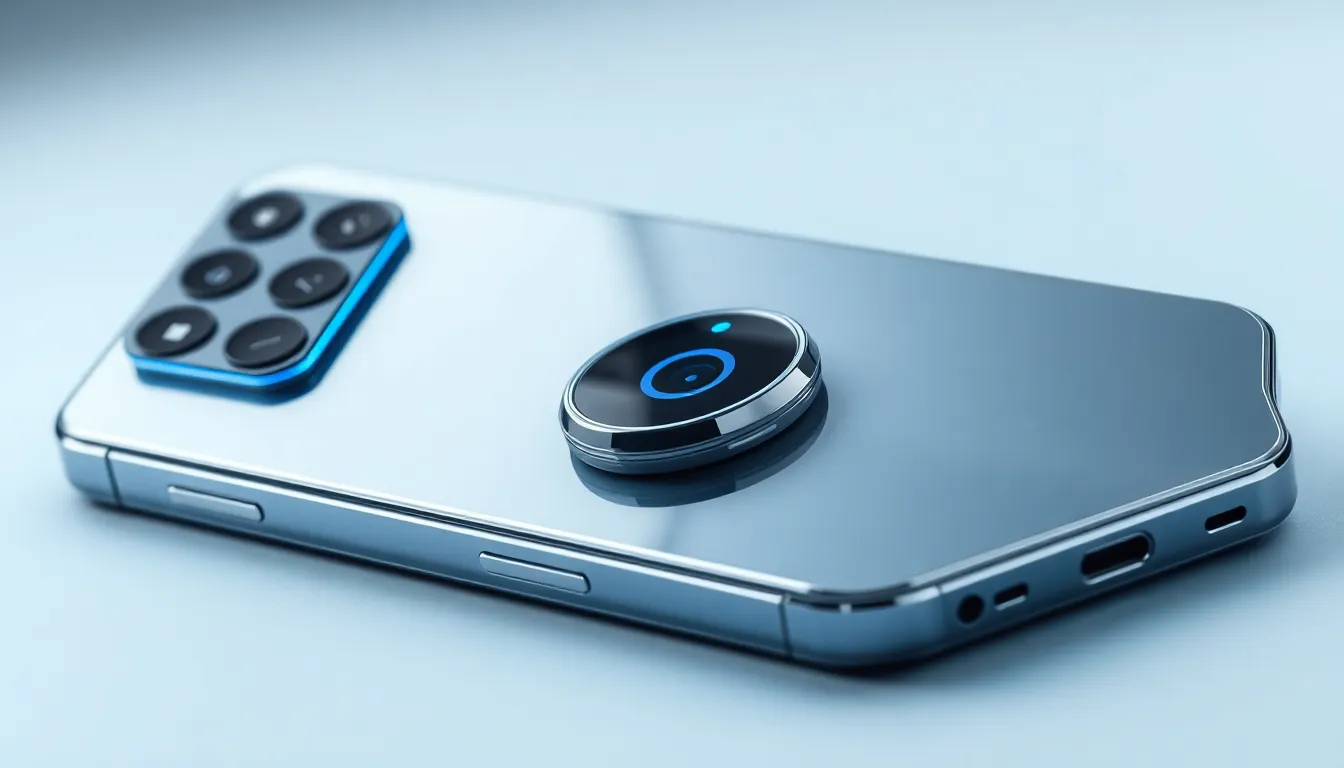
Samsung Galaxy S27 Ultra Rumored to Feature Near 1-Inch 200MP Camera Sensor
As the Galaxy S26 series settles into the market, industry attention is already turning toward its successor. The latest speculation centers on a potential camera breakthrough that could define the Galaxy S27 Ultra, with reports pointing to a new, large-format 200-megapixel sensor in development.
A New Flagship Sensor Emerges
Development appears to be underway on a new high-resolution camera sensor from Samsung's semiconductor division. This component, reportedly an ISOCELL sensor codenamed HPA, is said to feature a 200-megapixel resolution. More notably, its physical size is rumored to be approximately 1/1.12 inches, bringing it remarkably close to the coveted 1-inch format that has become a benchmark for premium imaging in compact devices.
This sensor size represents a significant increase over current flagship smartphone sensors. Larger sensors typically capture more light, which can improve performance in low-light conditions, reduce noise, and provide greater dynamic range. When combined with a 200-megapixel resolution, the potential for detailed still photography and high-quality video is substantial.
Timeline and Implementation
The sensor is reportedly slated for smartphone integration around 2027, aligning with the expected launch window for the Galaxy S27 series. While not confirmed, the natural flagship candidate for such a premium imaging component would be the Galaxy S27 Ultra, Samsung's traditional showcase for camera innovation.
If these rumors prove accurate, the Galaxy S27 Ultra could represent a major leap in mobile photography. The combination of extreme resolution and a larger sensor area would likely be complemented by advanced pixel-binning technology, allowing the camera to intelligently combine pixels for better light gathering in various shooting scenarios while retaining the option for ultra-high-resolution capture when needed.
Broader Implications
This development signals Samsung's continued commitment to pushing the boundaries of smartphone camera hardware. The move toward larger sensors reflects an industry trend of borrowing from dedicated camera design principles to overcome the physical limitations of mobile devices. A near 1-inch sensor in a smartphone would blur the line between mobile and traditional photography equipment even further.
The success of such a sensor would depend not only on its hardware specifications but also on the accompanying image processing algorithms, lens quality, and software optimization. Samsung's experience with high-megapixel sensors in previous models suggests the company is well-positioned to leverage this technology effectively.
Conclusion
While details remain unconfirmed, the prospect of a near 1-inch 200MP sensor in the Galaxy S27 Ultra is an exciting one for mobile photography enthusiasts. Such a component would represent a tangible hardware advancement in an era where computational photography often takes center stage. If realized, it could set a new standard for what smartphone cameras are capable of achieving, particularly in terms of pure image detail and low-light performance. As always with early rumors, these reports should be treated with cautious optimism until official announcements are made, but they certainly paint an intriguing picture of smartphone photography's potential future direction.