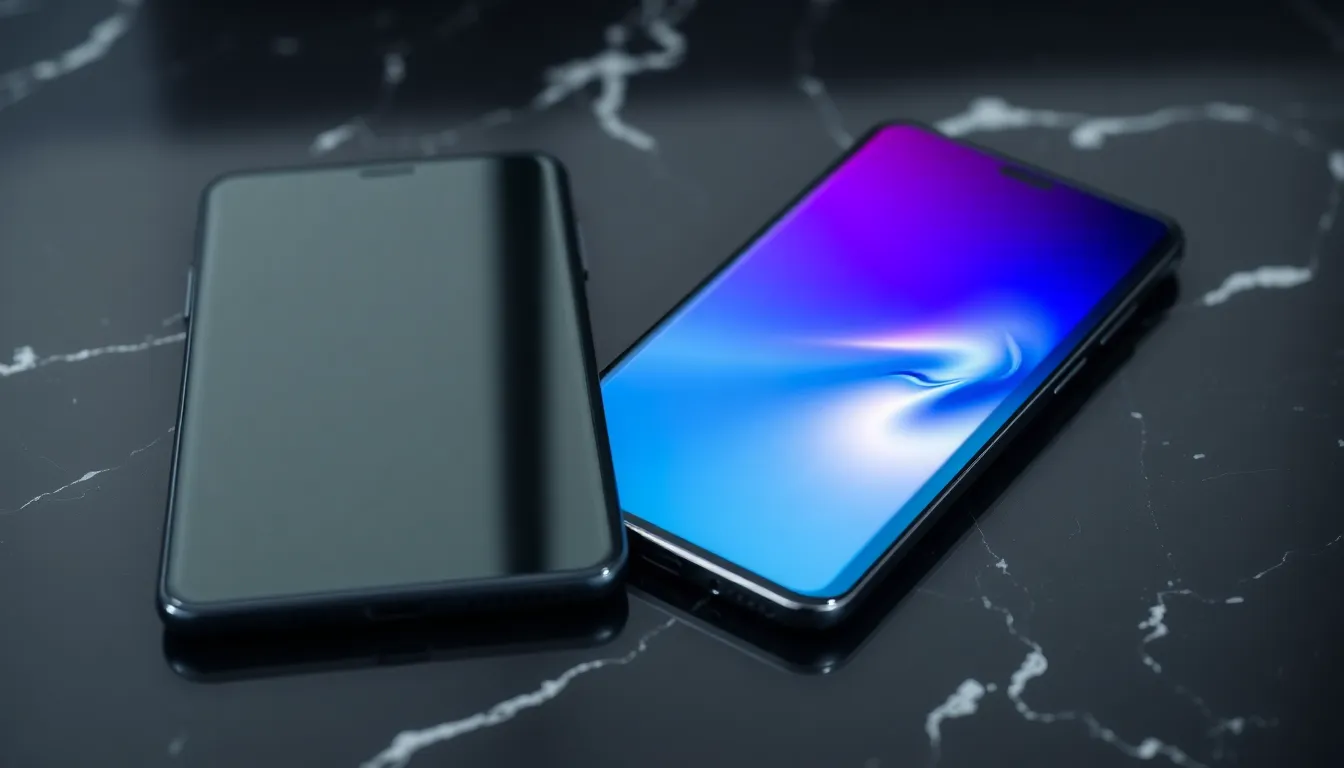
Samsung Galaxy S26 Ultra vs. Galaxy S25 Ultra: Key Differences Analyzed
March 27, 2026
The arrival of the Samsung Galaxy S26 Ultra presents a familiar dilemma for smartphone enthusiasts: is the latest model a significant upgrade over its predecessor, the Galaxy S25 Ultra, or does the older device still hold its own? With Samsung's commitment to seven years of software support leveling the playing field, the decision often boils down to hardware refinements and specific new features. This analysis breaks down the key differences to help determine if the S26 Ultra's advancements justify its premium.
Design and Build: A Mixed Bag of Changes
The Galaxy S26 Ultra introduces several design tweaks. It is slightly thinner than the S25 Ultra, and its corners are more rounded, which generally improves in-hand comfort compared to the sharper edges of the previous model. However, the camera island protrudes more noticeably, which some may find less aesthetically pleasing. Interestingly, the S26 Ultra is marginally wider and taller despite sharing the same screen size. A notable material change sees the S26 Ultra utilizing an Armor Aluminum 2 frame, a step down from the titanium frame that distinguished the S25 Ultra.
Display: Introducing the Privacy Feature
Both phones boast identical 6.9-inch LTPO OLED panels with QHD+ resolution, 120Hz refresh rates, and exceptional peak brightness exceeding 1,400 nits. The core visual experience is virtually indistinguishable. The headline addition for the S26 Ultra is the new Privacy Display feature. This software-driven function mimics a privacy screen protector, making it difficult for onlookers to see the screen from an angle. It can be toggled on and off as needed. The trade-off is that enabling Privacy Display cuts maximum brightness by half. When the feature is off, no meaningful difference in viewing angles, sharpness, or brightness is detectable between the two models.
Performance and Battery: Evolutionary Steps
Performance gains from the S25 Ultra to the S26 Ultra are described as modest. The newer model is powered by a more advanced chipset, but real-world usage differences for most tasks are minimal. Battery life is expected to be very similar between the two devices, with any potential improvements in the S26 Ultra likely being incremental rather than transformative. Charging speeds remain consistent across both generations.
Camera System: Refined, Not Revolutionized
The camera hardware sees subtle refinements rather than a major overhaul. The S26 Ultra's camera system builds upon the strong foundation of the S25 Ultra, with improvements likely centered on software processing, sensor optimization, and possibly new computational photography features. The result is a camera that is marginally better in various conditions, but not a leap that would render the S25 Ultra's excellent camera system obsolete.
Conclusion: Value Versus the Latest Tech
The Samsung Galaxy S26 Ultra represents a typical iterative update. It offers a more comfortable design, the novel and useful Privacy Display feature, and slight improvements in performance and camera capabilities. However, it also makes some compromises, such as the switch from a titanium to an aluminum frame.
The Galaxy S25 Ultra, benefiting from the same long-term software support, remains an exceptionally capable flagship. For users who prioritize value and do not require the specific new features of the S26 Ultra—particularly the Privacy Display—the S25 Ultra presents a compelling and potentially more cost-effective option. The choice ultimately depends on how much weight one places on the latest refinements versus the proven performance and potential savings of the previous generation.