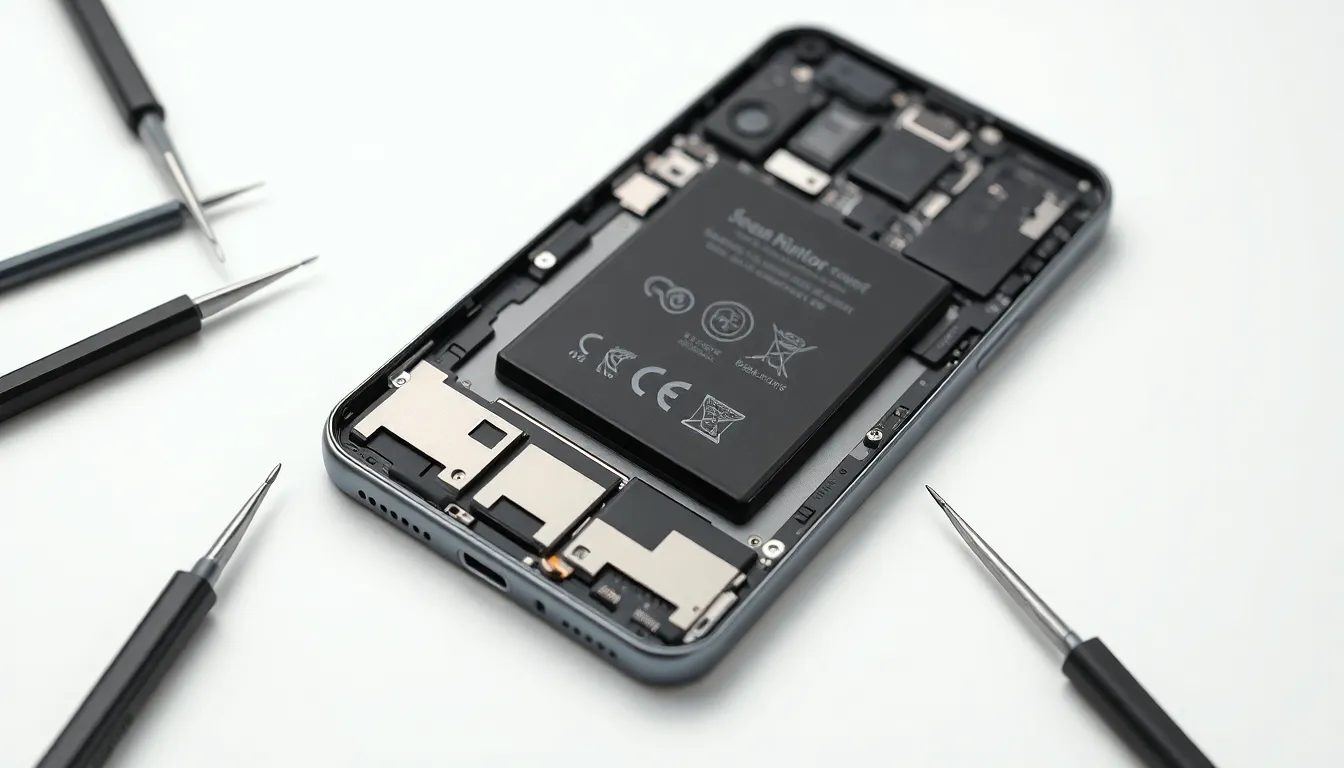
Samsung Galaxy S26 Ultra Teardown Highlights User-Friendly Battery Replacement
A detailed teardown analysis of the recently released Samsung Galaxy S26 Ultra has surfaced, providing an in-depth look at the flagship smartphone's internal construction. The examination focuses particularly on the device's repairability, with the battery replacement process emerging as a standout feature praised for its relative simplicity.
Internal Design and Repairability Assessment
The disassembly process begins conventionally, requiring heat to soften the adhesive securing the back glass panel. Once inside, the layout reveals both user-friendly and complex aspects. The battery release mechanism has drawn specific commendation, described as a straightforward process that is even considered simpler than systems found in some competing devices from other manufacturers.
Other components present a mixed bag for potential repairs. The USB-C port is notably modular and easy to access for replacement, a positive point for a common wear item. However, the display presents a significant hurdle; its connector is located on the rear of the assembly, meaning a screen replacement necessitates nearly a full disassembly of the device rather than a front-facing repair.
The camera system introduces another layer of complexity. All rear cameras connect to the main logic board from underneath, requiring the board's removal to service any of these modules. The front-facing selfie camera is also reported to be challenging to detach.
Provisional Repairability Score and Context
Based on this analysis, the Samsung Galaxy S26 Ultra has been assigned a provisional repairability score of 5 out of 10, where 10 represents the most easily repairable device. The score reflects the balance between the praised battery and port accessibility against the difficulties posed by the screen and camera systems.
It is noted that this score could potentially improve. Evaluators suggest that if Samsung were to enhance the official availability of spare parts and repair documentation, the score might rise to a 6 out of 10. This adjusted score would place it competitively alongside other contemporary flagship smartphones, indicating a repairability level on par with some models and just slightly behind others known for serviceability.
Conclusion: A Step Toward Serviceability
The teardown of the Galaxy S26 Ultra reveals a device with intentional design choices that facilitate certain repairs, most notably battery replacement, while maintaining complexity in other areas like display and camera servicing. The positive assessment of the battery mechanism is a significant takeaway, potentially appealing to consumers and advocates for longer device lifespans. While the overall repairability score is moderate, the analysis highlights a clear path for improvement through better support for spare parts, which could elevate the device's standing in terms of user serviceability and sustainability.