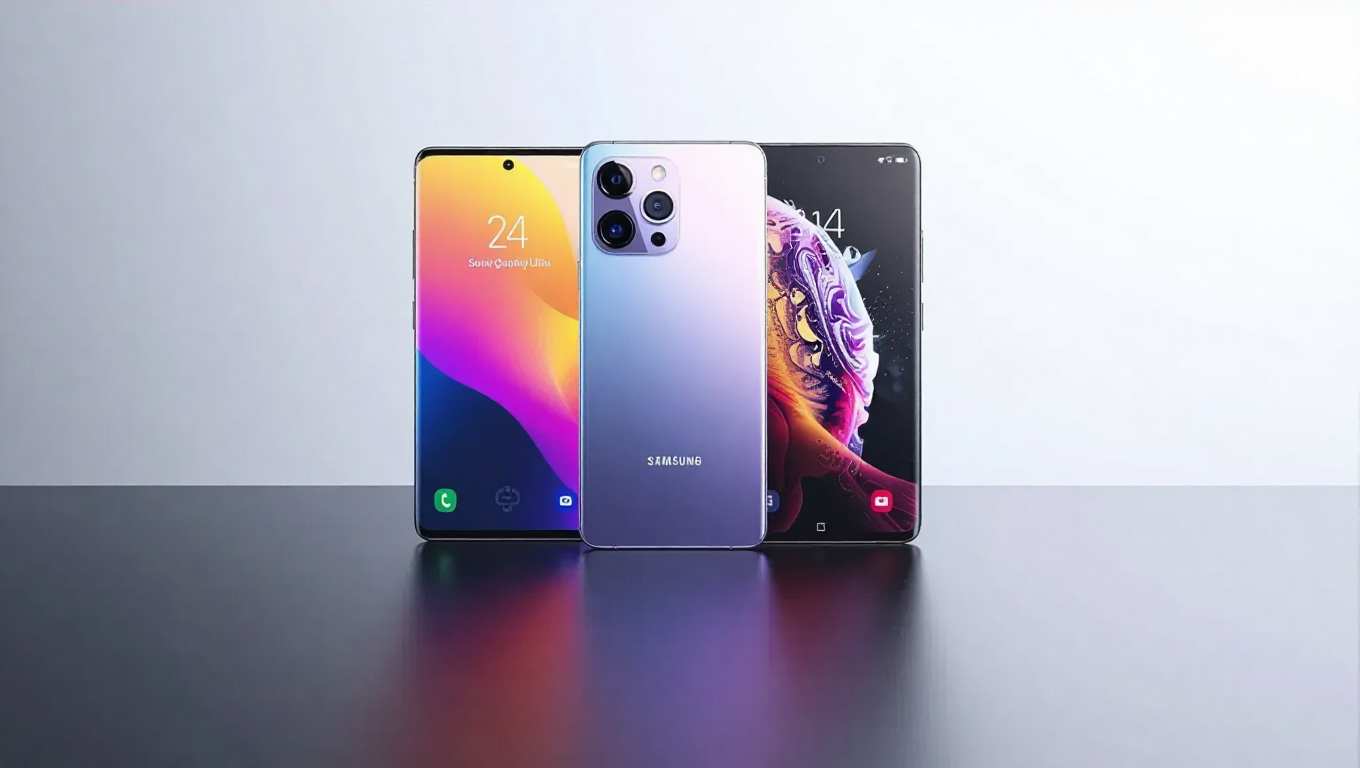
Samsung Galaxy S26 Ultra, S26 Plus and S26 First Impressions
Samsung has unveiled its Galaxy S26 series ahead of MWC 2026, bringing the S26+ back into the lineup while seemingly shelving plans for an S26 Edge model. The series continues Samsung's strategy of iterative refinement, with a clear emphasis on expanding its AI ecosystem rather than introducing groundbreaking hardware changes.
Galaxy S26 Ultra: Subtle Enhancements
The Galaxy S26 Ultra remains the flagship's centerpiece, receiving the most attention with several targeted improvements. The device features a slimmer and lighter design compared to its predecessor, along with faster wired charging capabilities. Hardware upgrades are modest, with the key change being the exclusive "Snapdragon 8 Elite Gen 5 for Galaxy" chipset, which offers higher CPU and GPU clock speeds than the standard version.
Camera improvements focus on low-light performance, with wider apertures on both the main and 5x telephoto lenses to capture more light. The overall approach suggests Samsung is prioritizing software optimization and AI integration over radical hardware redesigns.
Galaxy S26 and S26 Plus: Chipset Variations
The Galaxy S26 and S26 Plus maintain similar designs to previous models, with only subtle changes to the base S26 that might escape casual observation. The most significant development is Samsung's return to using its own Exynos chipsets for these models in markets outside North America, China, and Japan.
The new Exynos 2600 chipset represents Samsung's latest silicon achievement, manufactured on a 2-nanometer node with a focus on AI task acceleration and power efficiency. It incorporates the latest Arm CPU cores and represents a departure from traditional core cluster arrangements, potentially offering competitive performance in regions where it will be deployed.
AI Ecosystem Focus
Across all three models, Samsung's primary development efforts appear concentrated on creating a more versatile and feature-rich AI ecosystem. Improvements in Galaxy AI interaction, performance optimization, and camera processing suggest software enhancements will be the series' defining characteristic rather than hardware breakthroughs.
The strategy reflects an industry trend toward leveraging artificial intelligence to enhance user experience without necessarily requiring dramatic physical changes to device architecture.
Conclusion
Samsung's Galaxy S26 series represents an evolutionary step rather than a revolutionary leap. The Ultra model receives targeted improvements in design, charging, and camera optics, while the base models see the most significant change in their chipset strategy with the reintroduction of Exynos processors in many markets. The overarching theme across all devices is enhanced AI capabilities, suggesting Samsung believes the future of smartphone innovation lies increasingly in software intelligence rather than hardware specifications alone.