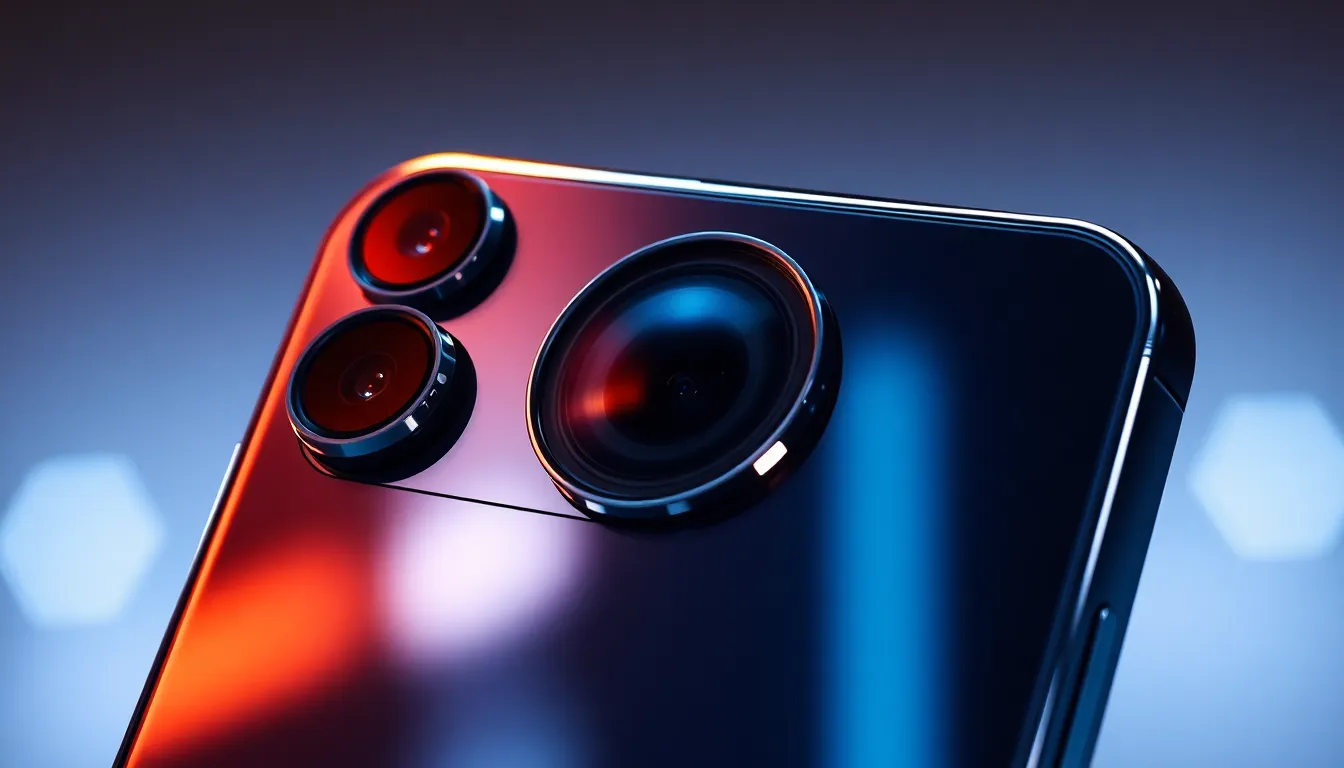
Samsung Galaxy S26 Ultra Rumored to Feature New Lens Technology to Reduce Flare
As anticipation builds for Samsung's next flagship smartphone, new rumors are emerging about potential camera improvements designed to address common photographic challenges. The Galaxy S26 Ultra, expected to launch in early 2026, is reportedly set to receive significant enhancements to its lens system, specifically targeting the reduction of lens flare and the improvement of color accuracy, particularly for skin tones.
Enhanced Lens and Coating Technology
Recent leaks indicate that Samsung is focusing on refining the optical performance of the Galaxy S26 Ultra's camera. The primary goal appears to be mitigating lens flare, a phenomenon where bright light sources cause unwanted artifacts, streaks, or haze in images, often degrading photo quality in challenging lighting conditions. To combat this, the device is rumored to incorporate "enhanced lens and coating technology." This suggests advancements in anti-reflective coatings applied to lens elements, which could help minimize internal reflections and scatter, leading to cleaner images with higher contrast, especially when shooting toward light sources like the sun or street lamps at night.
In addition to flare reduction, the leaks point to improvements in color reproduction. A specific issue mentioned is the correction of skin tones that previously tended to appear yellowish in certain lighting. This adjustment would be a welcome change for portrait and selfie photography, aiming for more natural and accurate flesh tones straight out of the camera, reducing the need for post-processing.
Camera Hardware Specifications
These optical improvements are expected to be paired with a powerful camera hardware setup. Previous rumors have detailed a quad-camera array on the rear, reportedly consisting of a 200-megapixel primary sensor, likely the ISOCELL HP2, which was also used in the Galaxy S25 Ultra. However, a key upgrade for the S26 Ultra is a rumored wider f/1.4 aperture for this main lens, compared to the f/1.7 aperture on its predecessor. A larger aperture allows more light to reach the sensor, which can improve low-light performance and enable a shallower depth of field for more pronounced background blur (bokeh).
The rest of the camera system is speculated to include a 50-megapixel ultrawide sensor, a 50-megapixel periscope telephoto lens for high-resolution zoom, and a 12-megapixel telephoto camera. On the front, a 12-megapixel selfie camera is anticipated. This combination suggests Samsung is continuing its strategy of offering versatile, high-resolution shooting capabilities across different focal lengths.
Context and Expectations
Camera performance remains a critical battleground for flagship smartphones, and lens flare has been a noted challenge for many devices, including past models. By reportedly addressing this directly with new lens technology, Samsung could deliver a tangible improvement in real-world photography, particularly for users who frequently shoot in backlit or high-contrast scenarios. The move to a brighter f/1.4 aperture for the main camera also signals a focus on enhancing low-light capabilities and overall image quality.
It is important to note that these details are based on unconfirmed leaks and rumors from industry tipsters. Official specifications and features will be confirmed by Samsung upon the device's launch. However, the consistent theme from these leaks is a focused effort on refining the camera's optical foundation—the lenses themselves—to complement the high-resolution sensors and deliver more consistent, flare-free, and color-accurate images. If these rumors hold true, the Galaxy S26 Ultra could represent a significant step forward in solving persistent optical issues, potentially setting a new standard for mobile photography clarity.