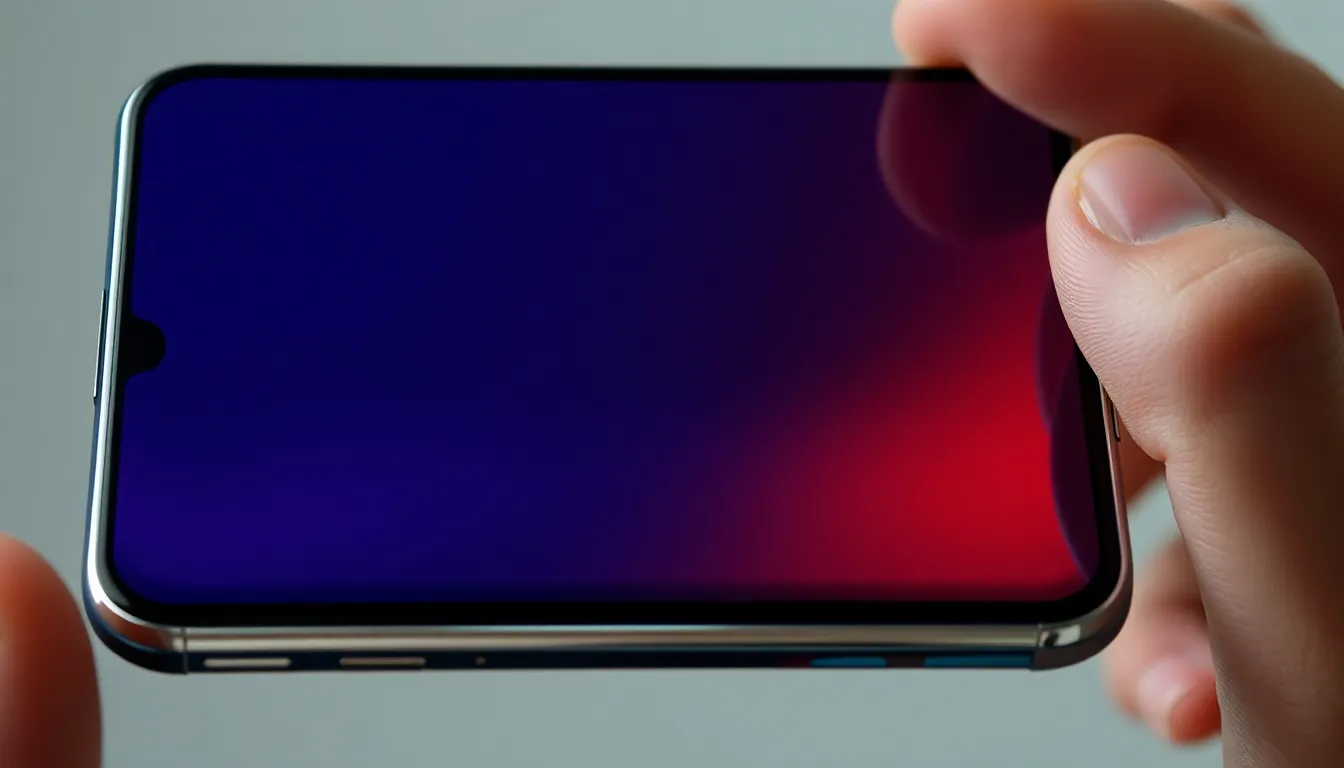
Samsung Galaxy S26 Ultra Privacy Display Raises Image Quality Concerns
Samsung's latest flagship smartphone, the Galaxy S26 Ultra, features an innovative screen technology called Privacy Display that's designed to protect user privacy by limiting viewing angles. However, early experiences with the device suggest this new feature may come with a significant trade-off: compromised image quality.
The Privacy Display Technology
The Privacy Display system represents Samsung's attempt to address growing concerns about screen privacy in public spaces. When activated, the technology effectively blocks anyone from viewing the screen content unless they're looking directly at it from a straight-on angle. This feature is particularly useful for users who frequently work with sensitive information in crowded environments like airports, coffee shops, or public transportation.
The technology works by manipulating the screen's viewing angles through specialized hardware and software integration. While similar privacy screen technologies have existed as aftermarket accessories for laptops and tablets, Samsung's implementation marks one of the first attempts to build this functionality directly into a smartphone display at the manufacturing level.
Image Quality Concerns Emerge
Initial hands-on experiences with the Galaxy S26 Ultra reveal potential issues with the Privacy Display's impact on visual performance. Reports indicate that users are noticing problems with color reproduction and overall image quality, even when the privacy feature isn't actively engaged.
The concerns appear to stem from the fundamental design of the display technology. To achieve the privacy functionality, the screen must inherently limit viewing angles, which seems to be affecting color accuracy and image clarity across various usage scenarios. This suggests that the display's hardware characteristics, rather than just software settings, may be contributing to the perceived quality degradation.
What makes this particularly concerning for potential buyers is that the negative effects on image quality appear to persist regardless of whether the Privacy Display feature is turned on or off. This indicates that the technology's impact may be baked into the display hardware itself, rather than being a toggleable software feature that users can simply disable when not needed.
Balancing Privacy and Performance
The situation highlights the ongoing challenge smartphone manufacturers face when introducing new display technologies. While privacy features are increasingly important to consumers, they must be balanced against core display performance metrics like color accuracy, brightness, and viewing angles.
Samsung has traditionally been praised for its display technology leadership, with previous Galaxy models often setting industry standards for screen quality. The potential compromise with the S26 Ultra's Privacy Display represents a departure from this pattern and raises questions about whether the technology is ready for prime time or needs further refinement.
For users who prioritize display quality above all else, these early reports may give pause. The Galaxy S26 Ultra represents a premium investment, and display performance is typically a key consideration at this price point. The apparent trade-off between privacy and image quality forces potential buyers to consider which feature matters more to their specific use case.
Conclusion
Samsung's Privacy Display on the Galaxy S26 Ultra represents an ambitious attempt to address legitimate privacy concerns in an increasingly public digital world. However, early indications suggest that this innovation may come at the cost of the exceptional display quality that has become synonymous with Samsung's flagship devices.
As more users gain hands-on experience with the device, it will become clearer whether these image quality concerns represent a fundamental limitation of the technology or can be addressed through software updates and display calibration. For now, potential buyers should be aware of this potential trade-off and consider how important both privacy features and display quality are to their smartphone experience.
The situation serves as a reminder that even the most well-intentioned technological innovations can have unintended consequences, and that balancing competing priorities remains one of the greatest challenges in smartphone design.