Samsung Galaxy S26 Ultra Privacy Display: How the Zero-Peek Technology Works
The Samsung Galaxy S26 Ultra, launched as the flagship of the S26 series, introduces a headline feature called the Privacy Display. Marketed as a "zero-peek" technology, it aims to prevent others from viewing screen content from side angles. This article examines how this feature is implemented and its practical implications.
Hardware Implementation and Pixel Structure
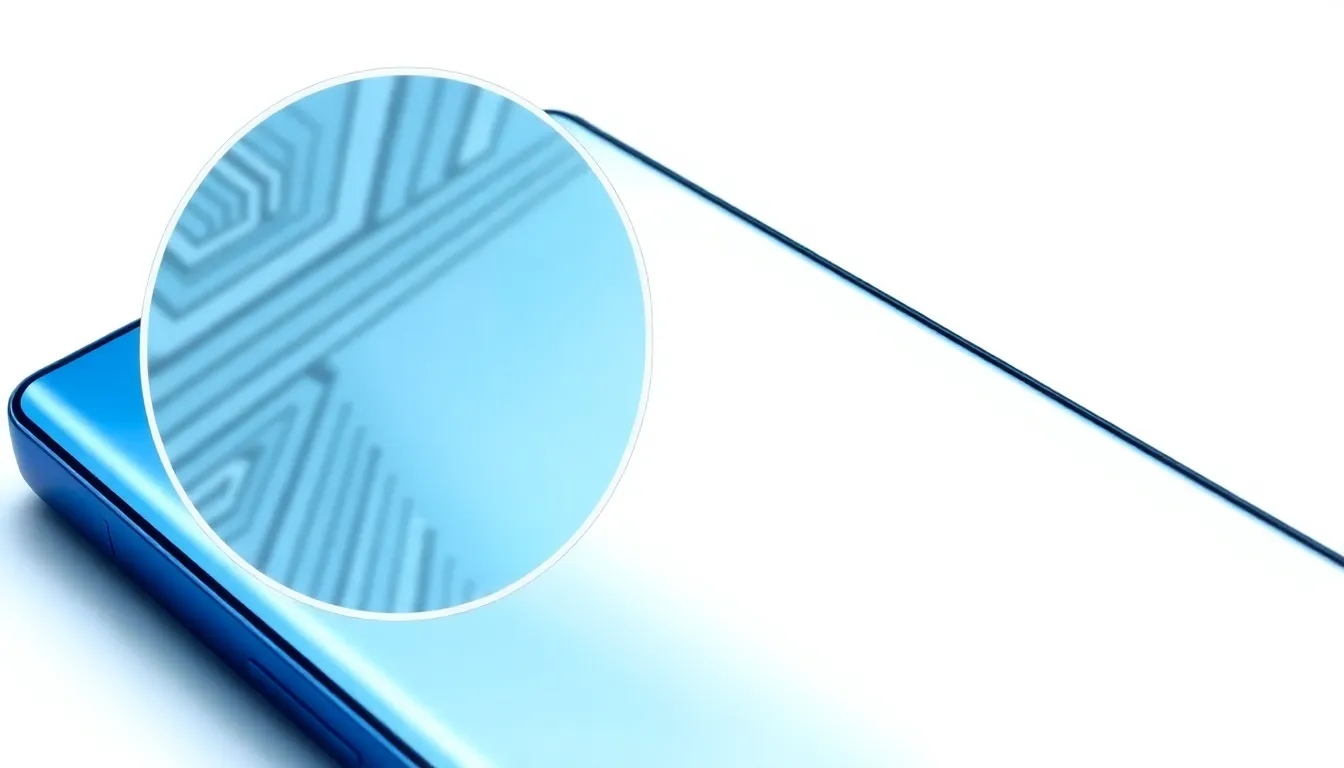
The Privacy Display operates through a hardware-based filter that divides the OLED panel's pixels into two distinct groups: Narrow Pixels and Wide Pixels. The Narrow Pixels emit light directly forward, while the Wide Pixels distribute light at wider angles. Analysis suggests the Narrow Pixels are physically modified with taller structures around them, limiting their visibility from oblique angles.
When the Privacy Display is activated via a software toggle, the Wide Pixels' brightness is significantly reduced—potentially turned off entirely under microscopic examination. This selective dimming creates the privacy effect, as only the forward-facing Narrow Pixels remain clearly visible to the primary user.
Impact on Display Performance
Enabling the Privacy Display has measurable effects on screen performance. Maximum brightness is approximately halved across all scenarios, dropping from peak levels to around 800 nits. While this reduction is substantial, the remaining brightness on Samsung's DX anti-reflective screen proves sufficient for outdoor visibility even on sunny days.
Pixel density also decreases when the feature is active, as microscopic images reveal fewer illuminated pixels. Comparative analysis with previous-generation displays shows the S26 Ultra's panel undergoes this transformation dynamically when privacy mode is engaged.
Practical Considerations and User Experience
The technology represents a trade-off between privacy and display quality. Users gain effective protection against shoulder surfing in public settings, but must accept reduced brightness and pixel density during use. The implementation appears optimized for situations where privacy outweighs visual fidelity, such as during financial transactions or confidential communications.
Early observations indicate the feature works as advertised, making screen content virtually invisible from angles beyond approximately 30 degrees. The transition between normal and privacy modes is instantaneous, allowing users to toggle based on their immediate environment.
Conclusion
The Galaxy S26 Ultra's Privacy Display demonstrates an innovative hardware-software approach to screen privacy. By physically modifying pixel structures and dynamically controlling their illumination, Samsung has created a functional zero-peek solution. While the brightness and density compromises are noticeable, they represent a calculated exchange for enhanced privacy protection. As mobile security concerns grow, such implementations may become increasingly standard in premium devices.