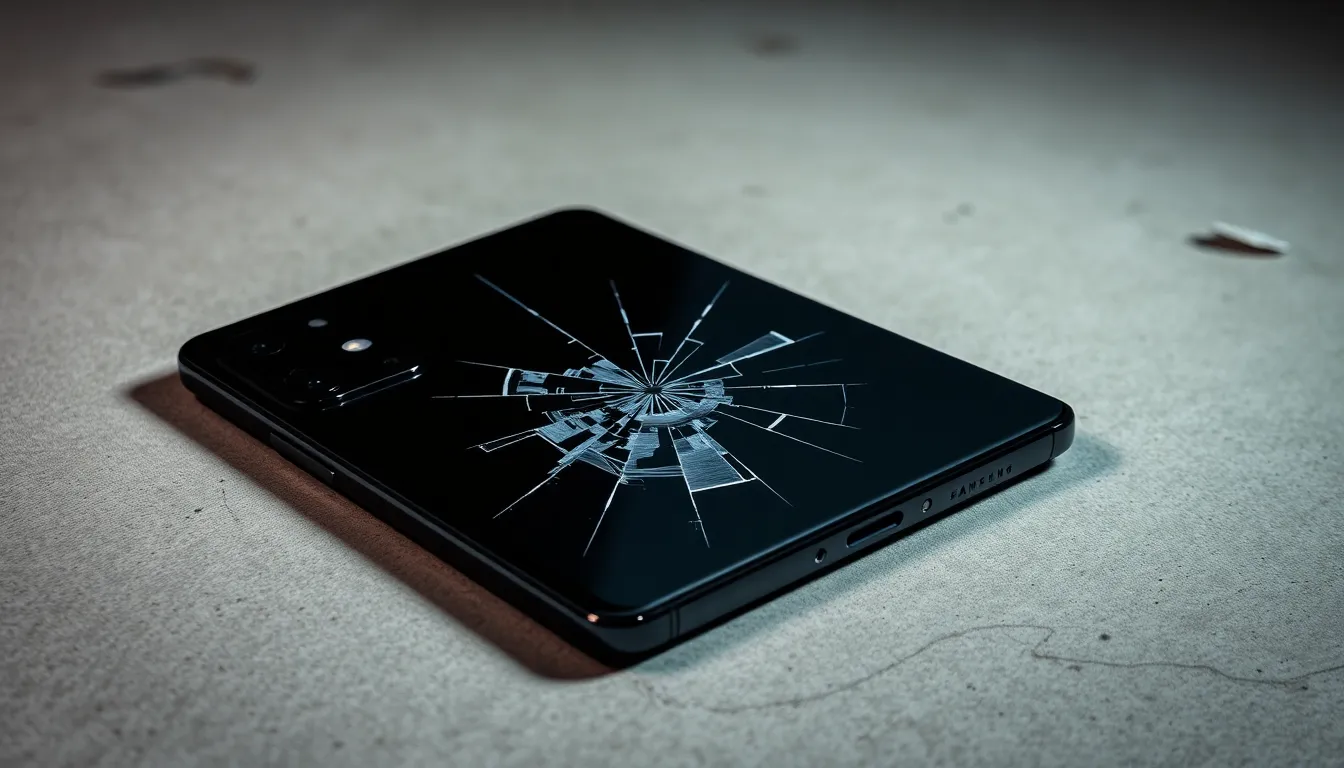
Samsung Galaxy S26 Ultra Takes Some Damage But Still Survives Drop Test
The Samsung Galaxy S26 Ultra has undergone rigorous drop testing, revealing how its new aluminum frame and design changes impact durability compared to previous models. While the device sustains some cosmetic and functional damage, it remains operational throughout the assessment.
Design Changes and Initial Impact
The Galaxy S26 Ultra features several notable design alterations from its predecessor, including a switch from a titanium frame to aluminum, more rounded corners, and a more exposed camera island. The device retains Corning Gorilla Armor 2 protection on its displays and Gorilla Glass Victus 2 on the back panel, identical to the previous generation.
During the first drop test, the aluminum frame shows visible damage at the left corner, though the primary display remains intact. The initial impact demonstrates the frame's vulnerability compared to titanium alternatives but doesn't compromise the phone's core functionality.
Progressive Damage and Camera Vulnerability
Subsequent drops reveal increasing damage, particularly to the camera system. The second drop causes cracking in the glass covering the 5x telephoto lens, while the third drop completely shatters this protective layer. Additional scrapes and dents appear around the frame as testing continues.
Despite this progressive damage, the Galaxy S26 Ultra maintains full operational capability. All functions, including display responsiveness, camera operation (though with compromised lens protection), and connectivity features continue working normally.
Internal Examination and Repairability
A teardown examination reveals internal similarities to the previous model, with some thermal management improvements. Additional thermal paste appears around the motherboard area, and the vapor chamber has been redesigned with a slightly altered shape while maintaining similar dimensions.
The device earns a 9/10 repairability score, matching the Galaxy S25 Ultra's rating. The disassembly process follows similar procedures to previous models, suggesting technicians familiar with Samsung's flagship designs will find the S26 Ultra equally serviceable.
Comparative Durability Assessment
Overall, the Galaxy S26 Ultra shows slightly reduced drop resistance compared to its titanium-framed predecessor. The aluminum frame demonstrates more visible damage from equivalent impacts, and the camera lens protection proves particularly vulnerable in the new design configuration.
However, the device's core durability remains strong, with the display protection holding up well and internal components surviving impacts without functional compromise. The combination of Gorilla Armor 2 and Victus 2 glass continues to provide reliable protection for the most critical components.
Conclusion
The Samsung Galaxy S26 Ultra demonstrates respectable durability despite material changes that might suggest reduced robustness. While the switch to aluminum results in more visible frame damage and the camera lens proves vulnerable, the device survives multiple drops while maintaining full functionality. The 9/10 repairability score and thermal management improvements further support the device's overall build quality, making it a durable option for users who prioritize both performance and serviceability in their flagship smartphones.